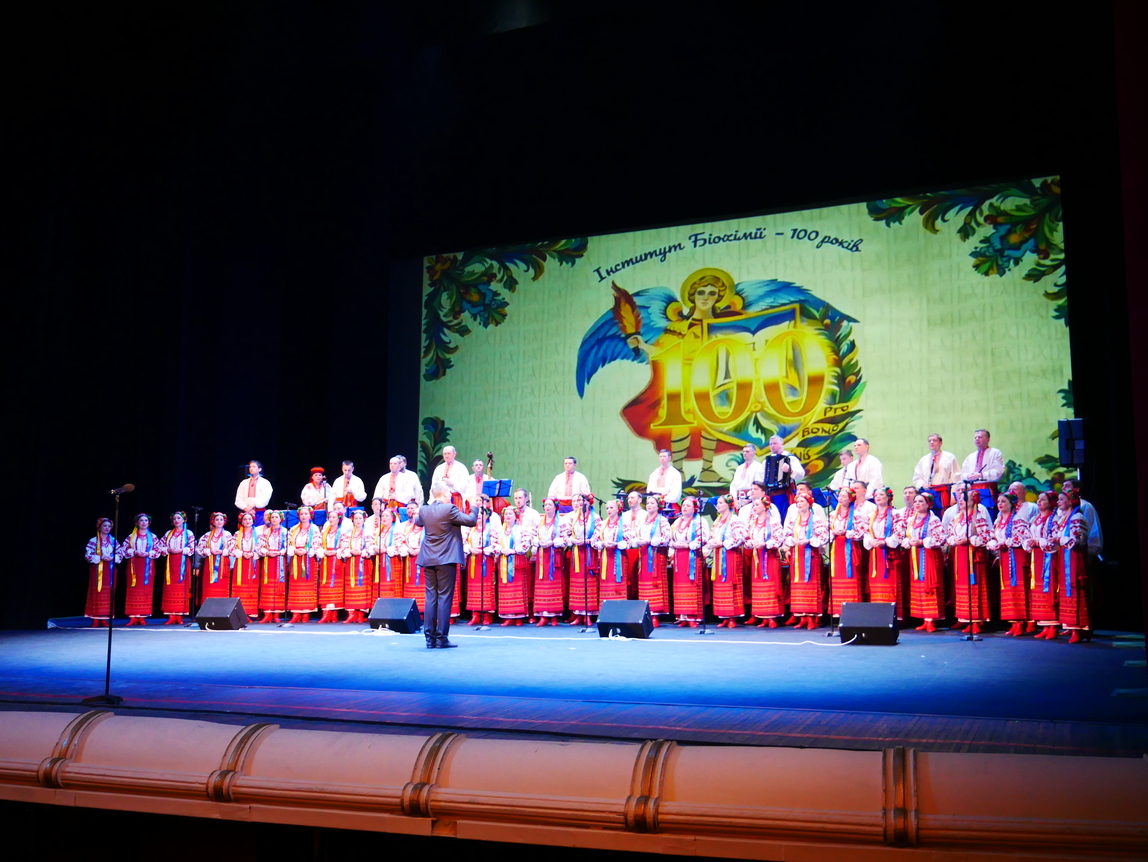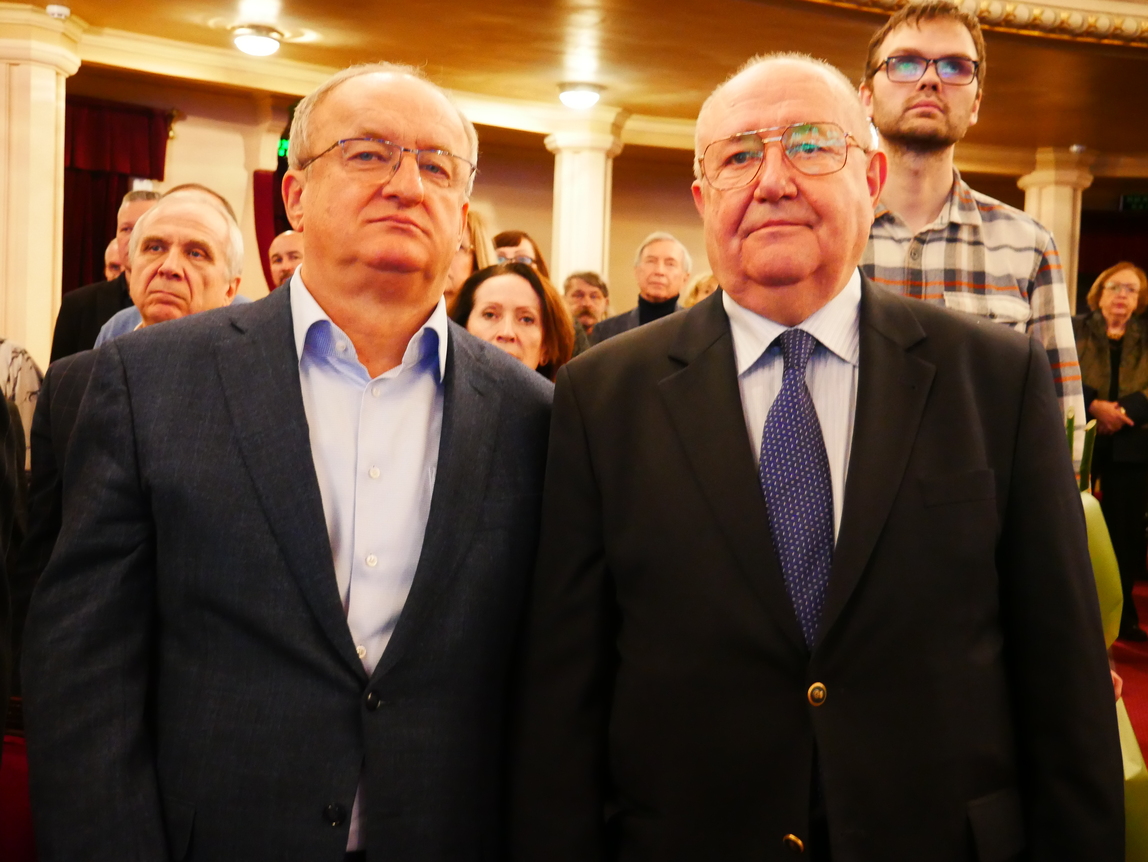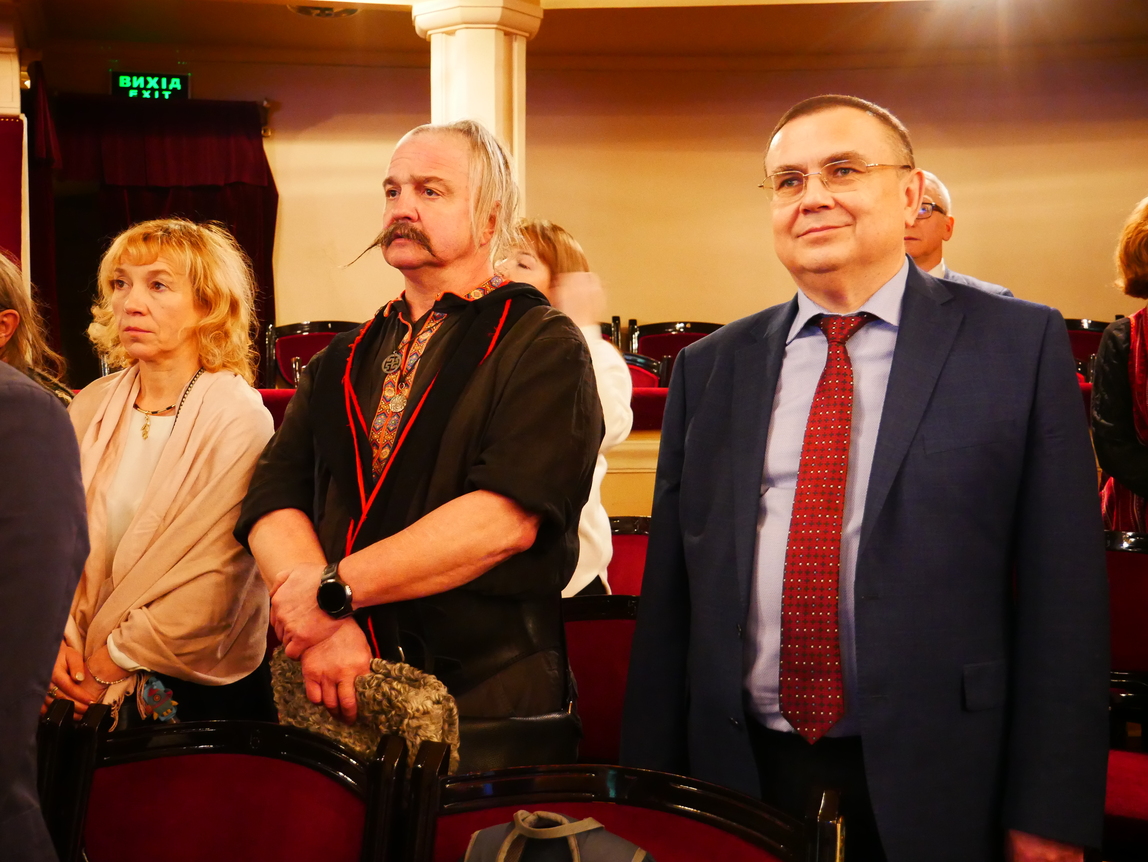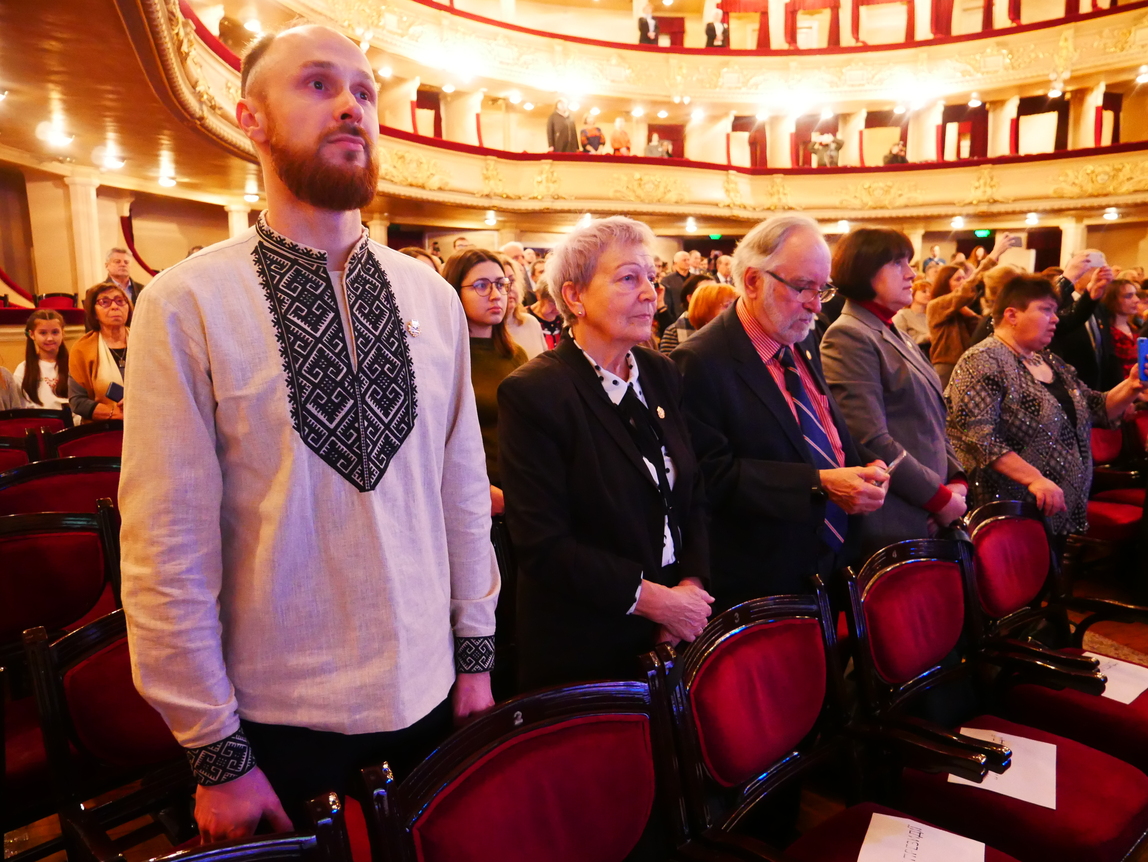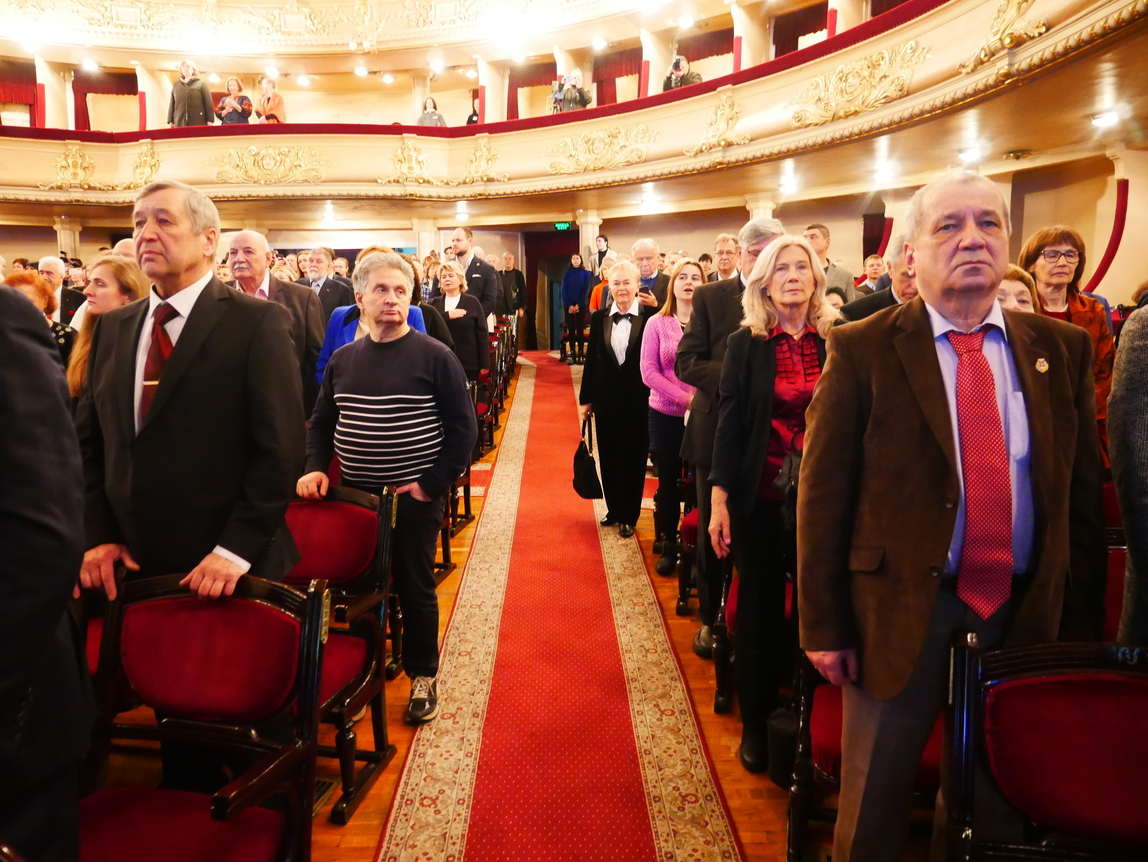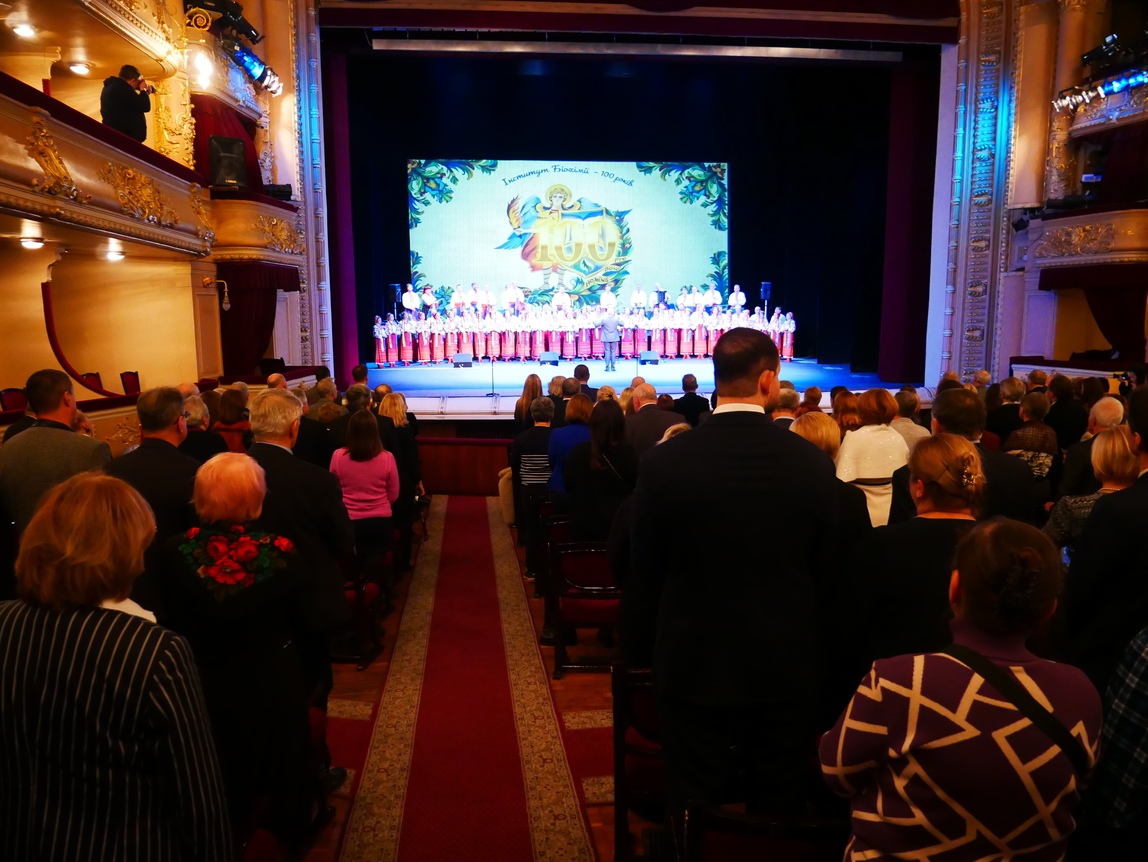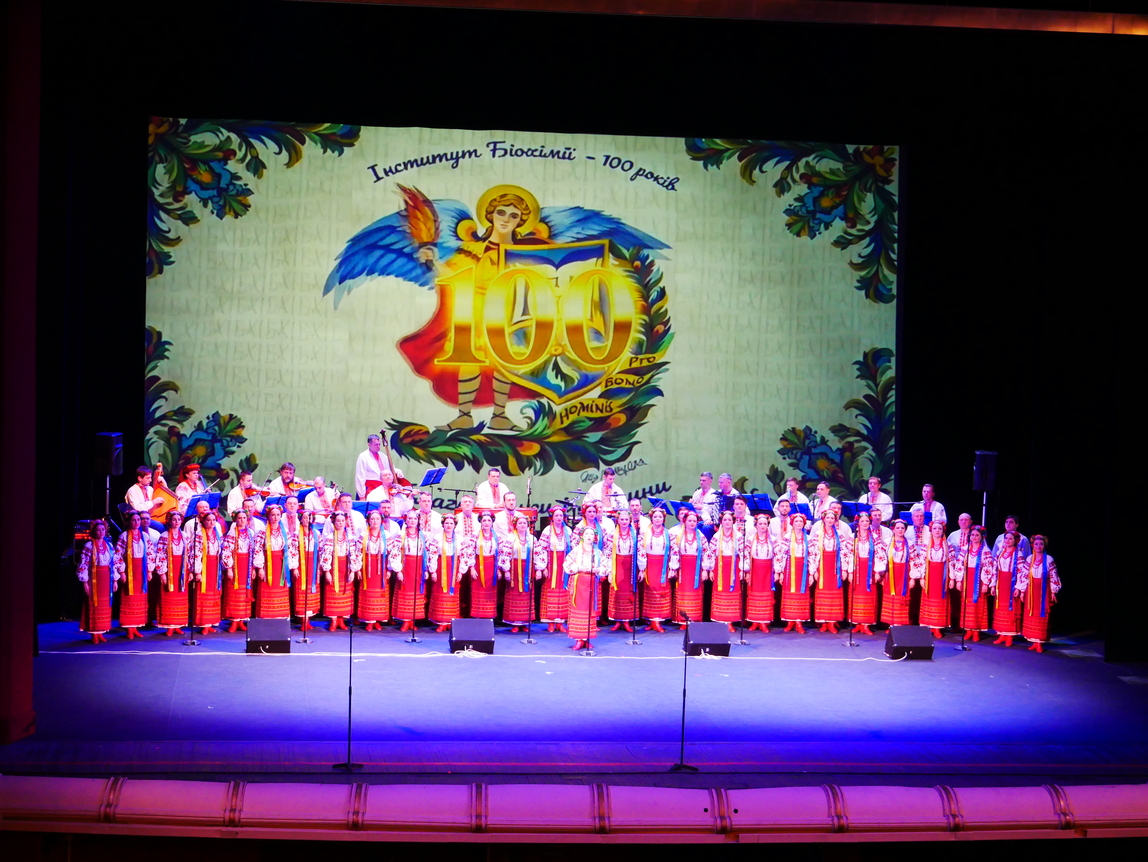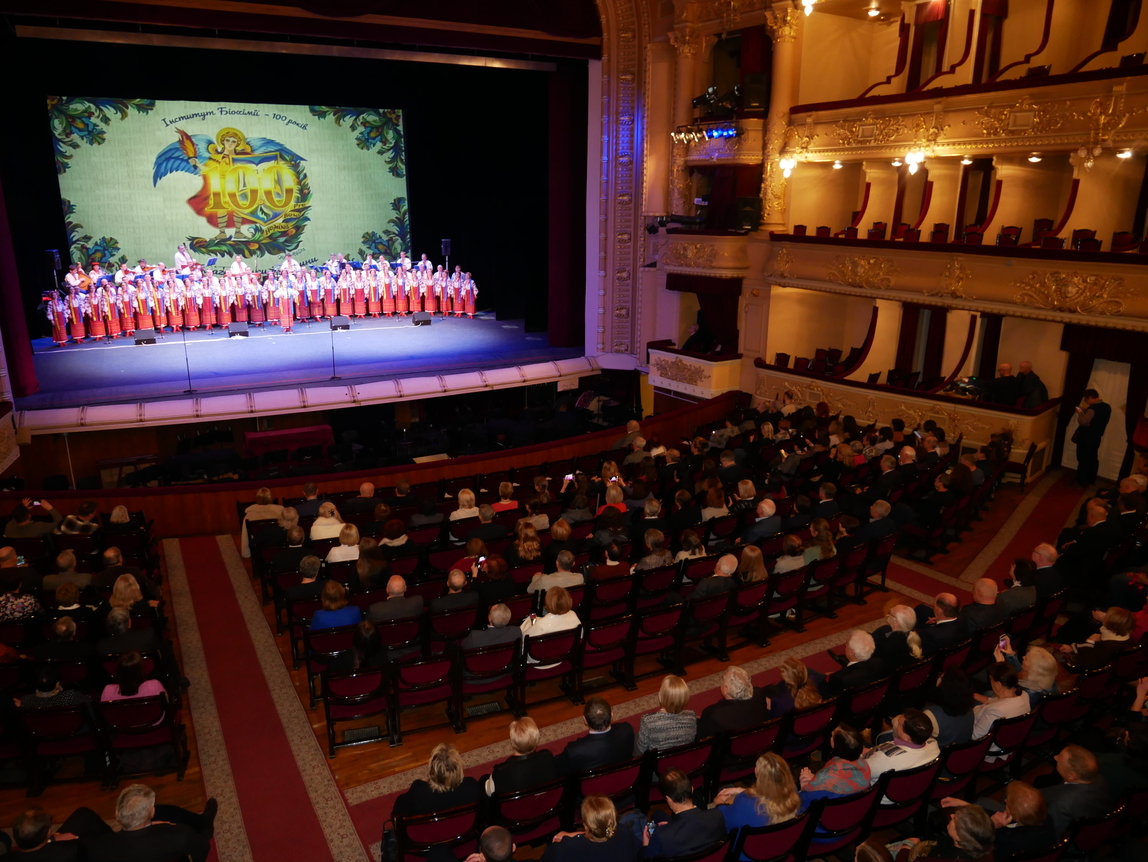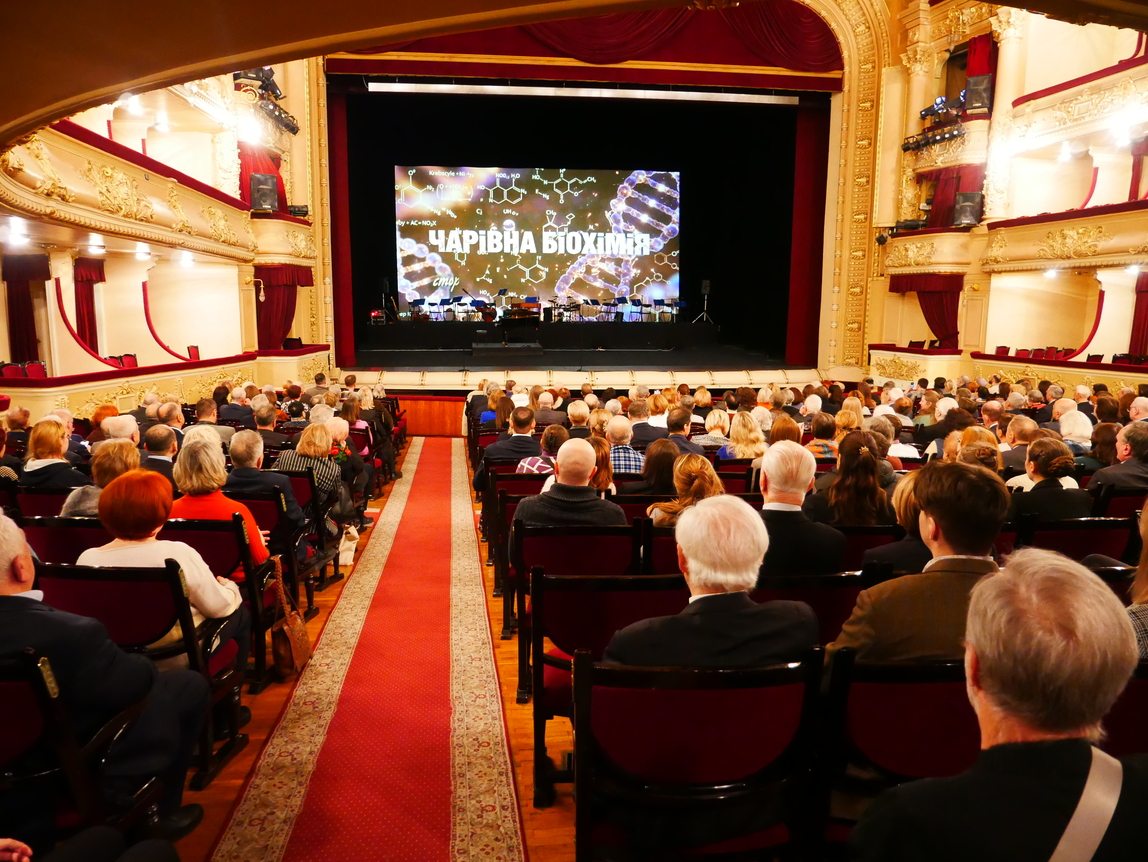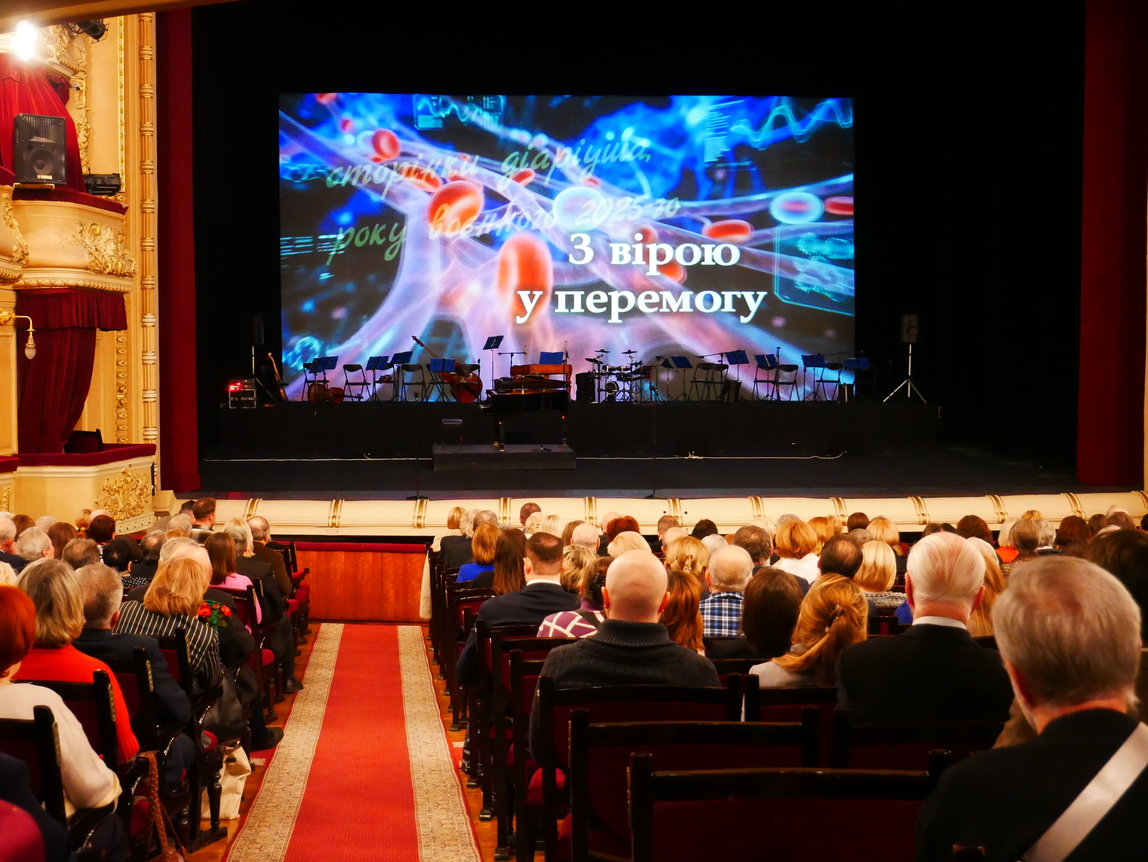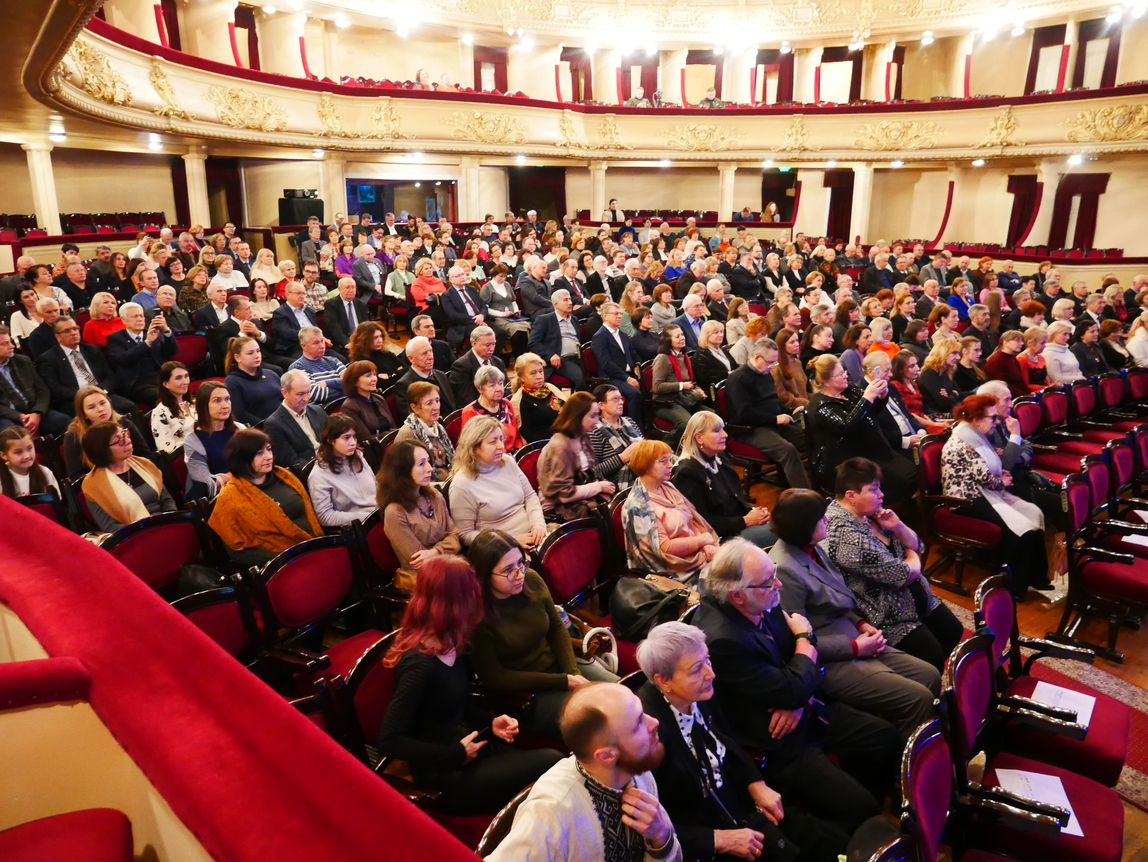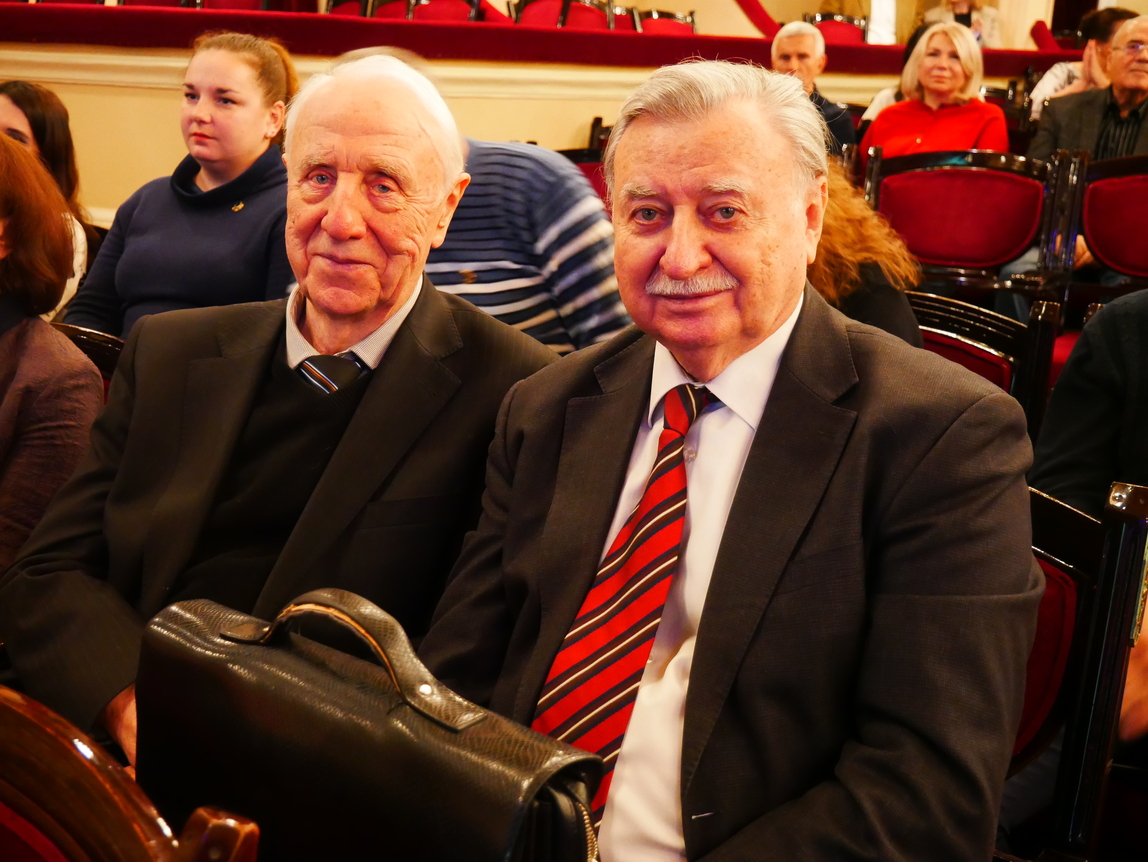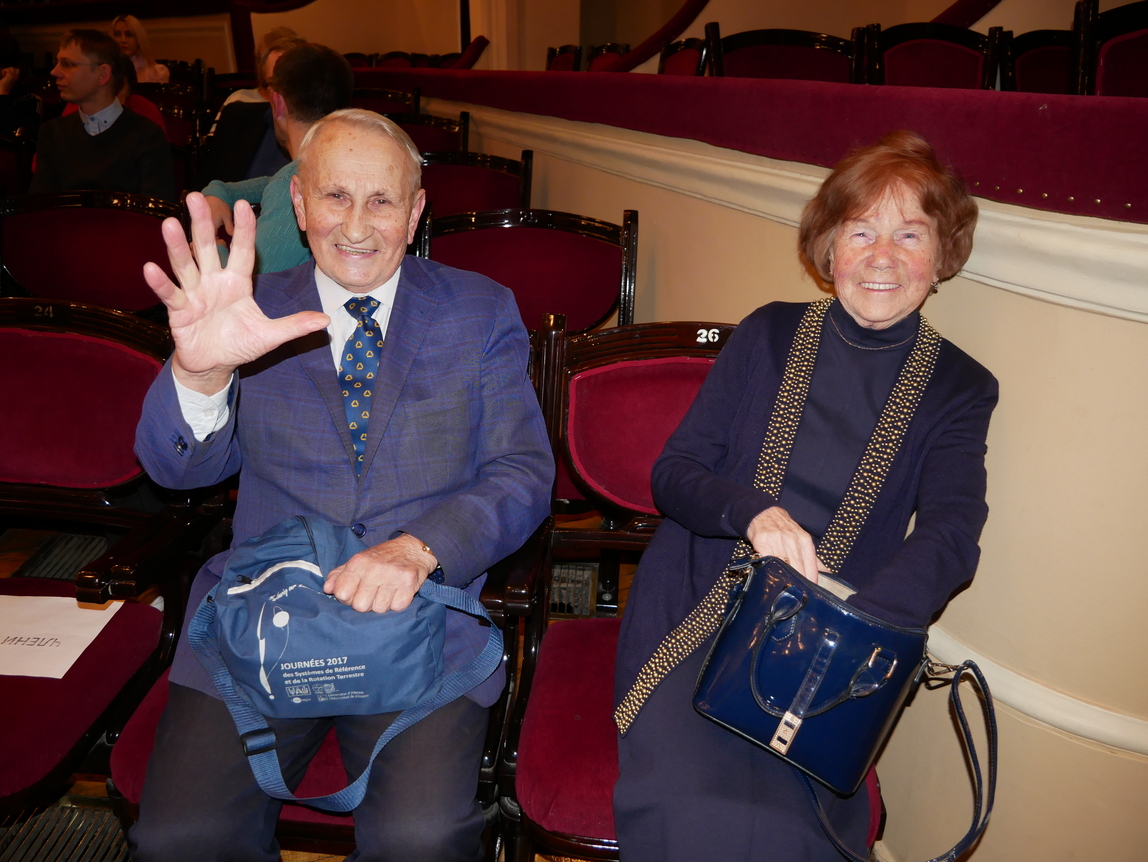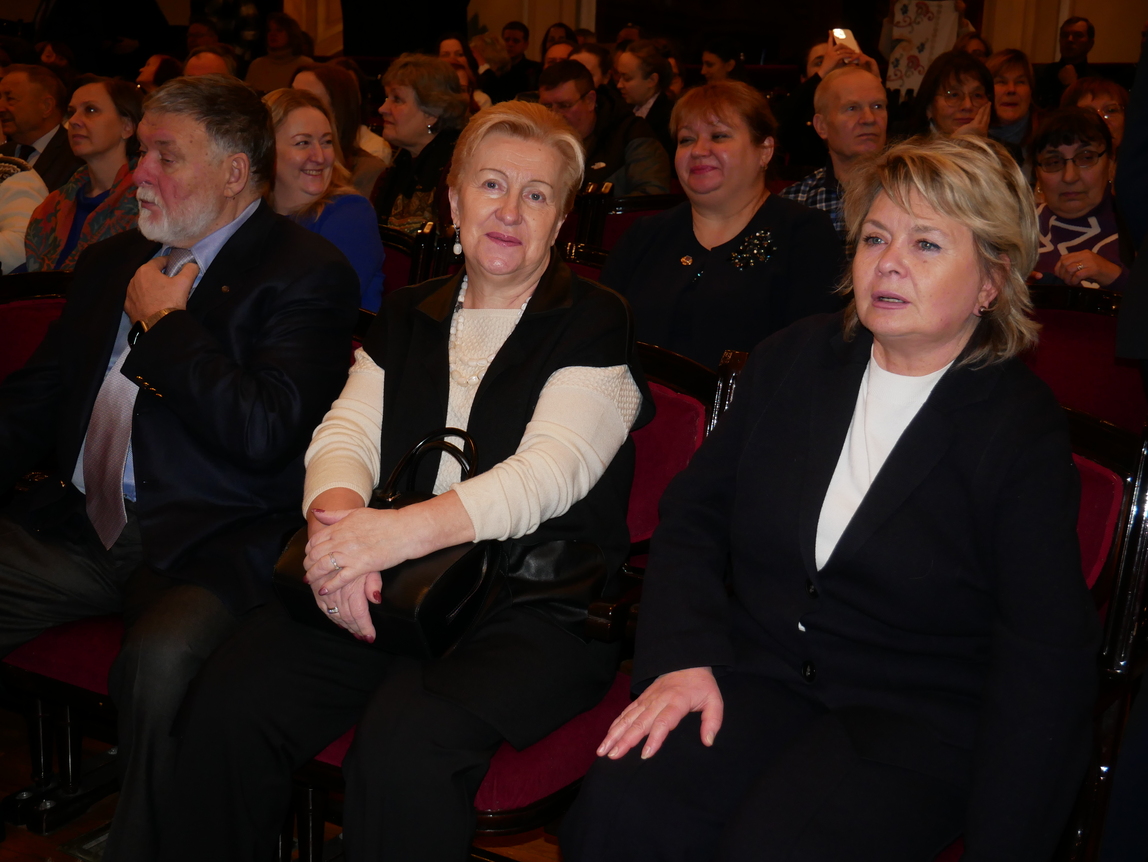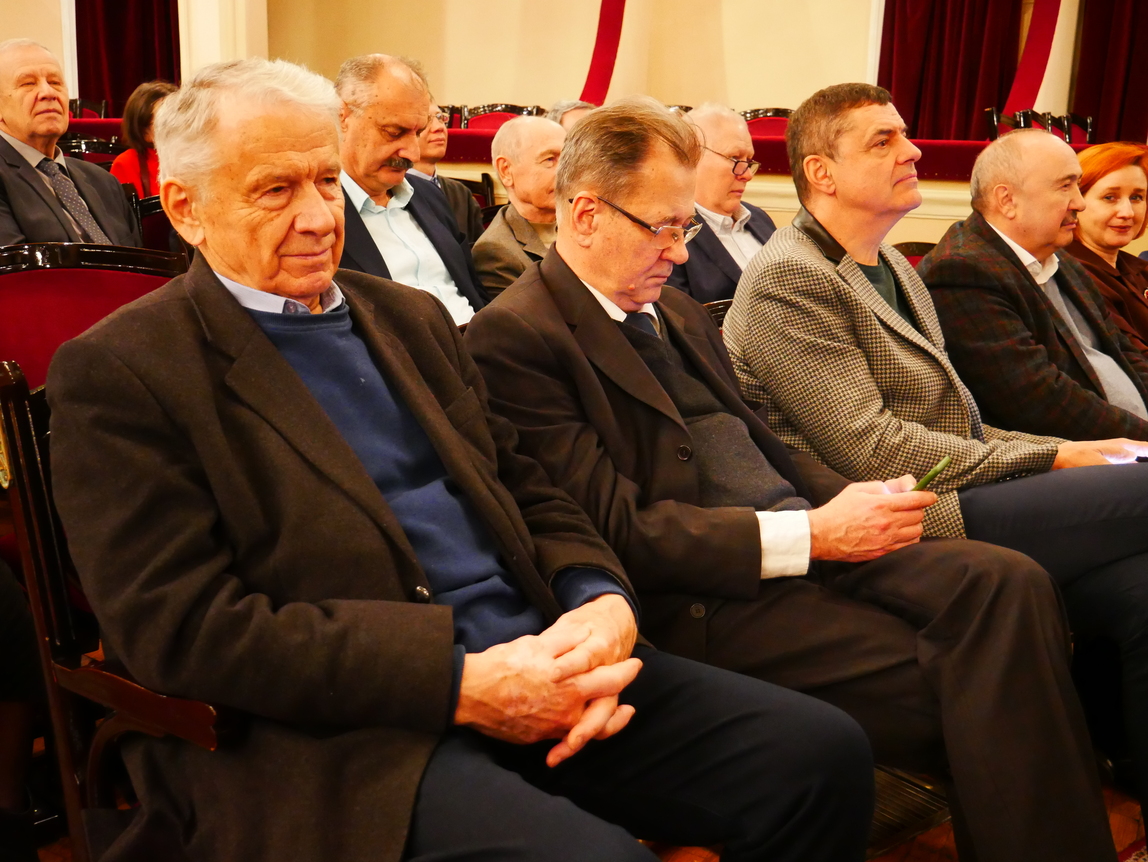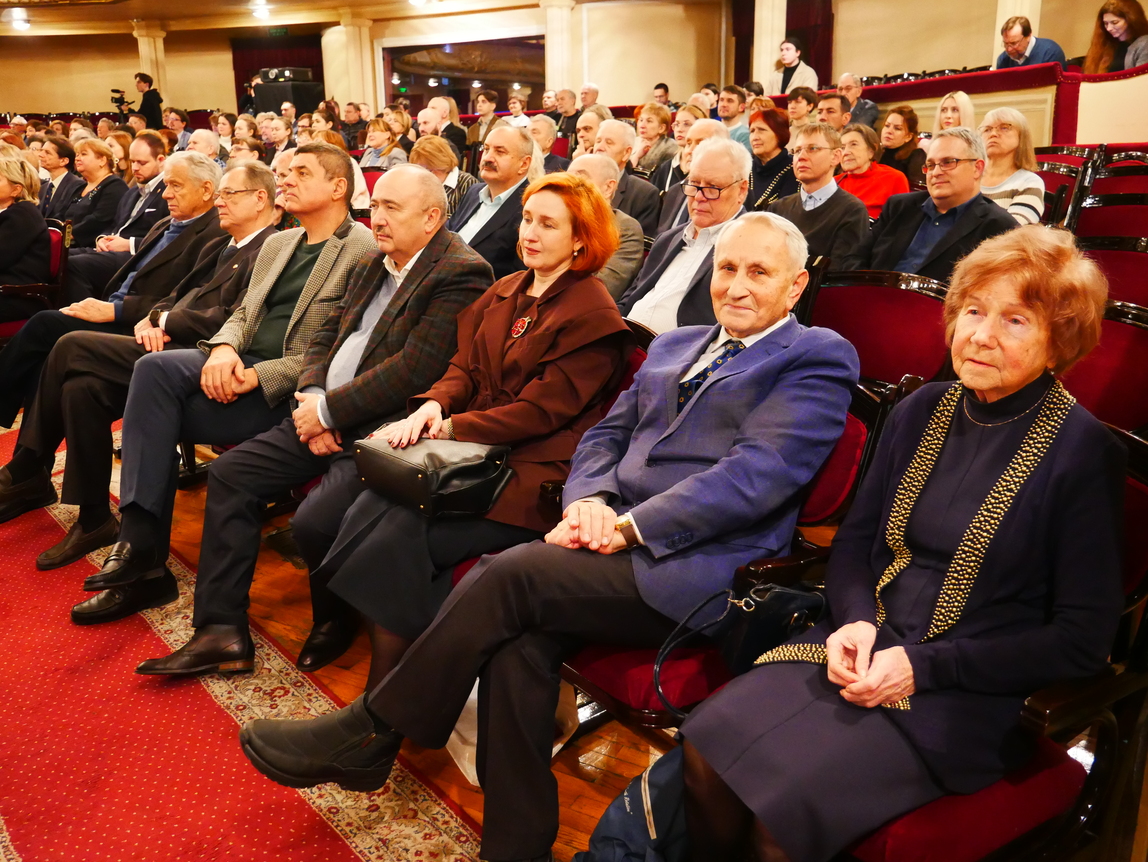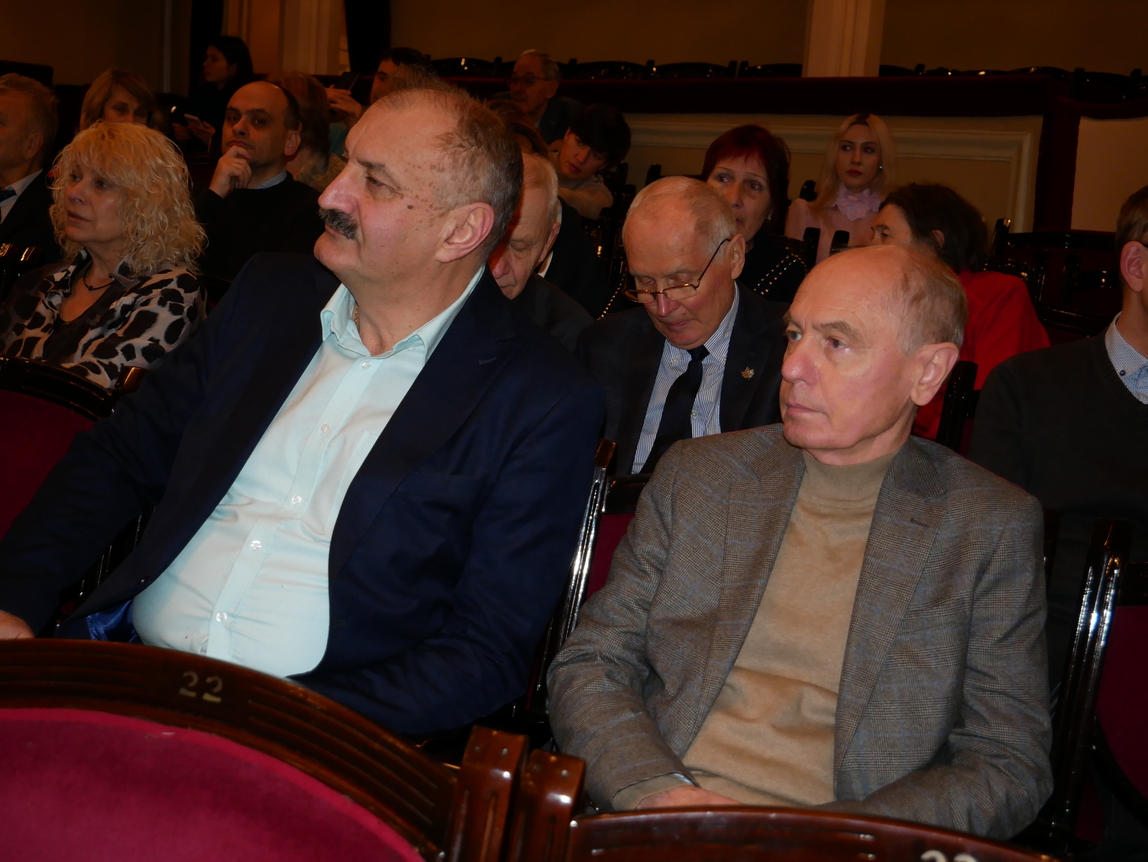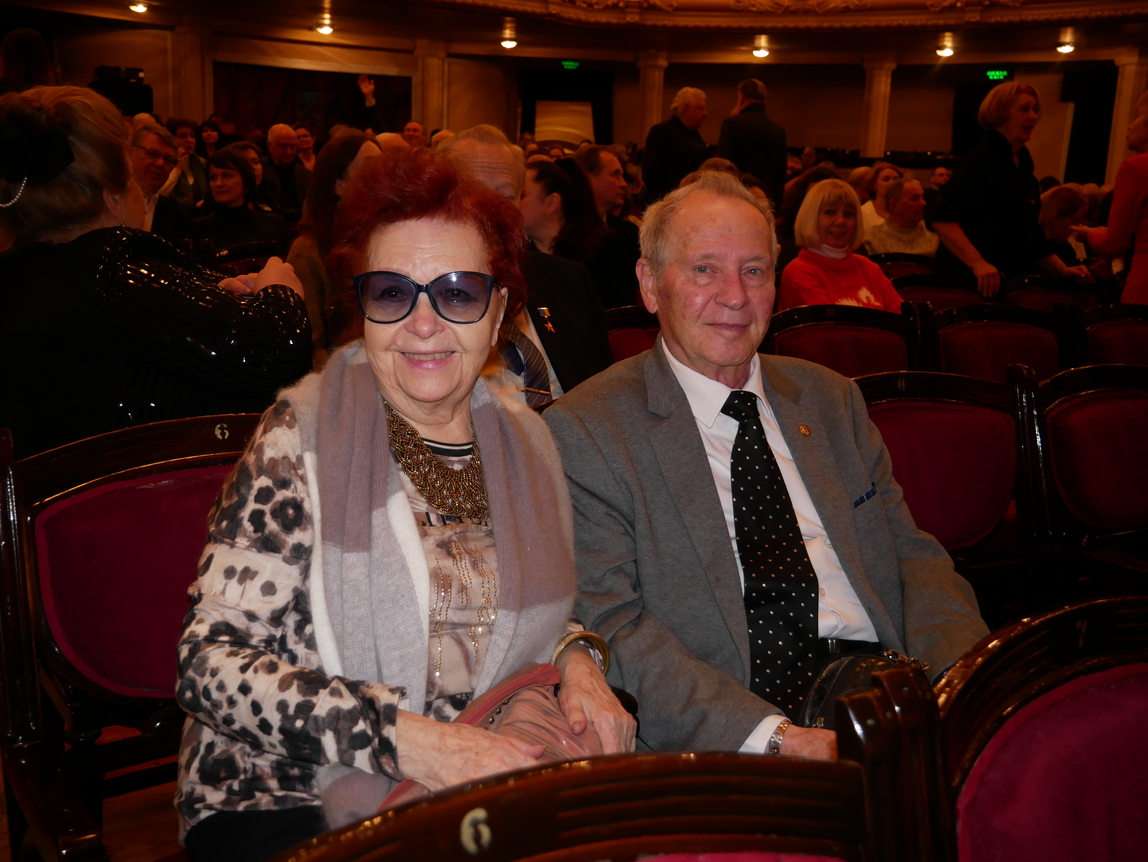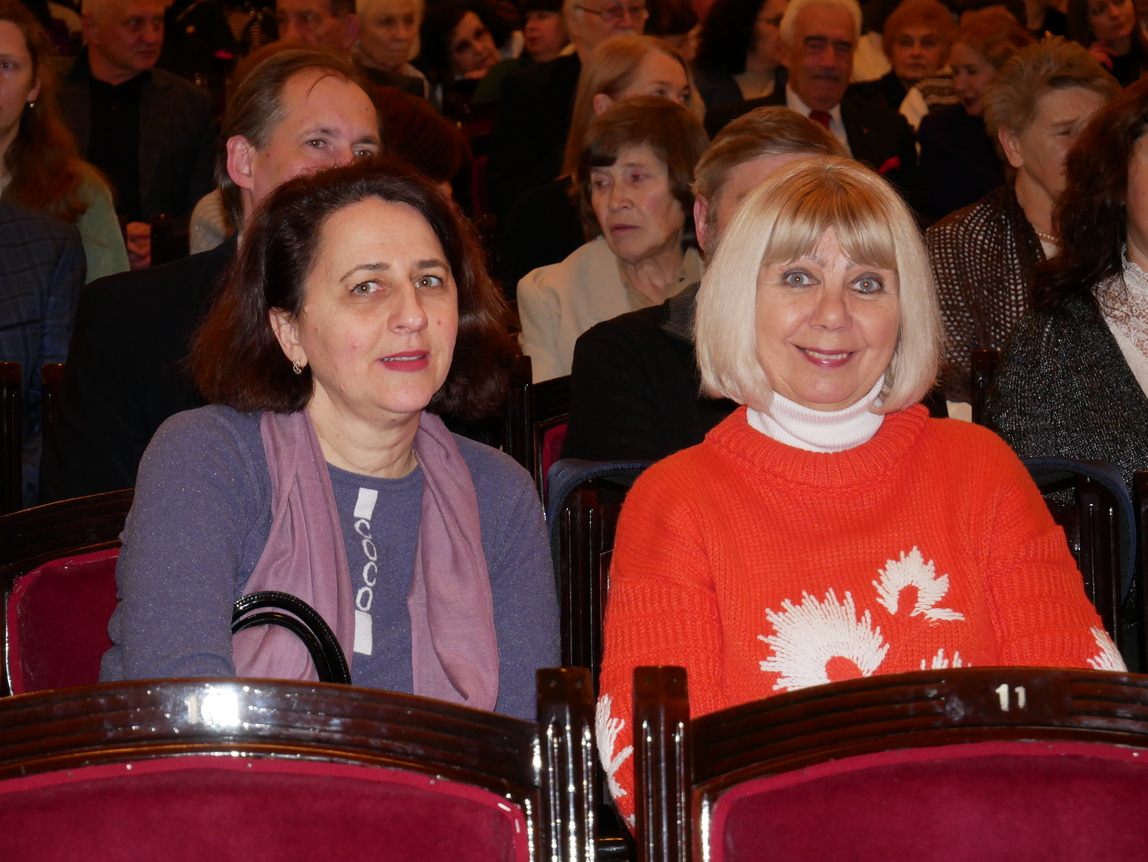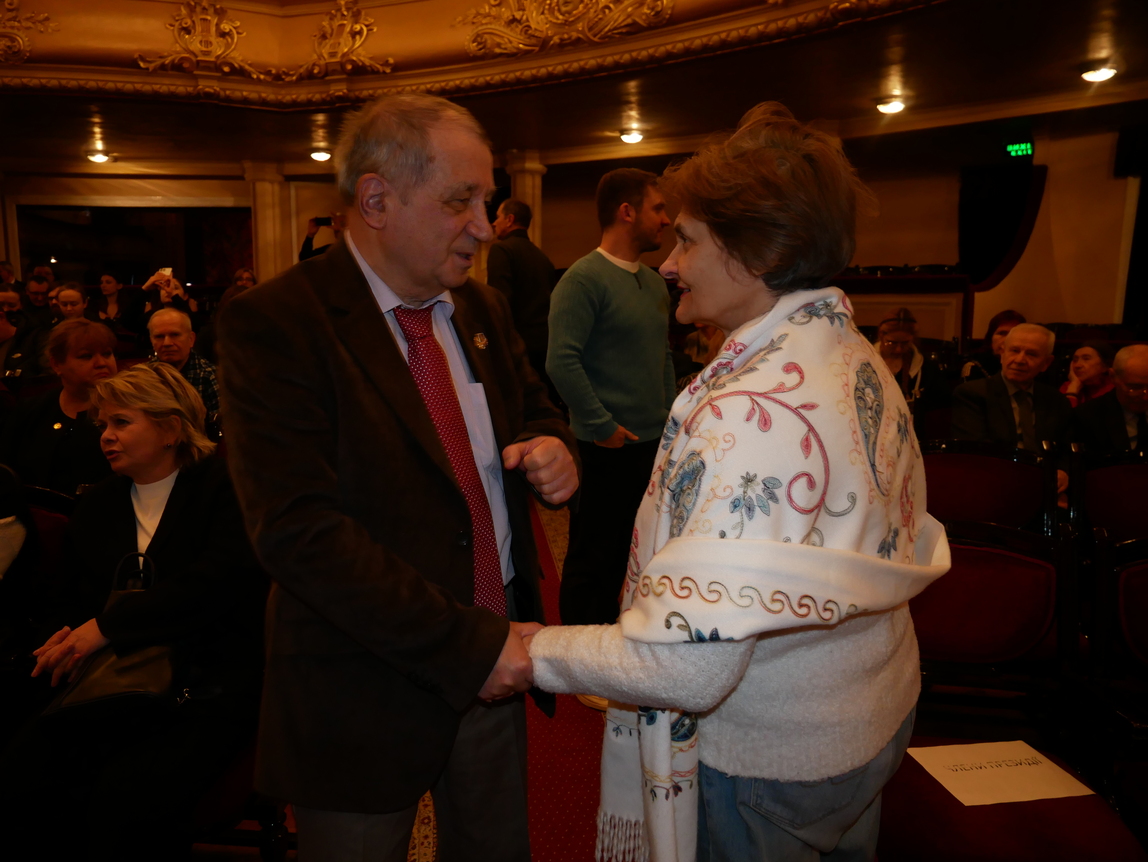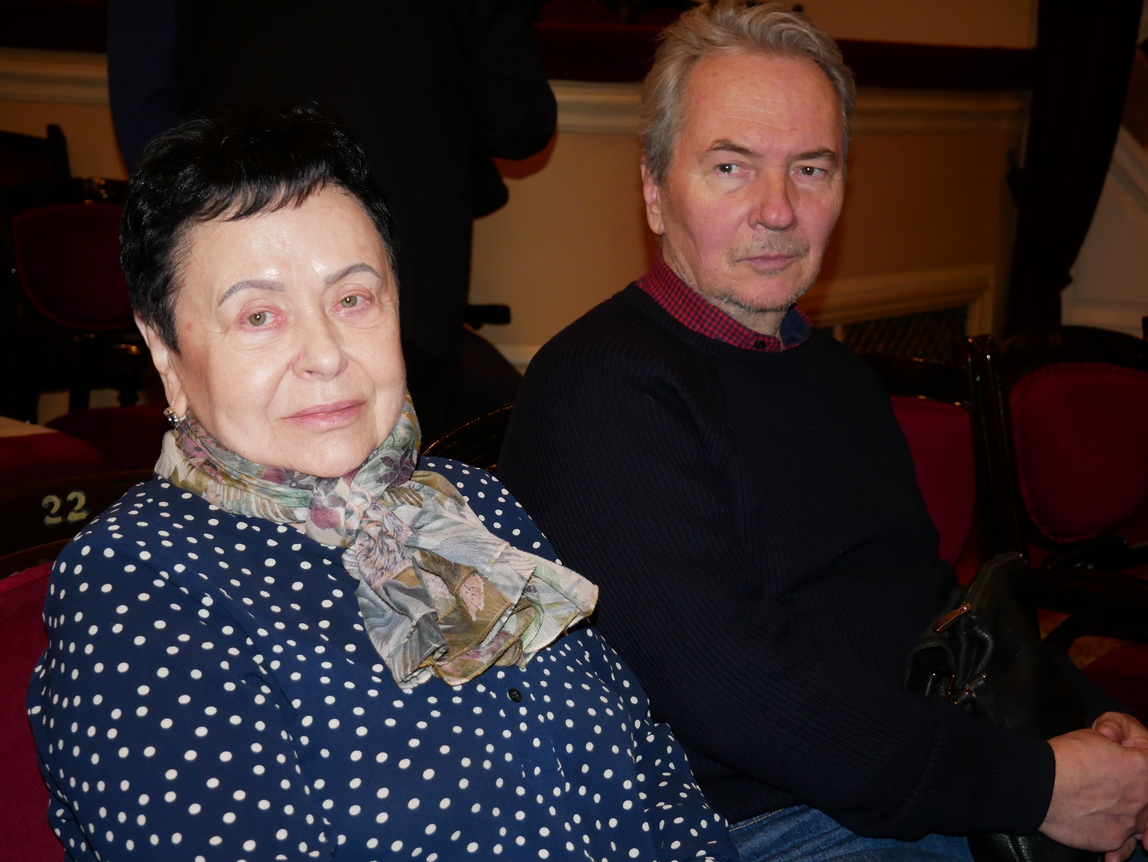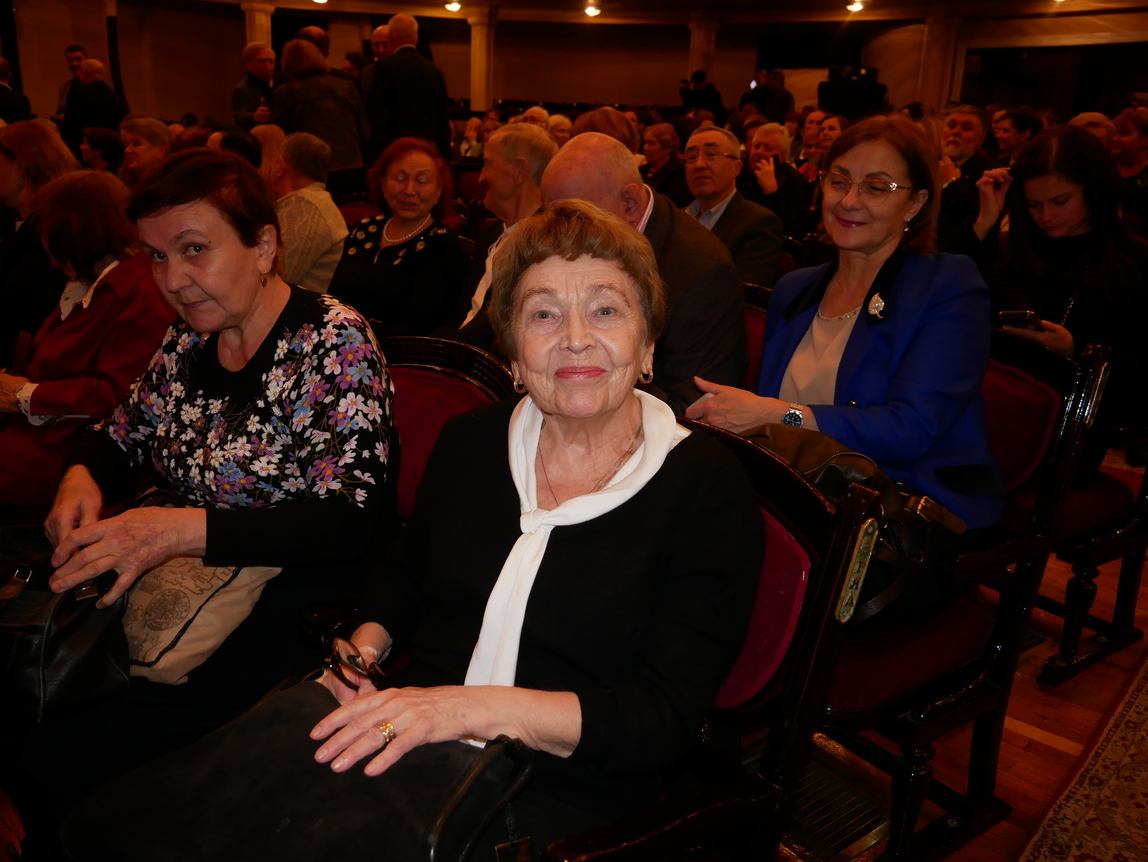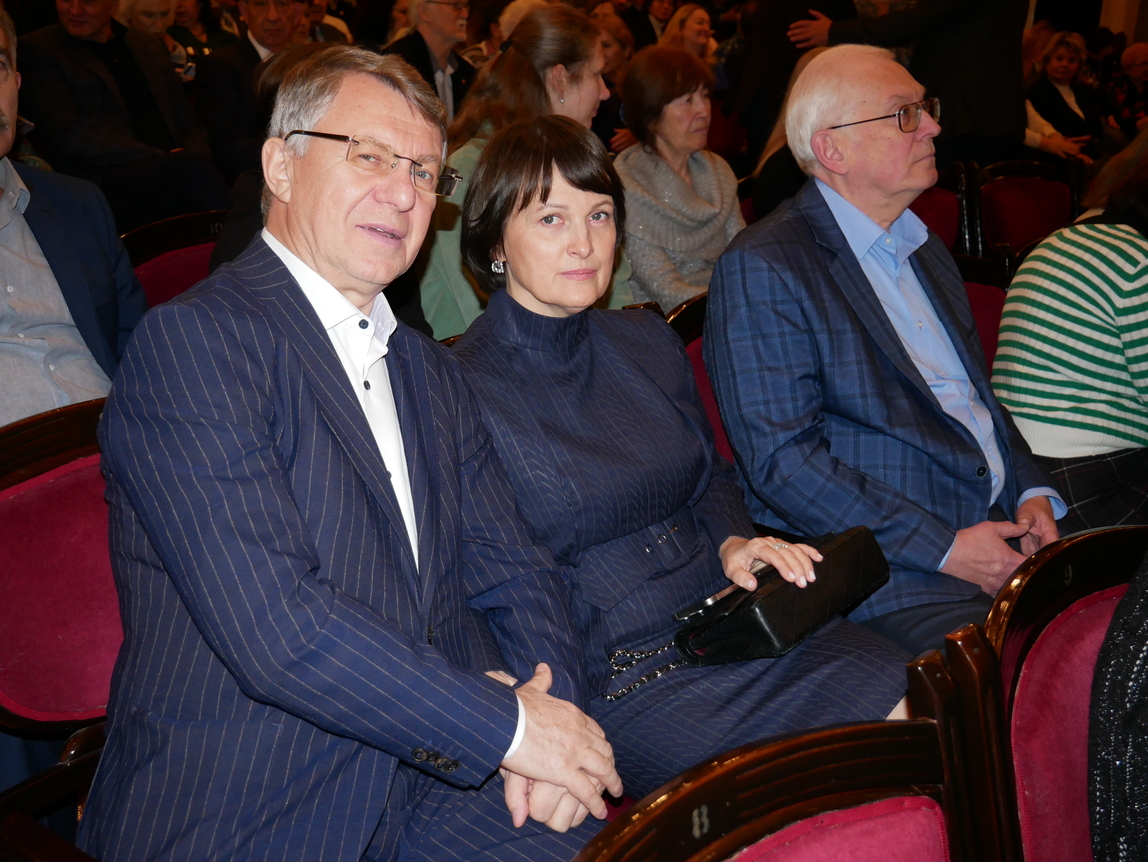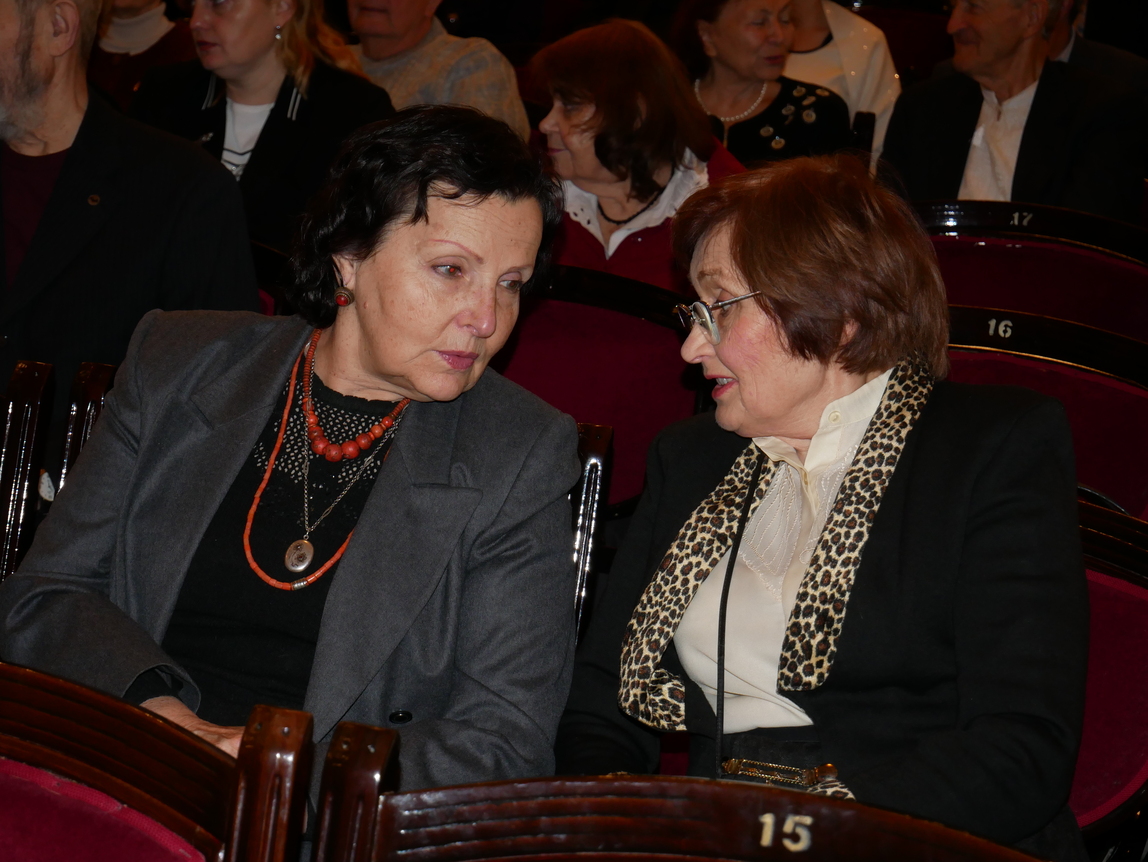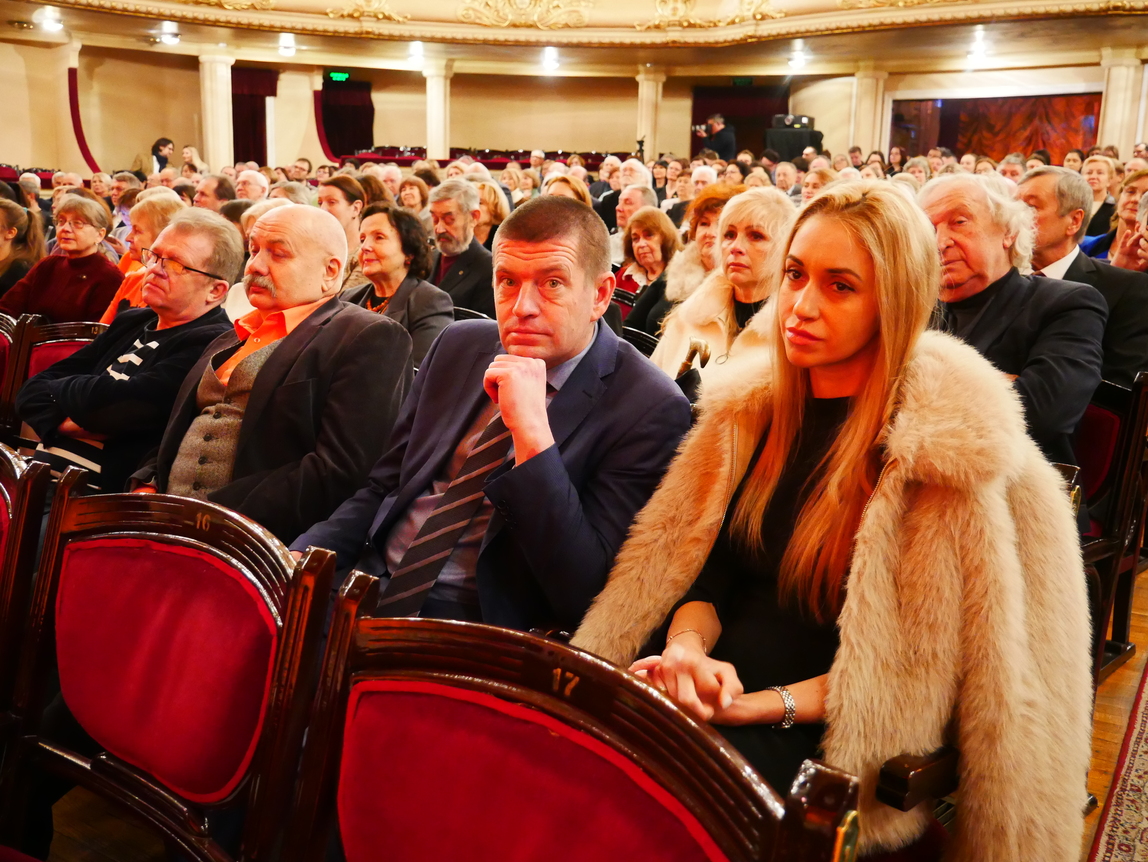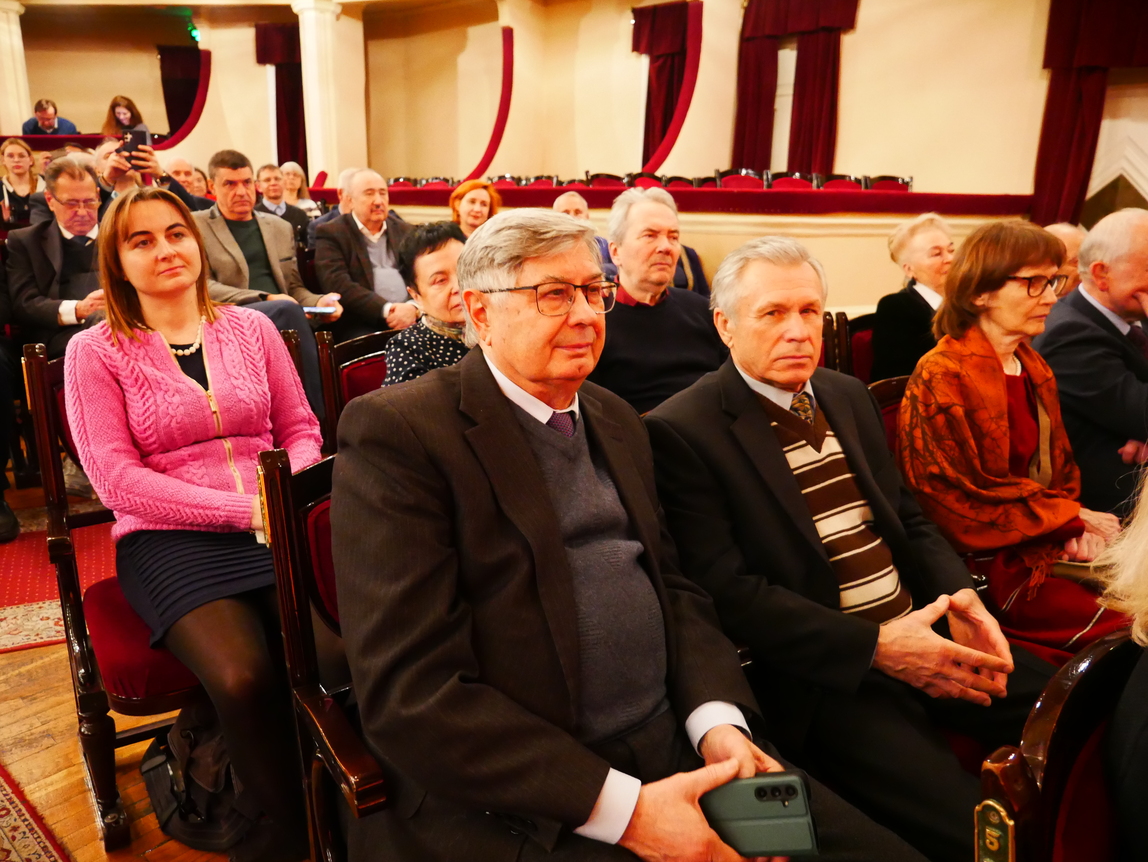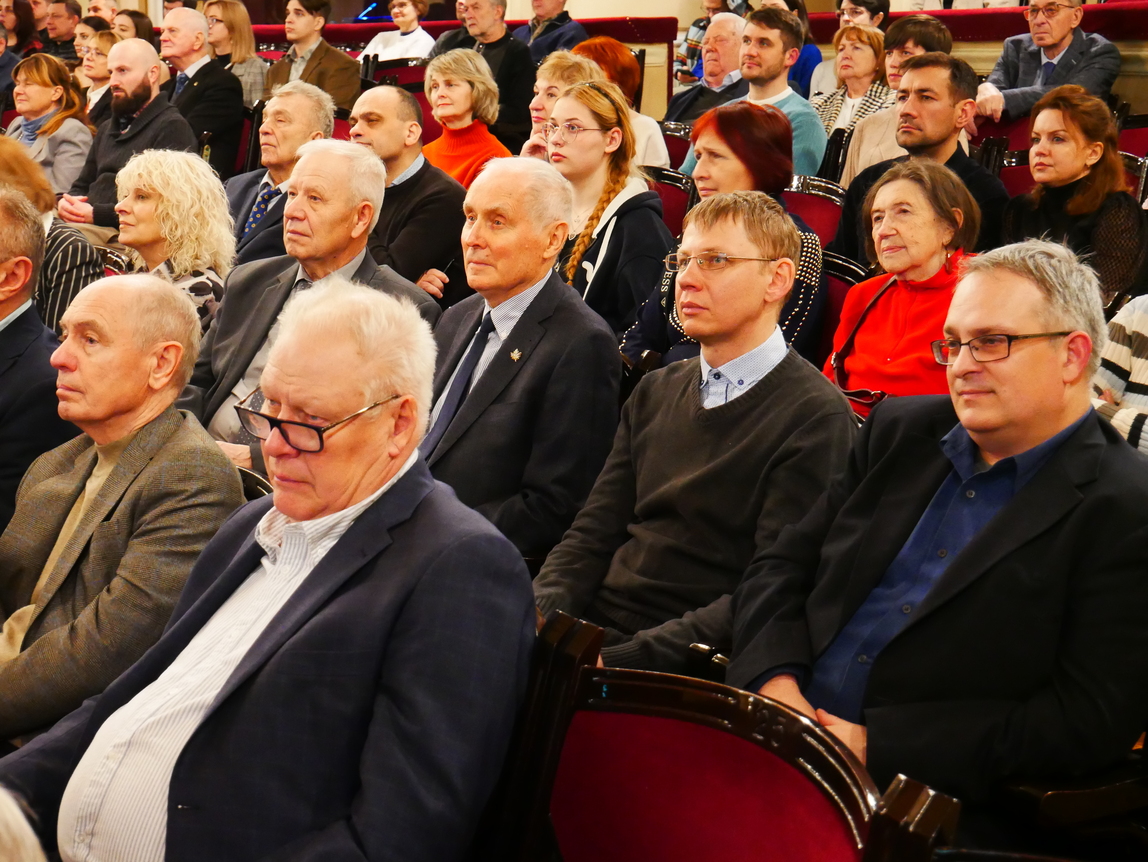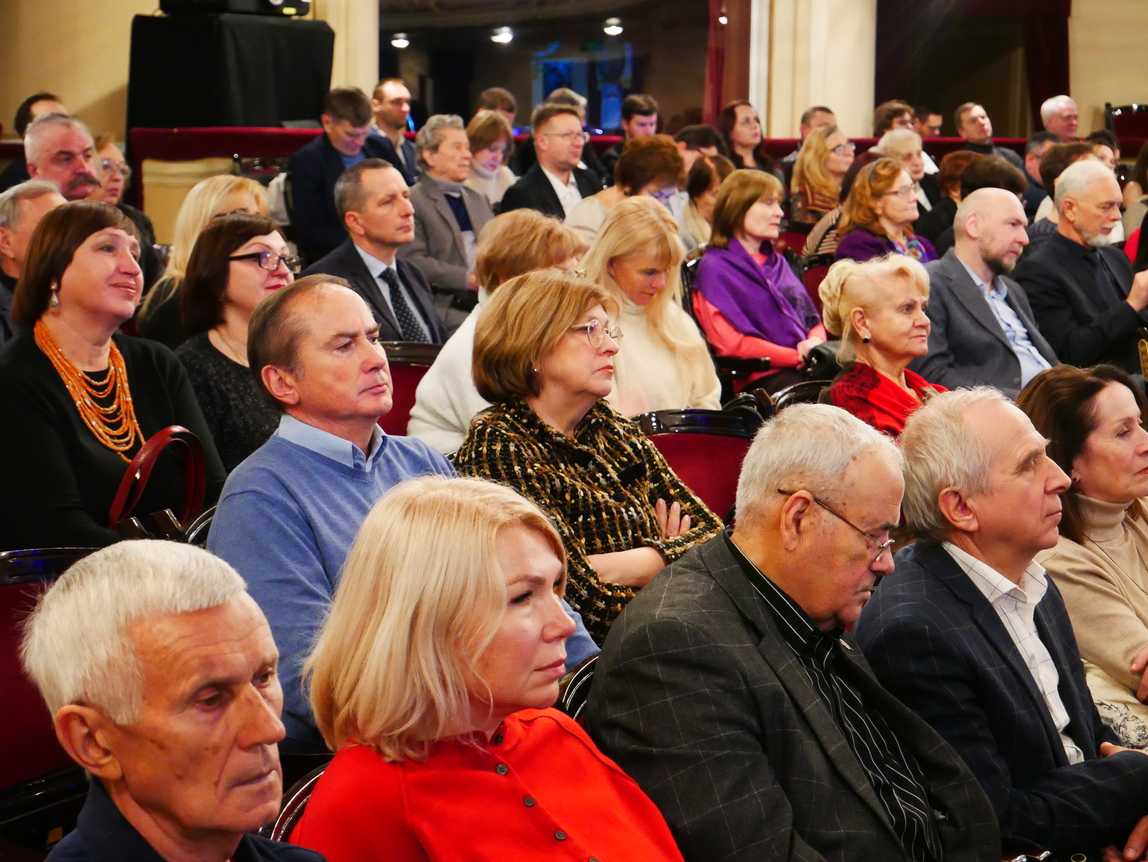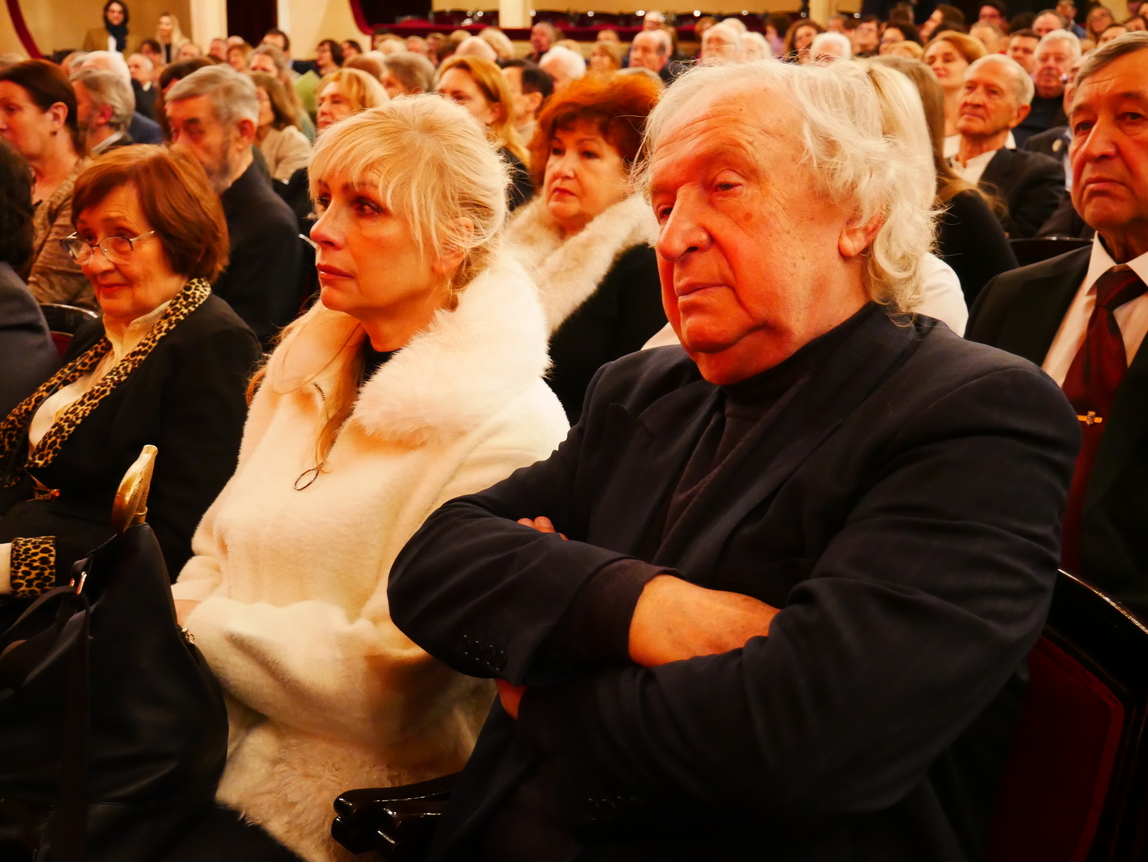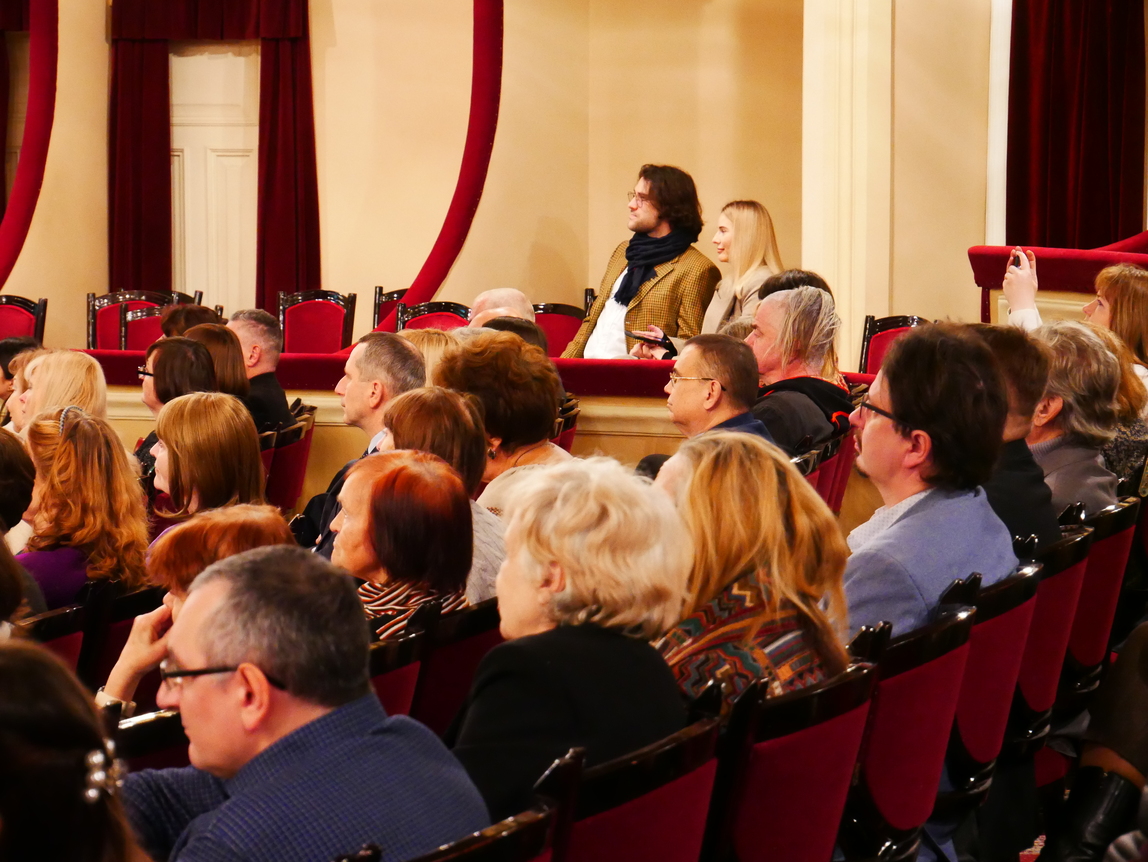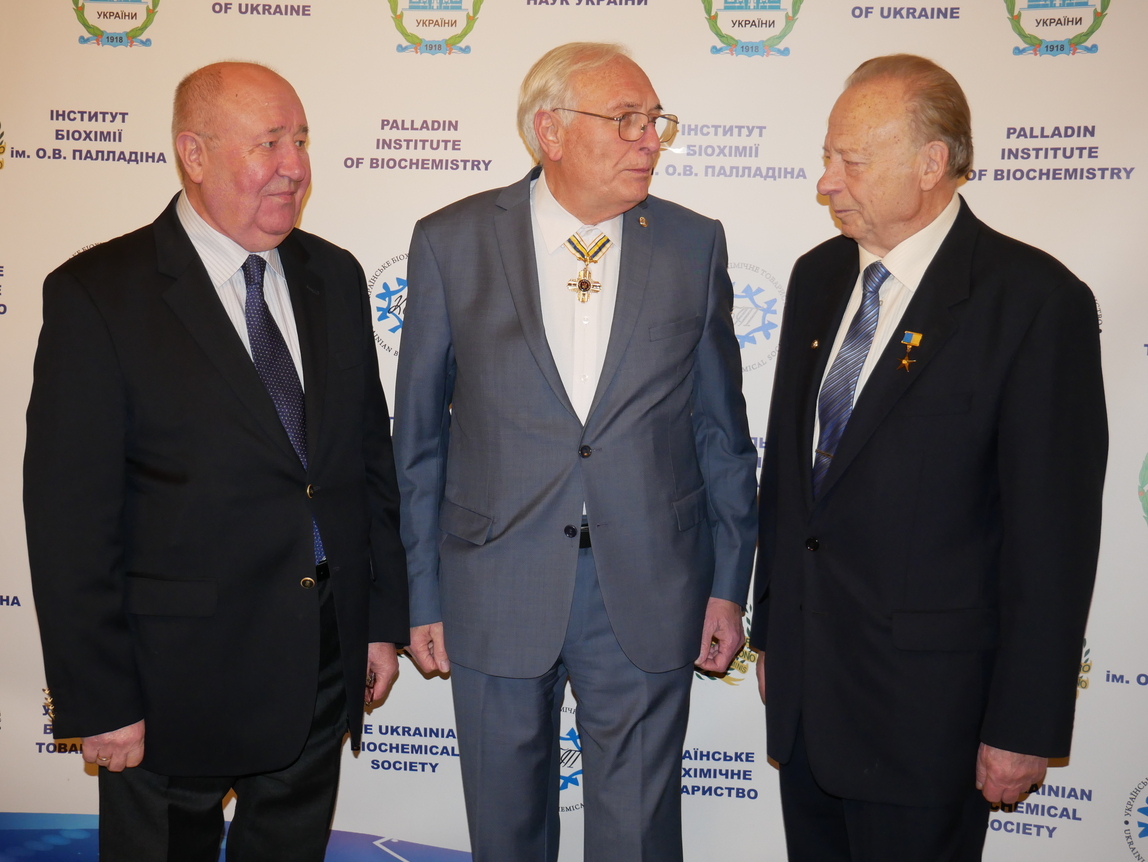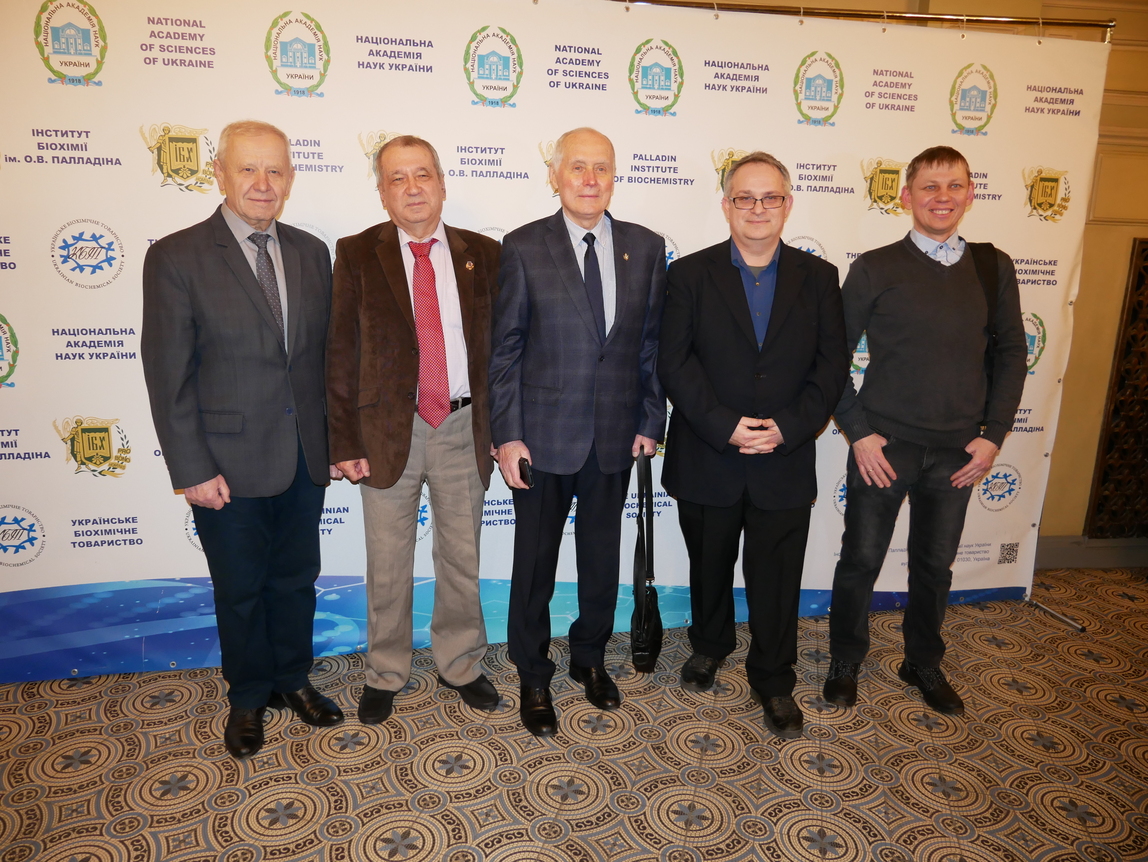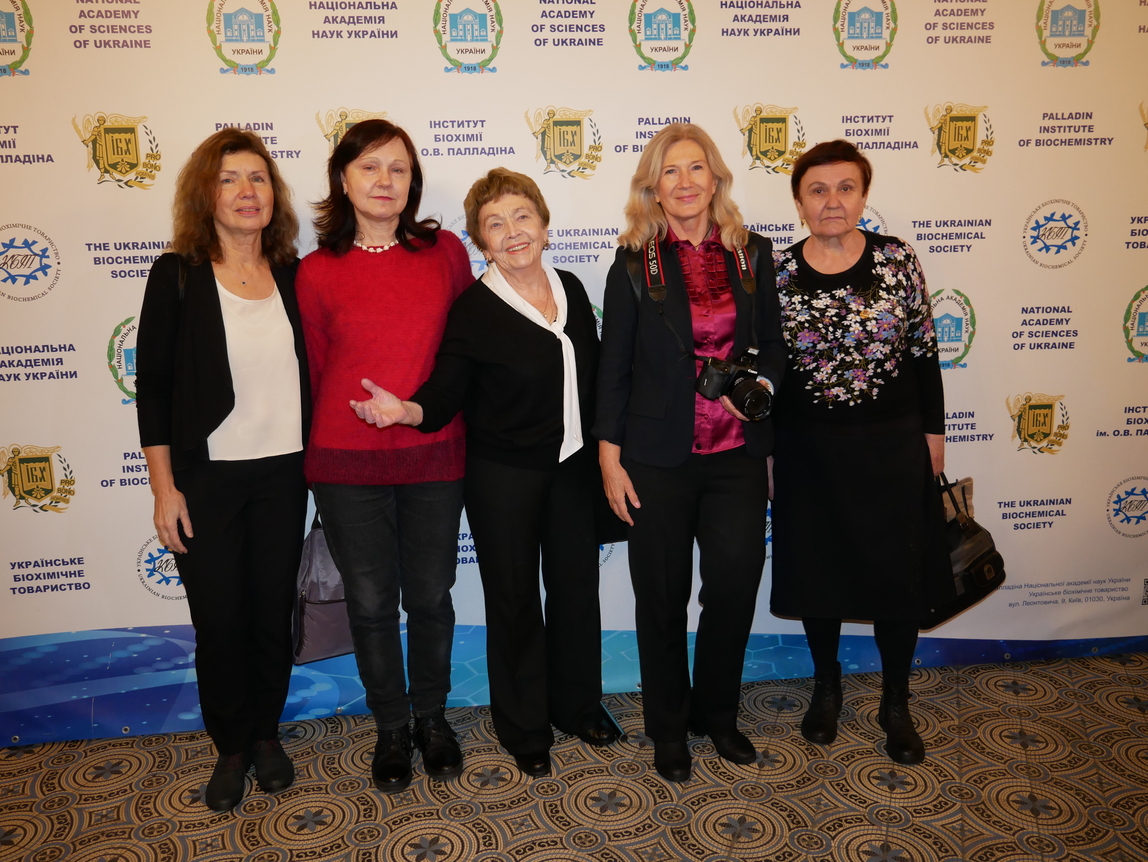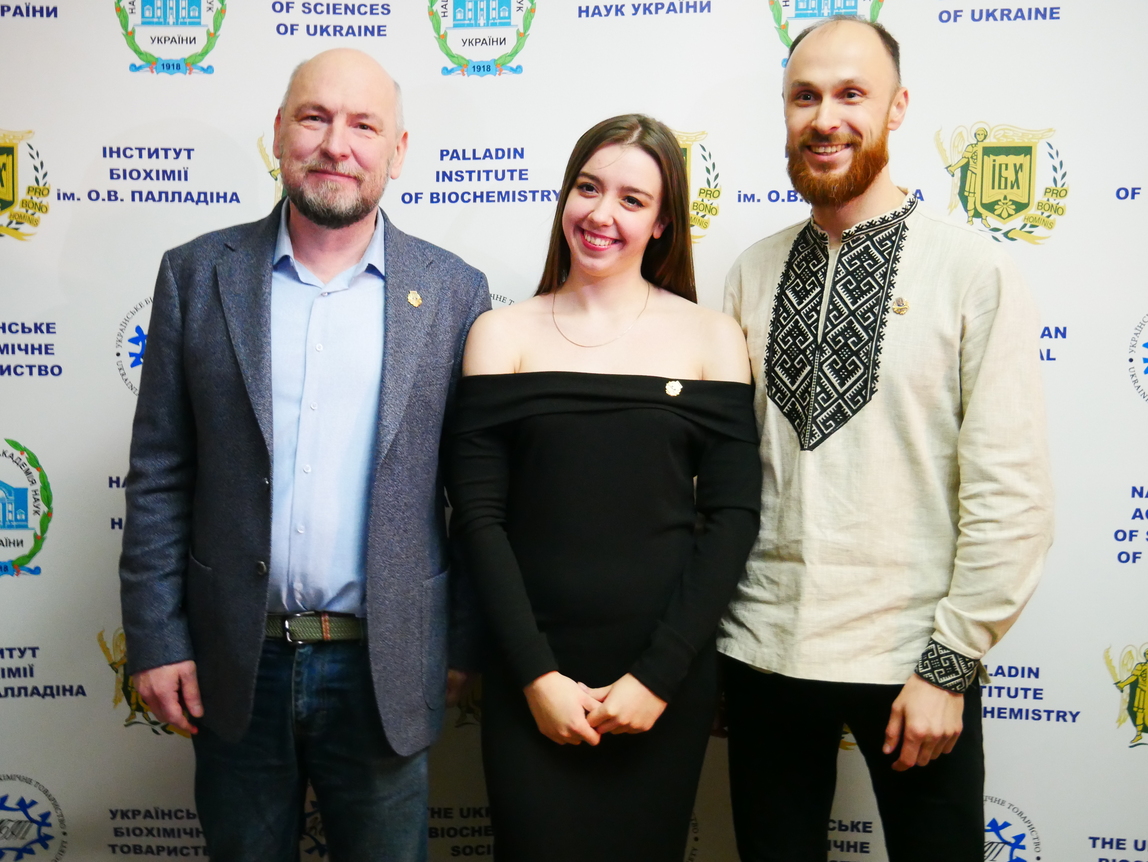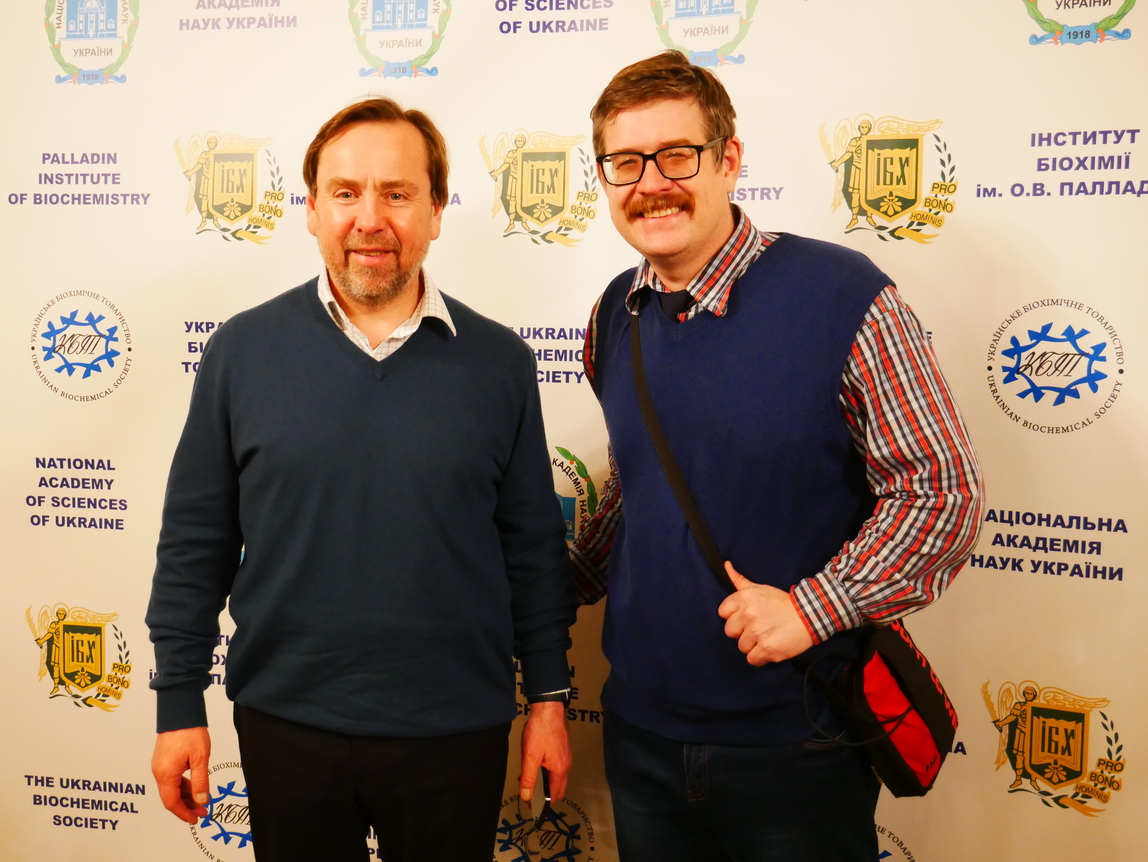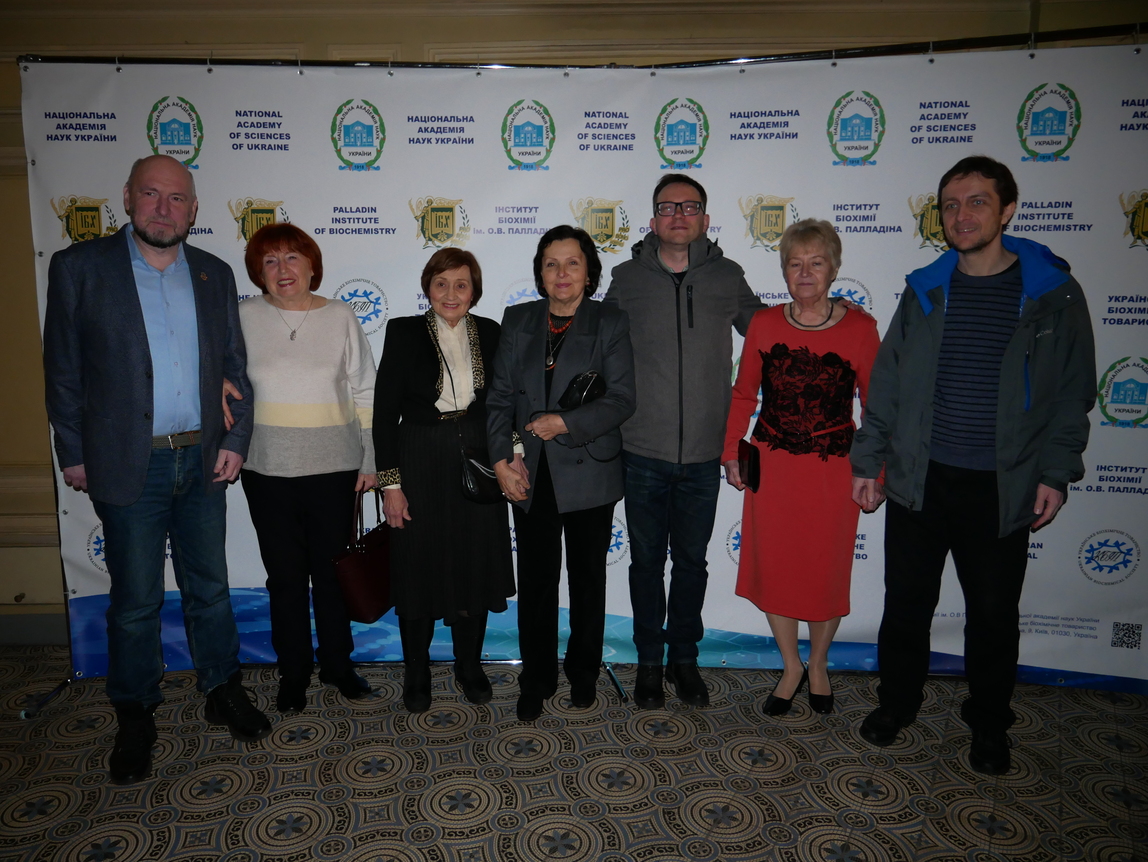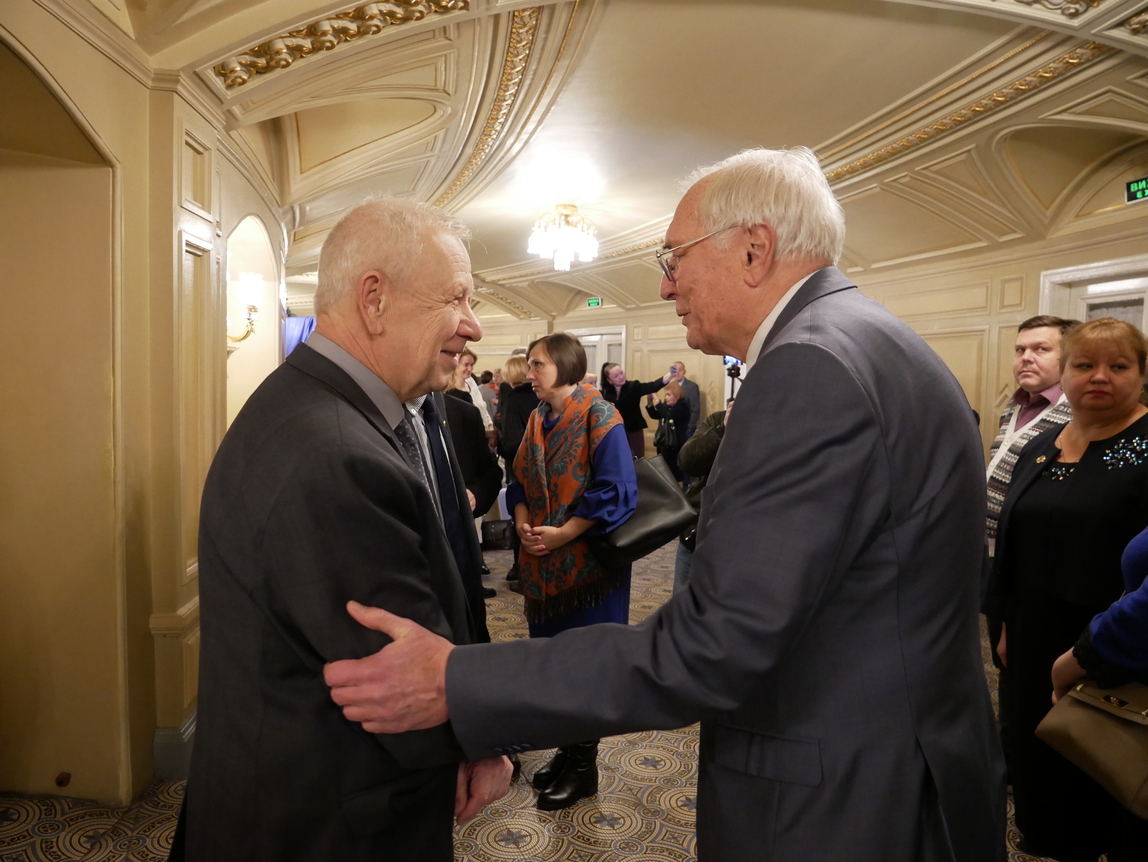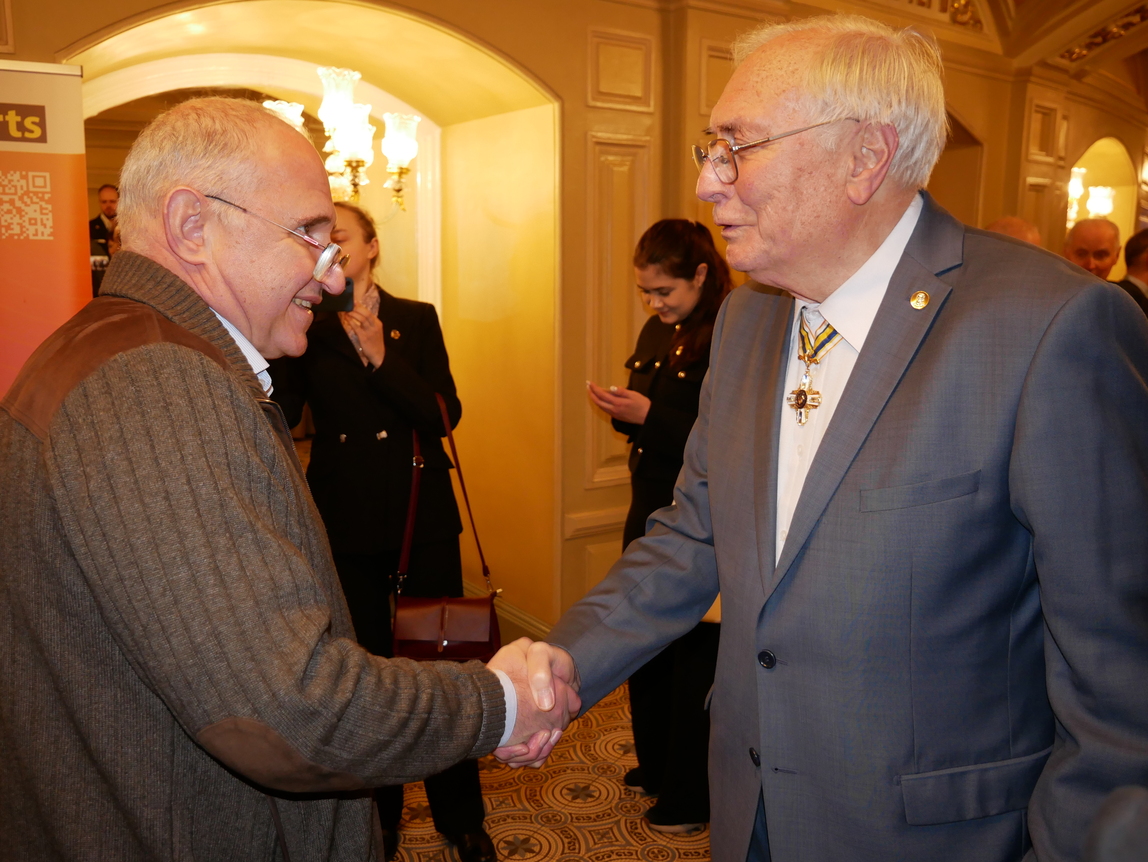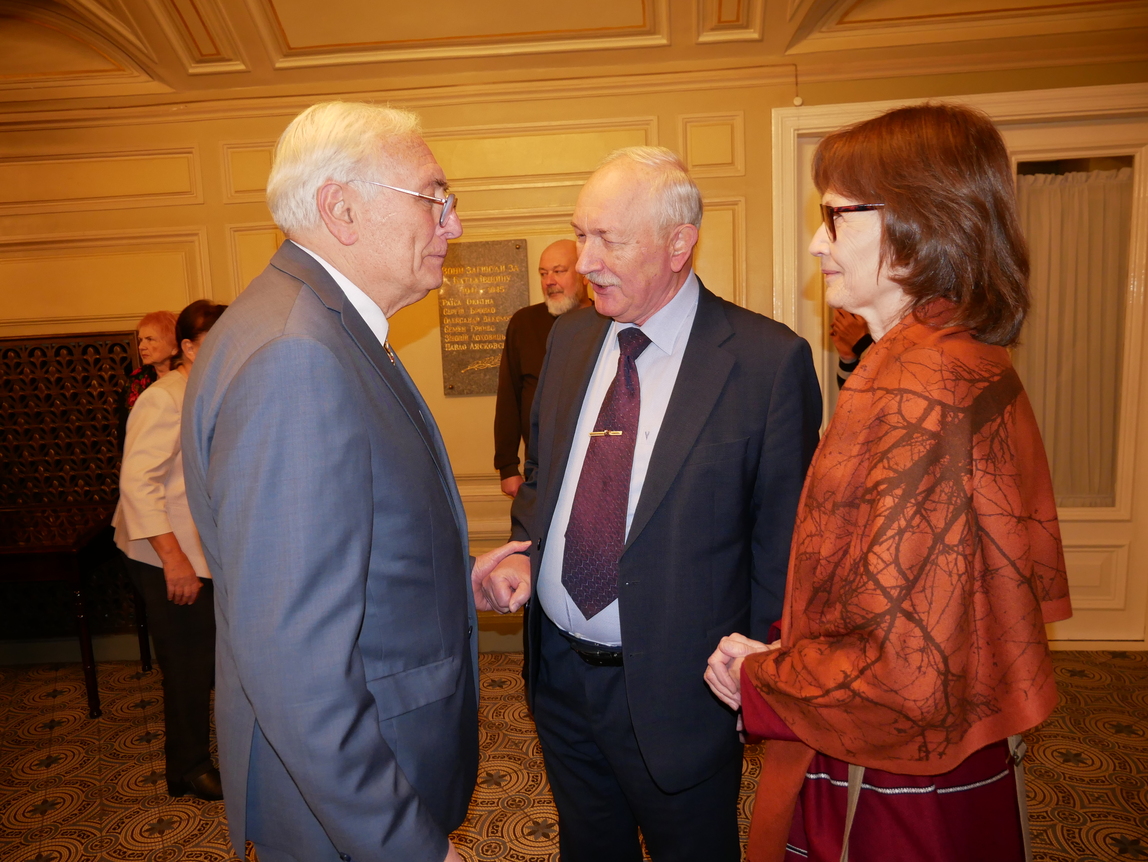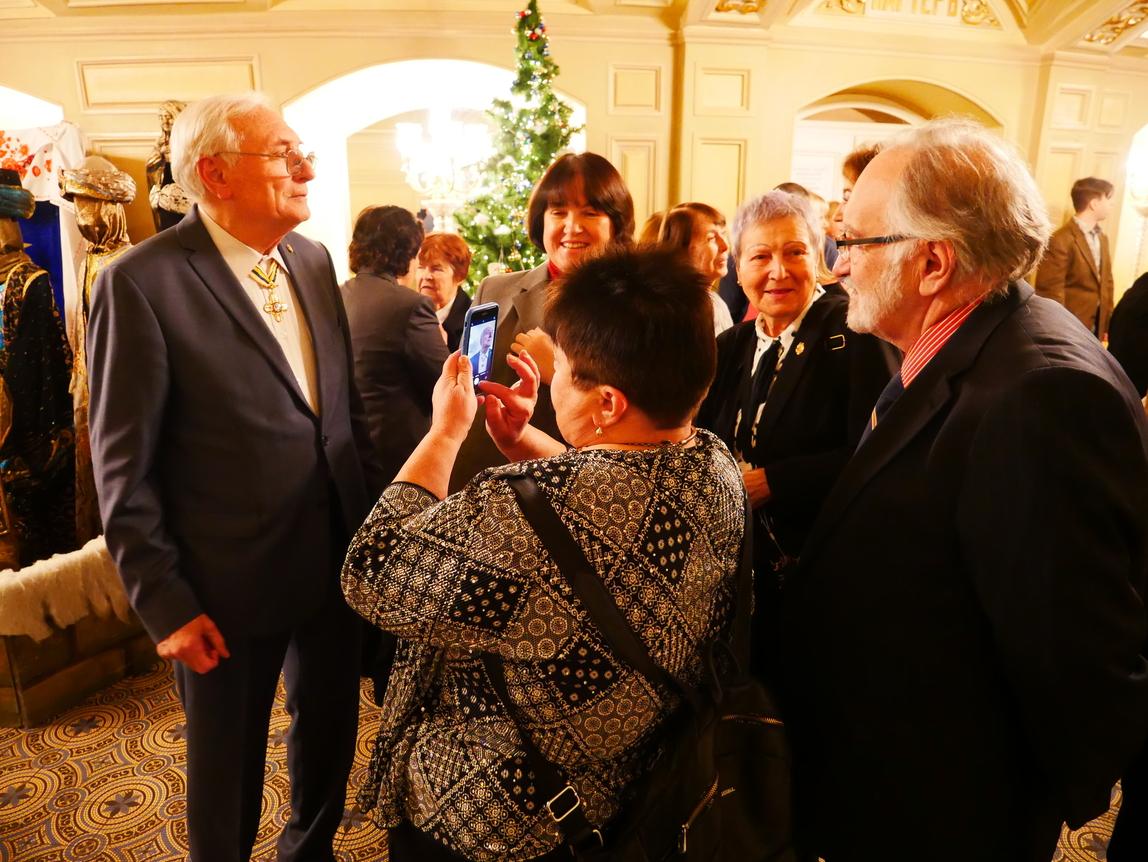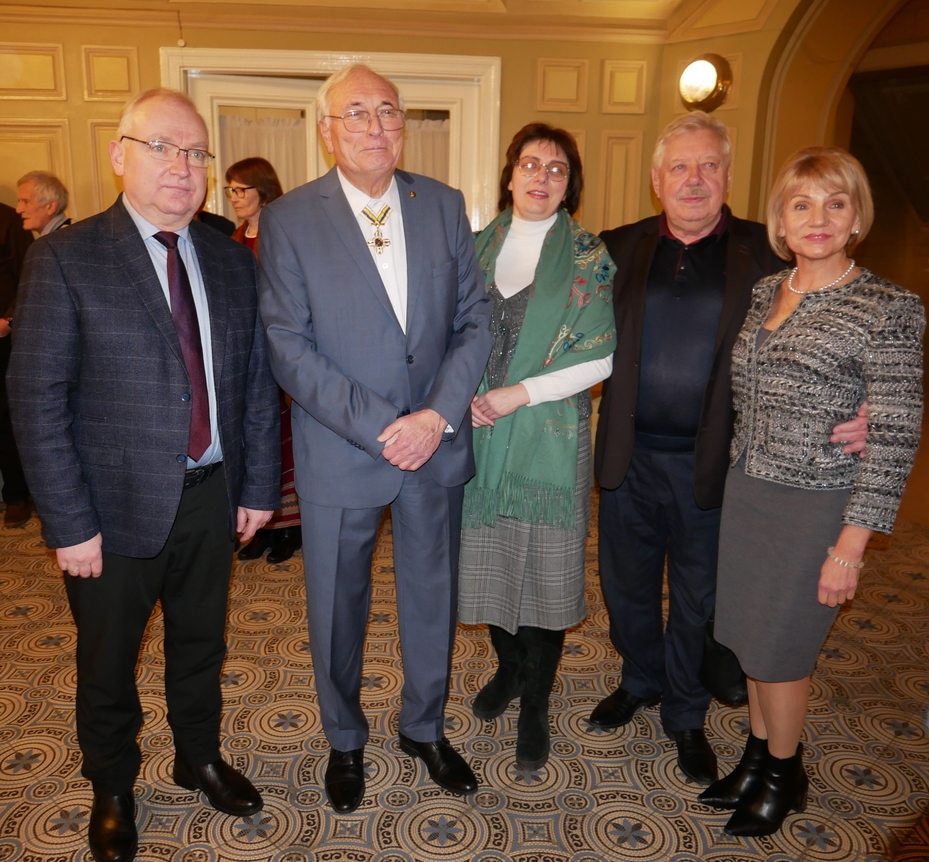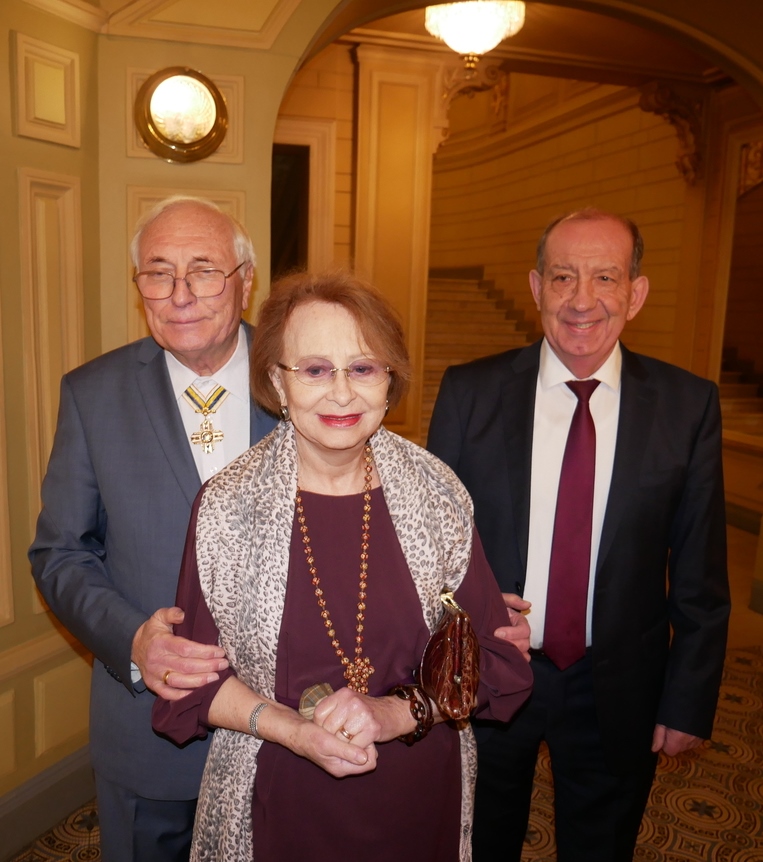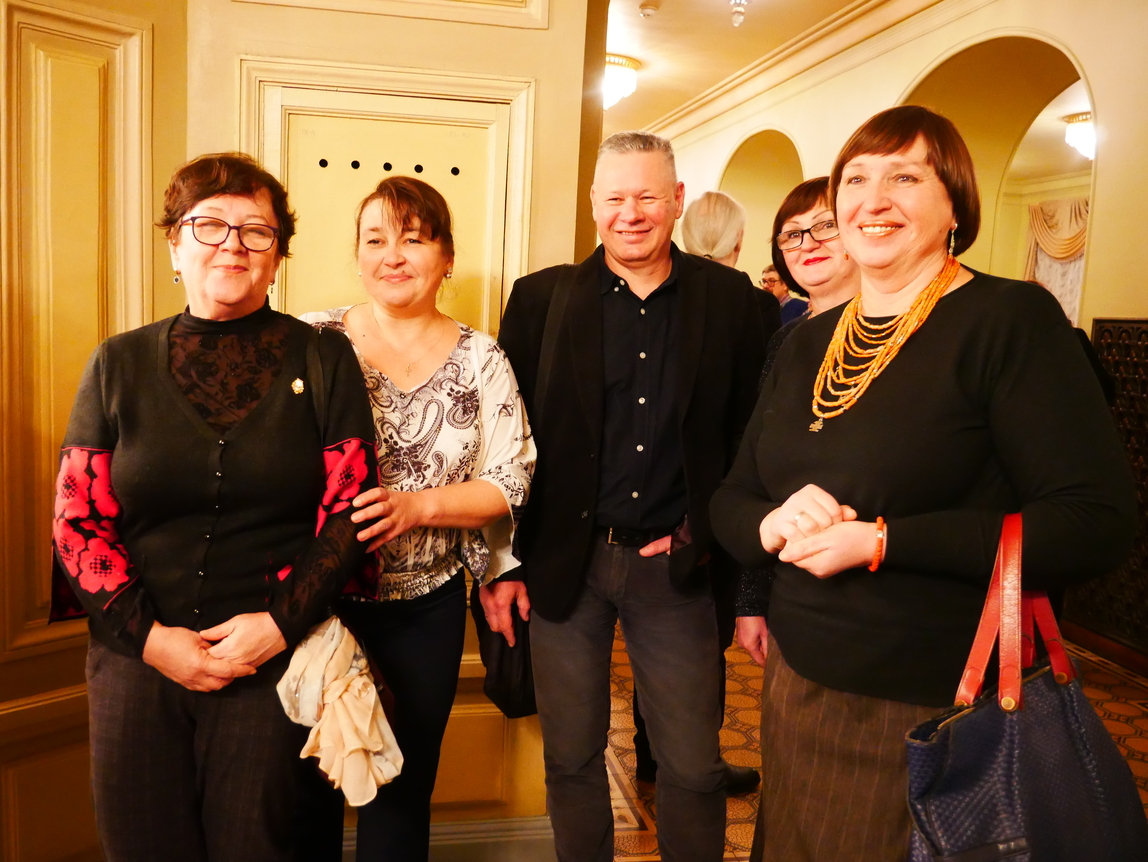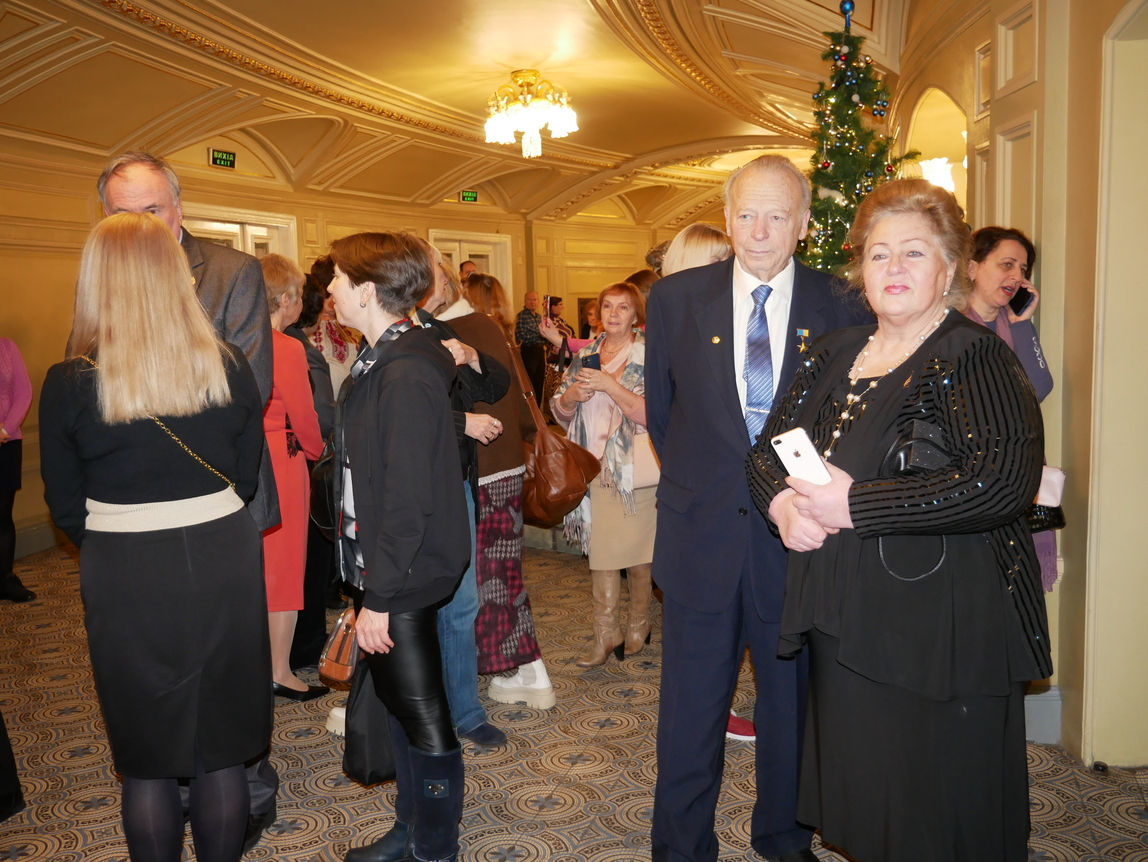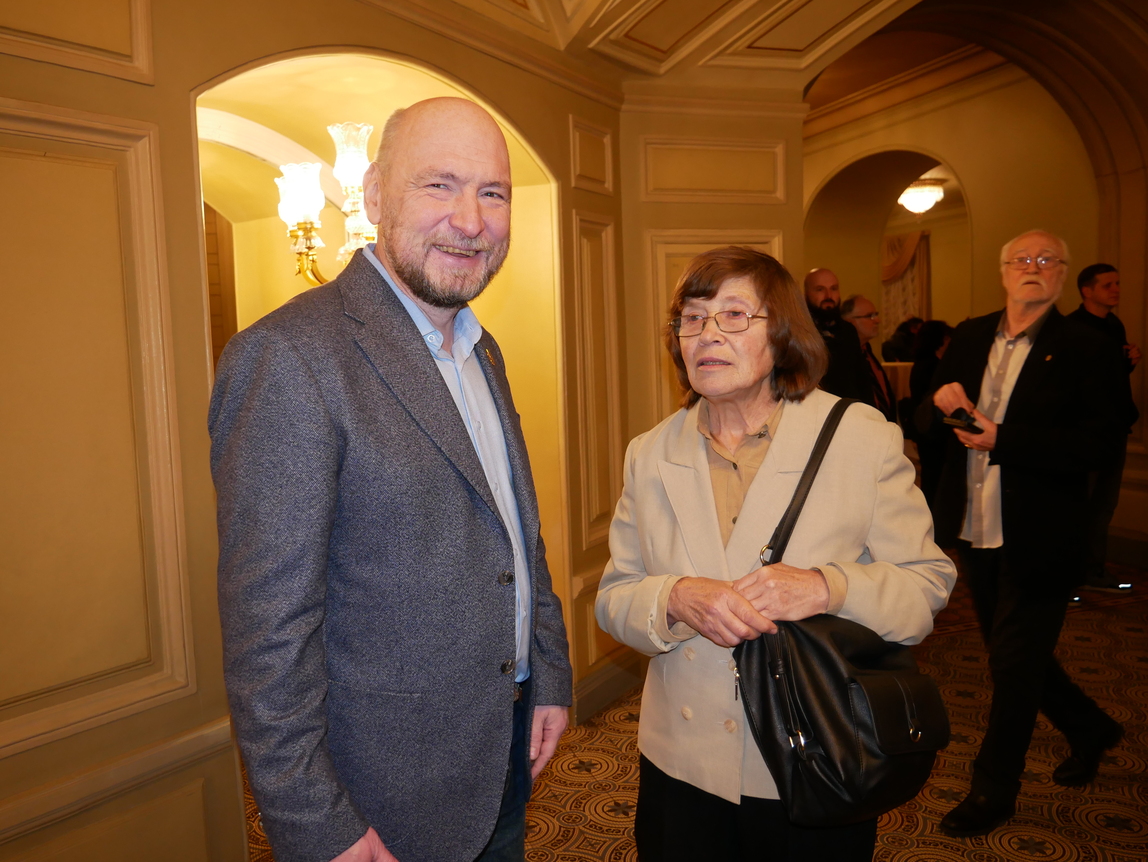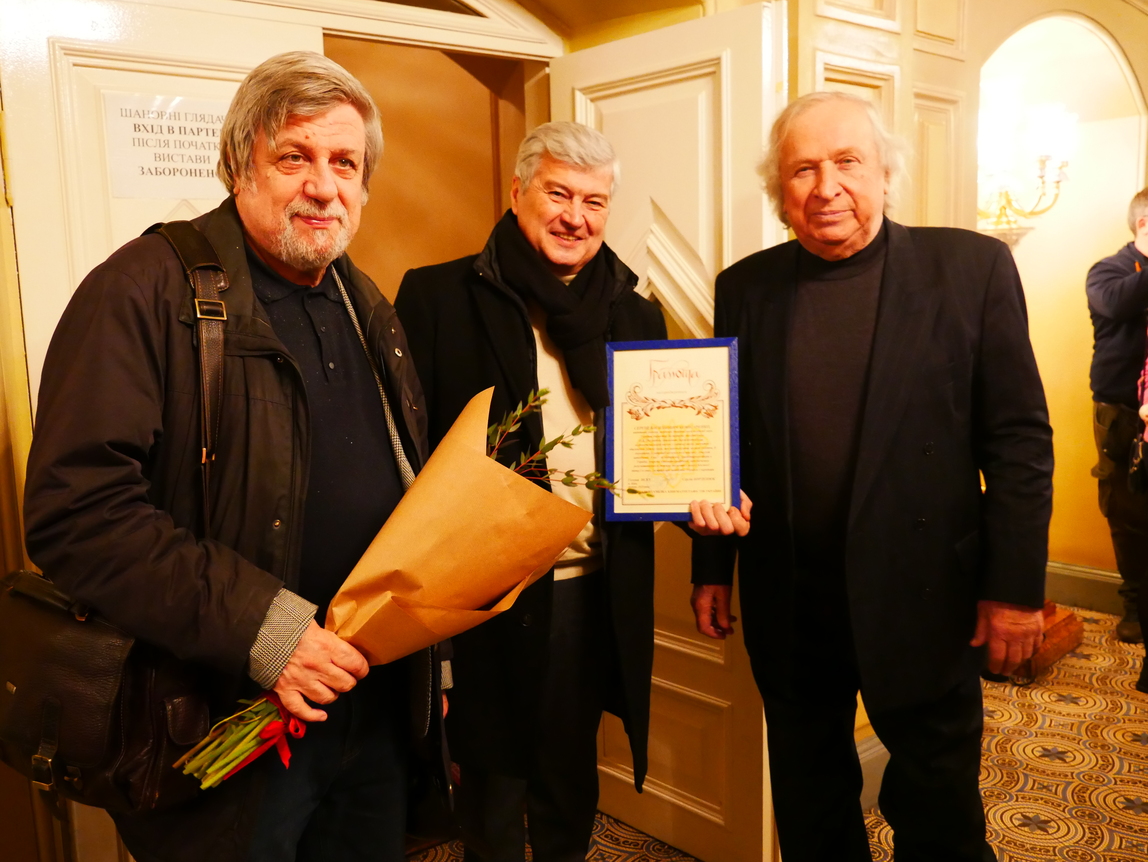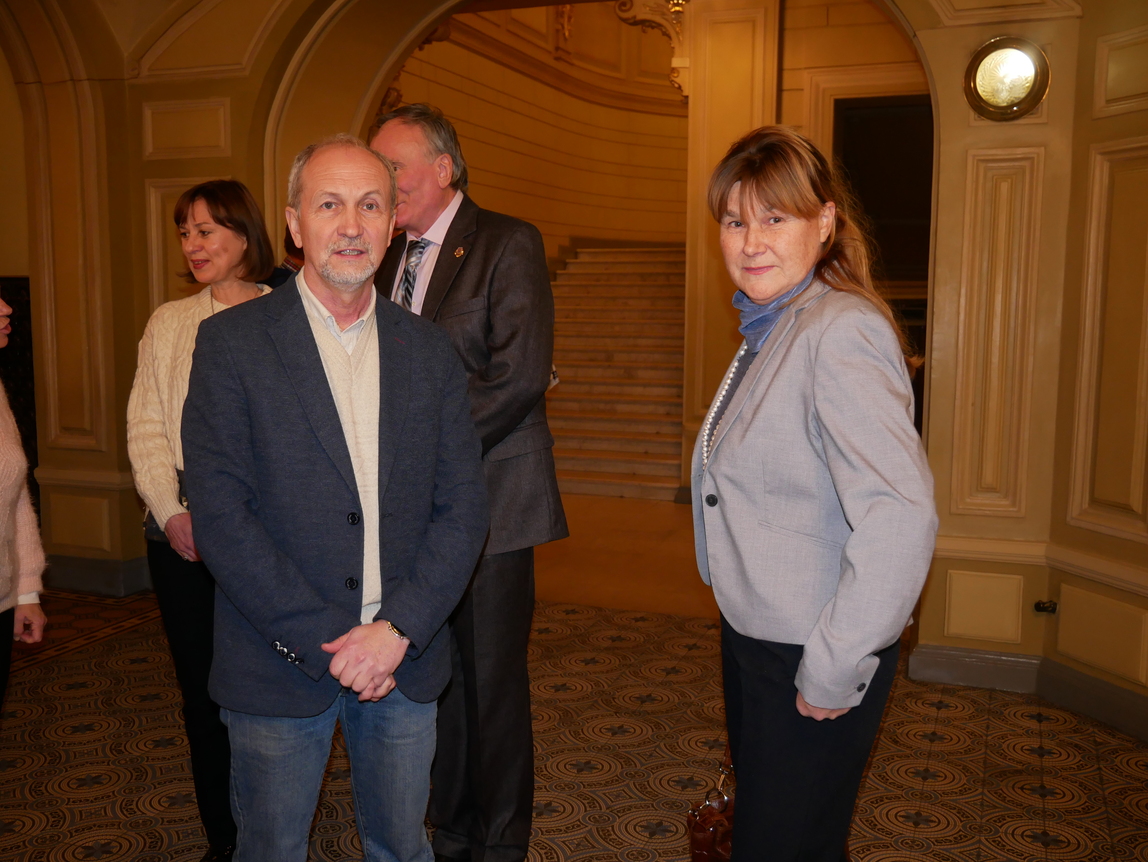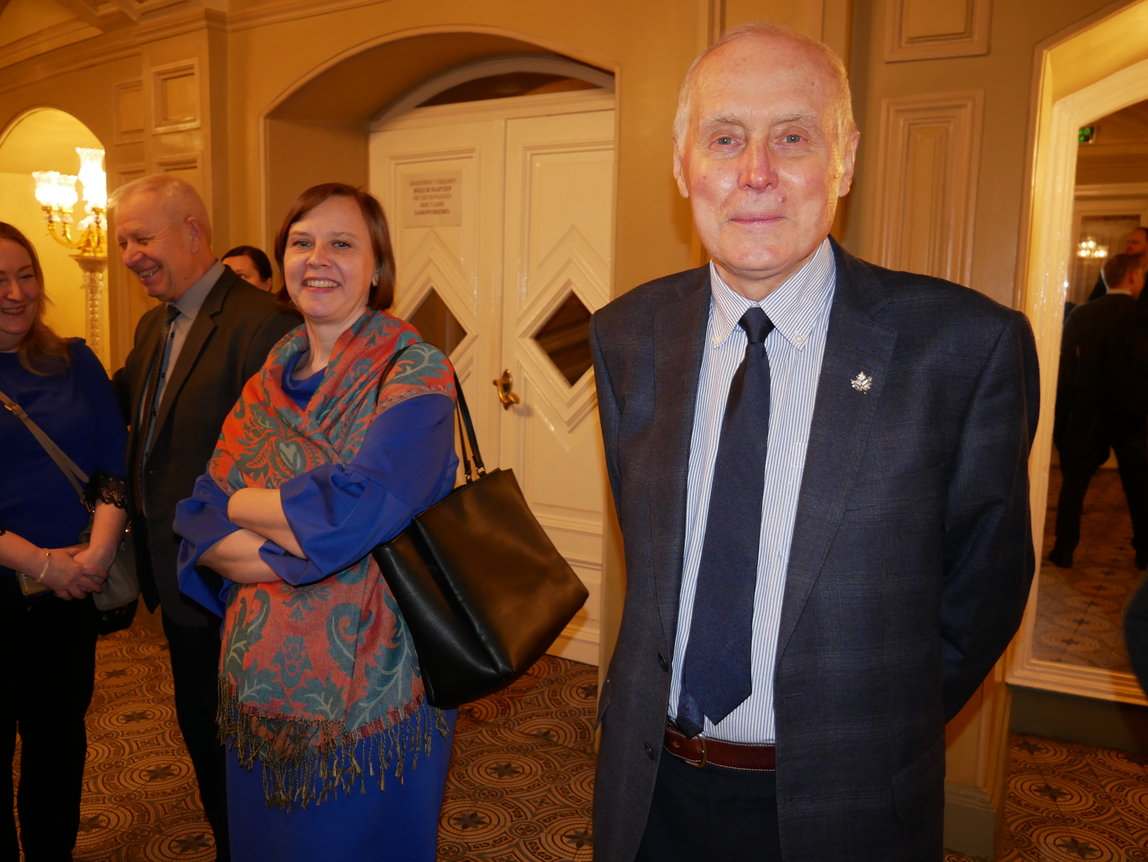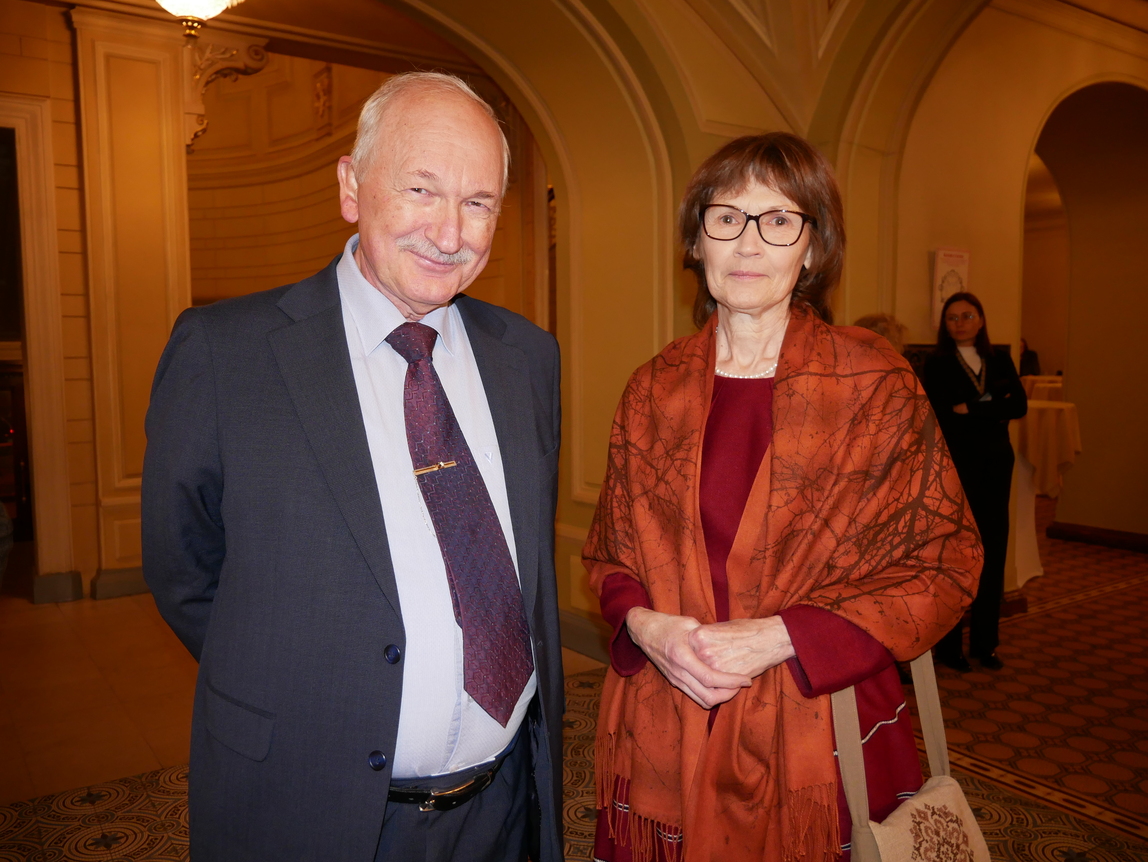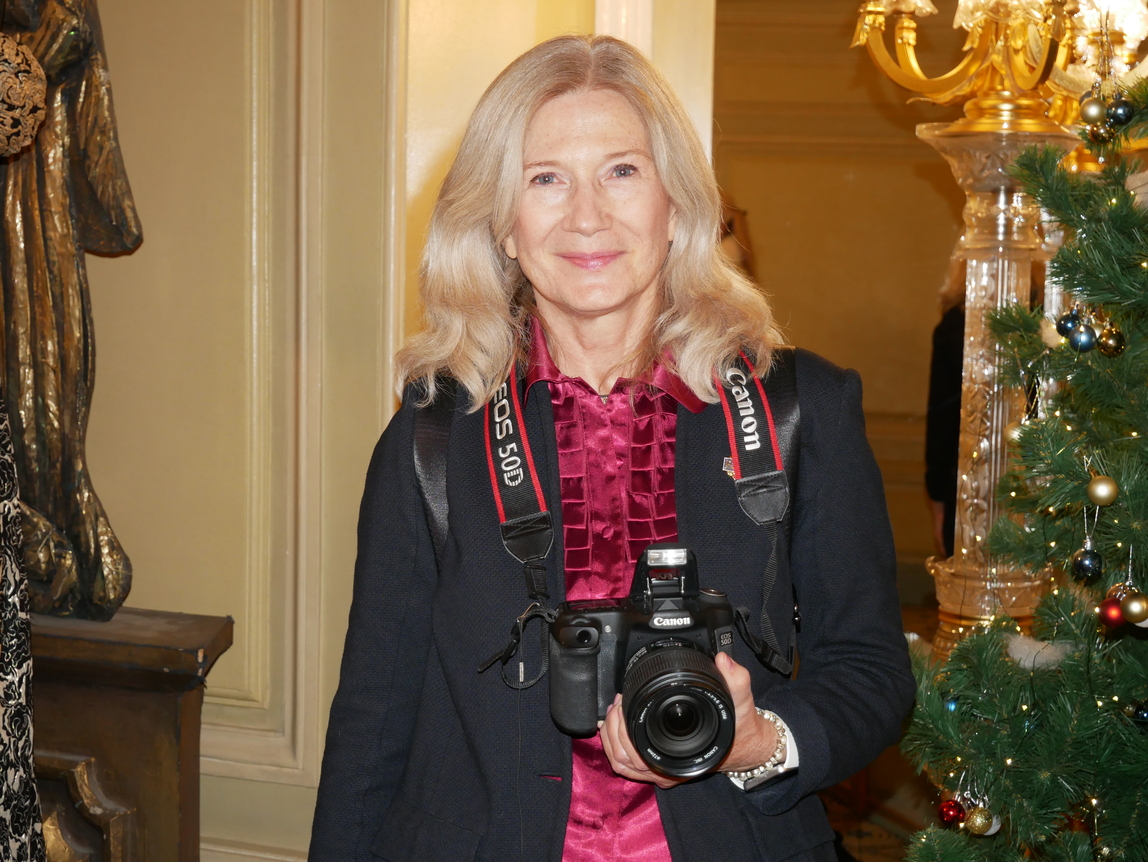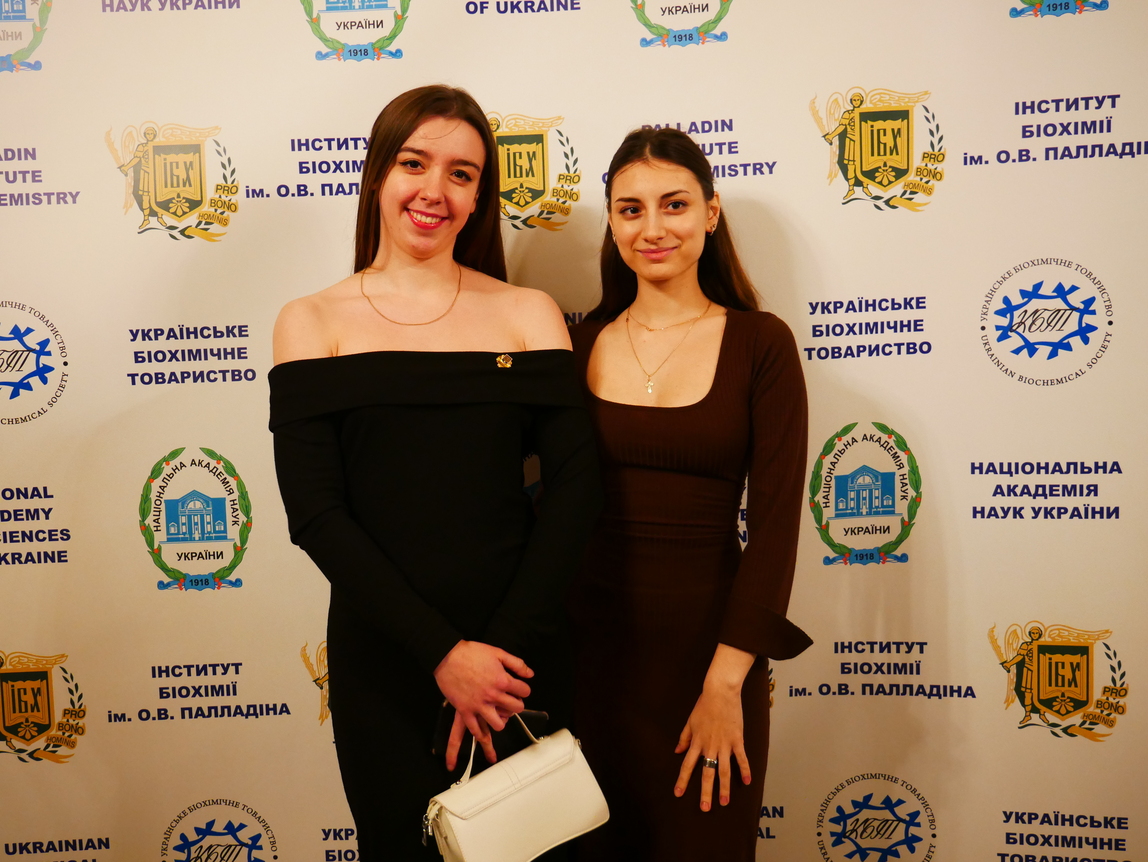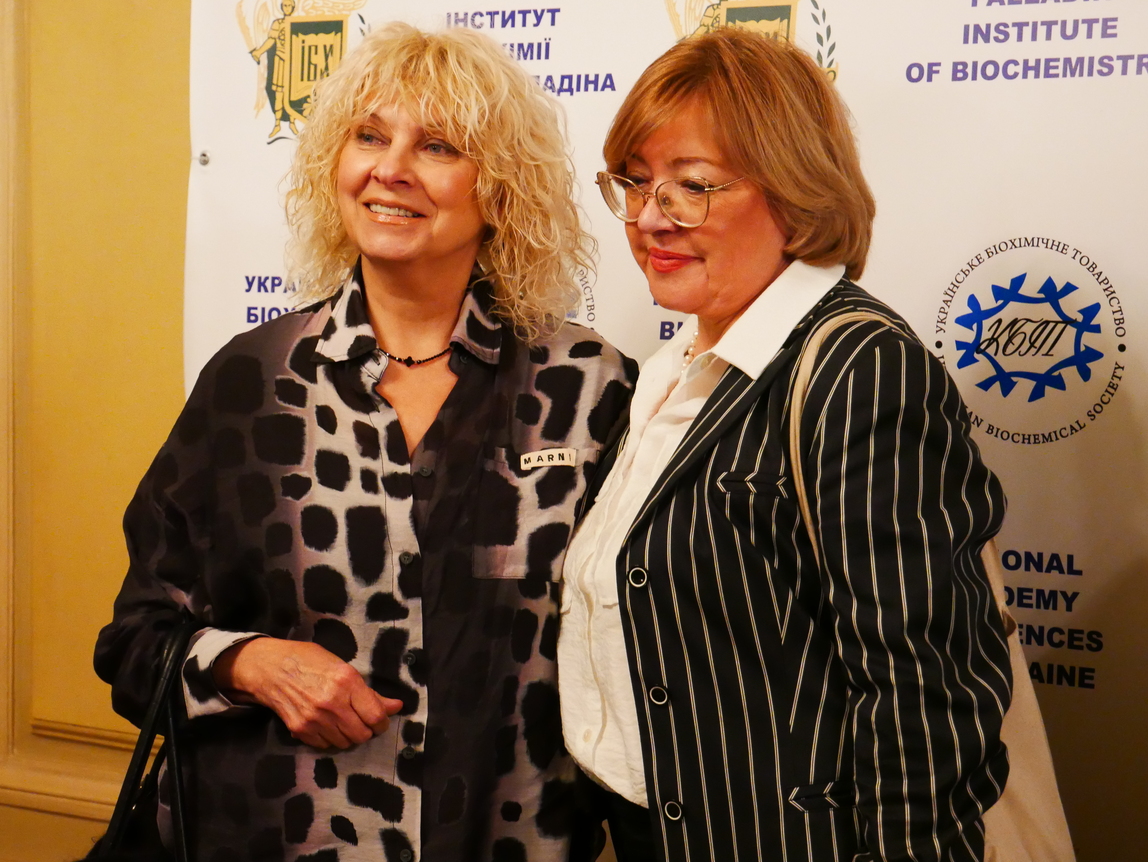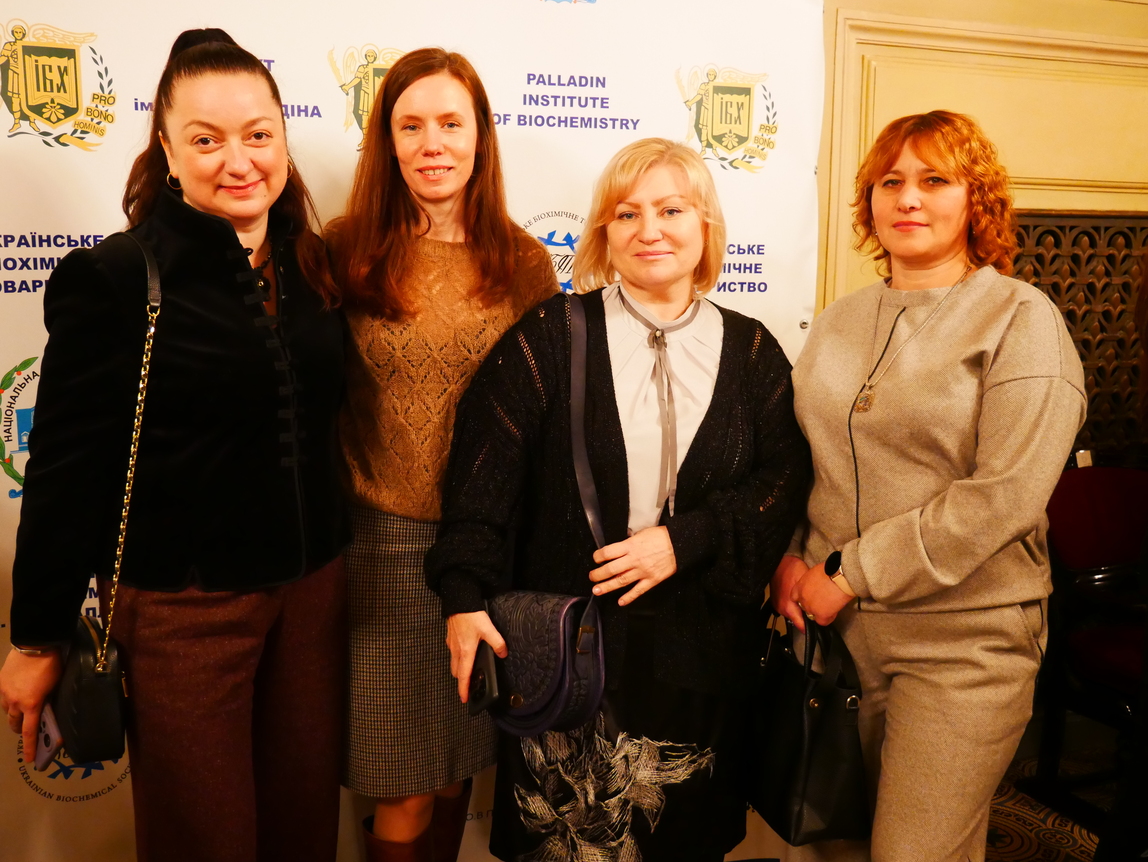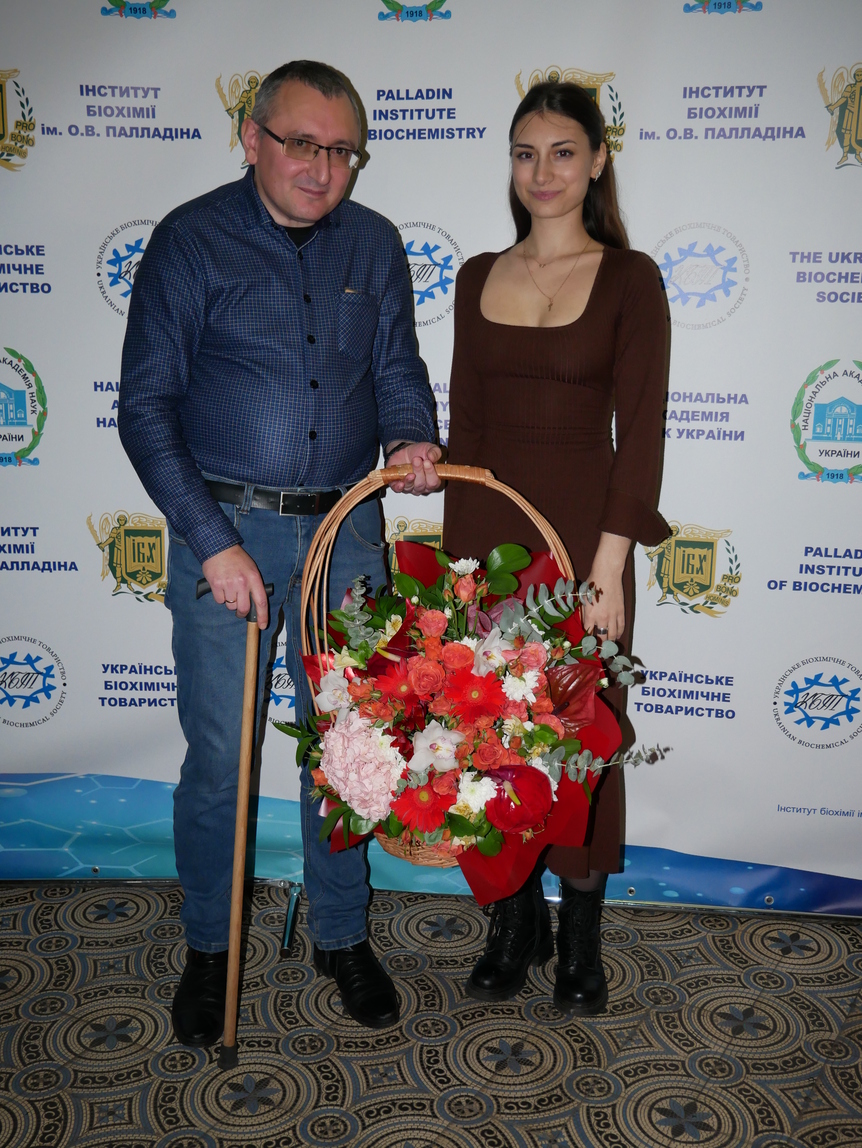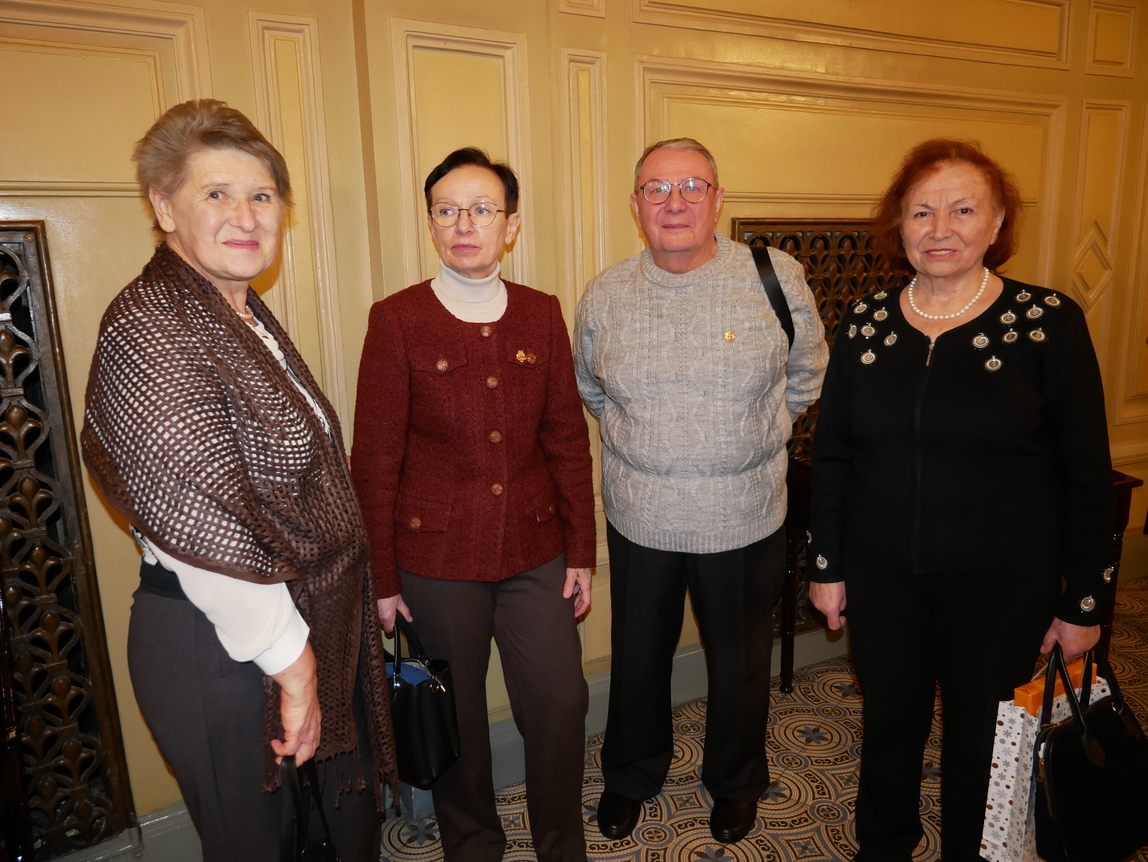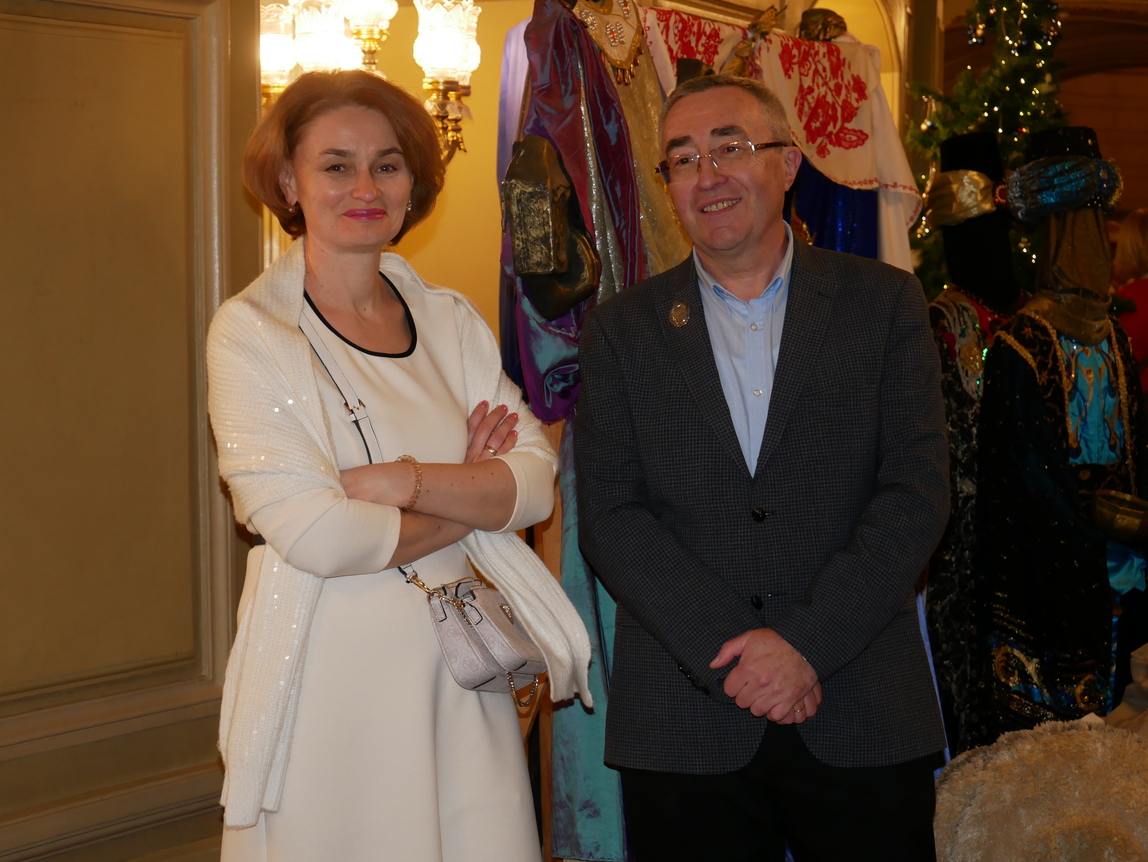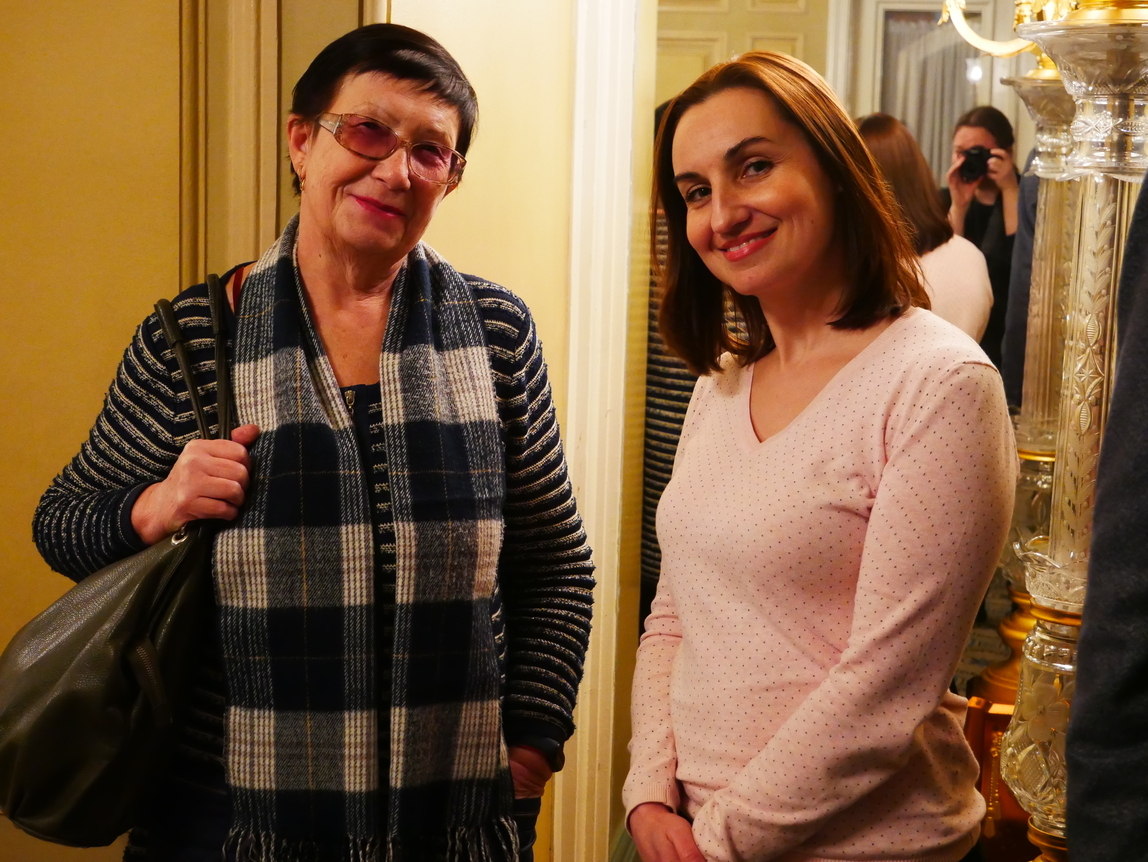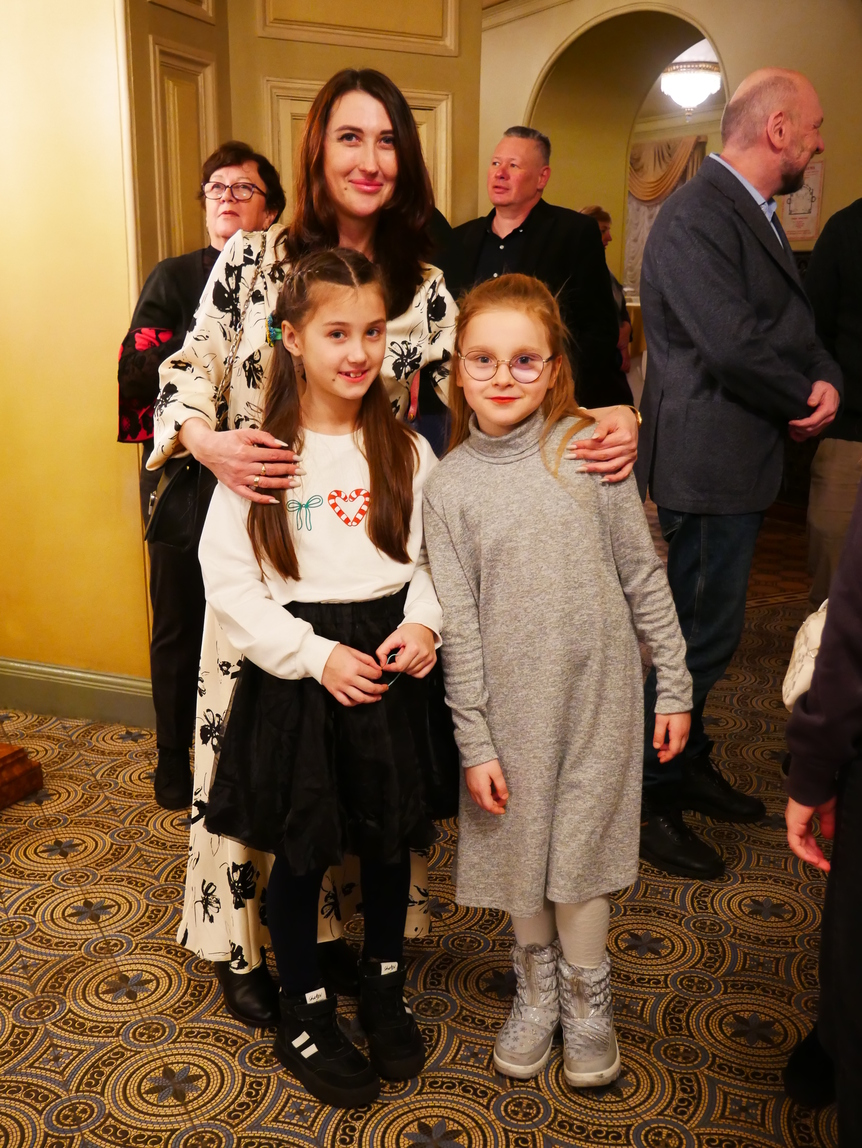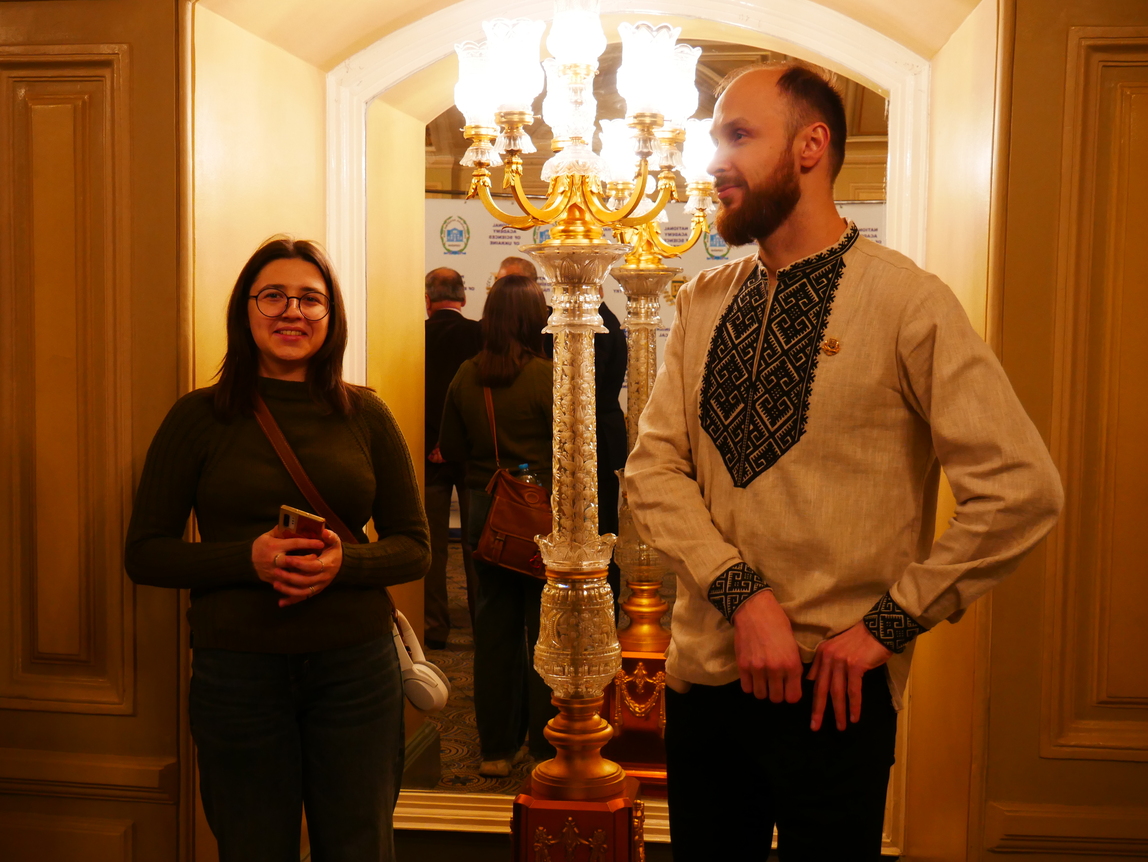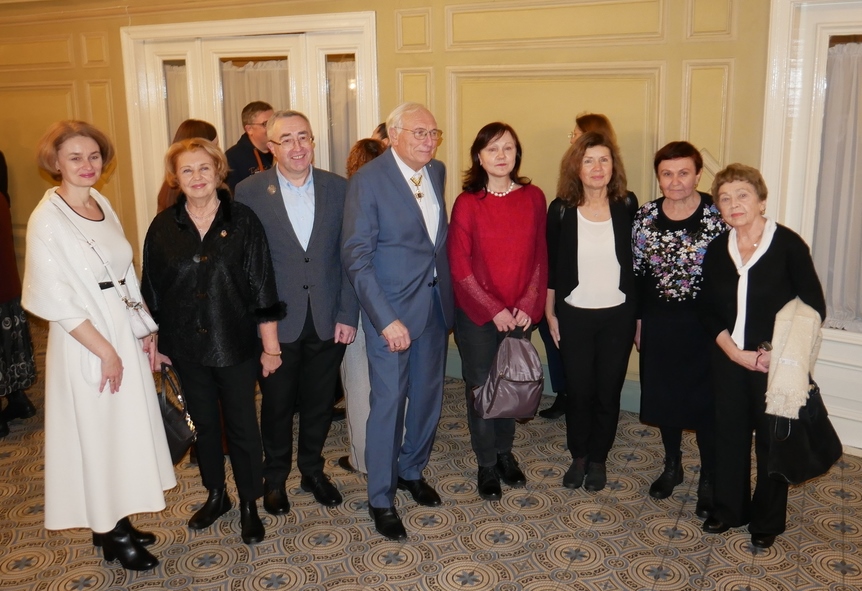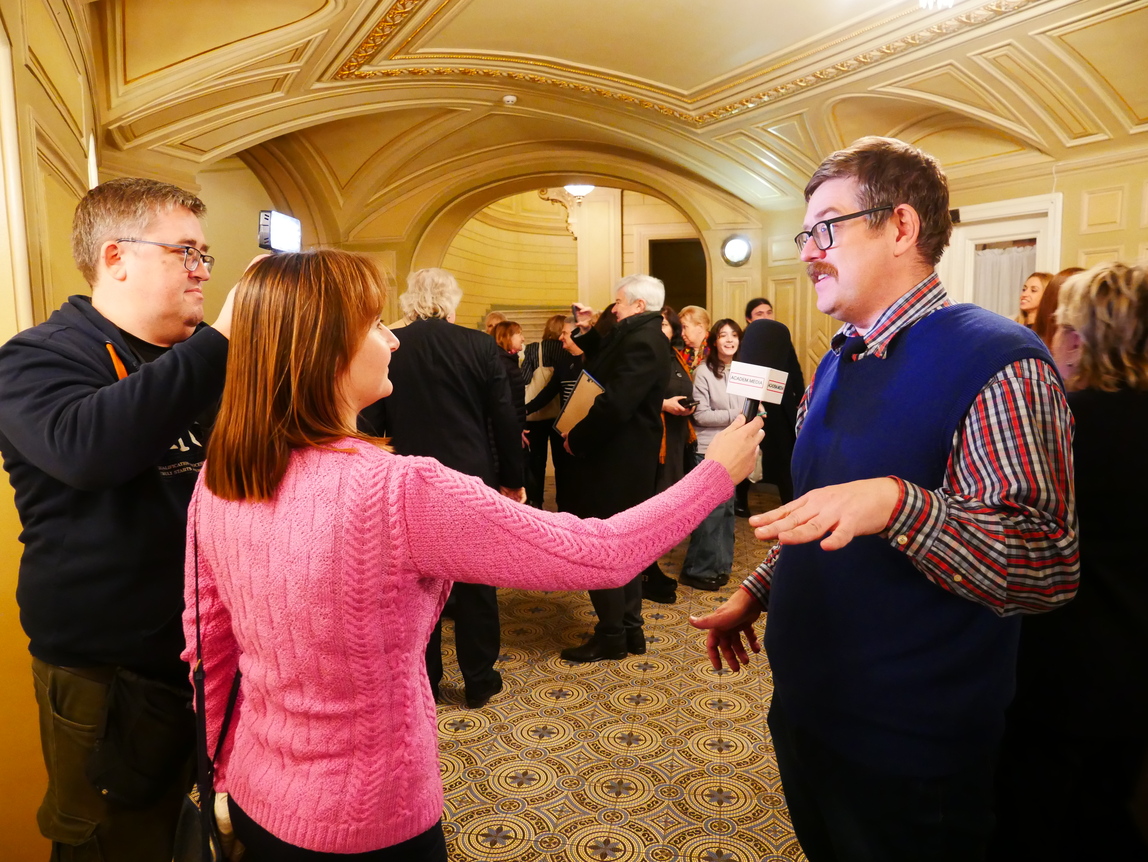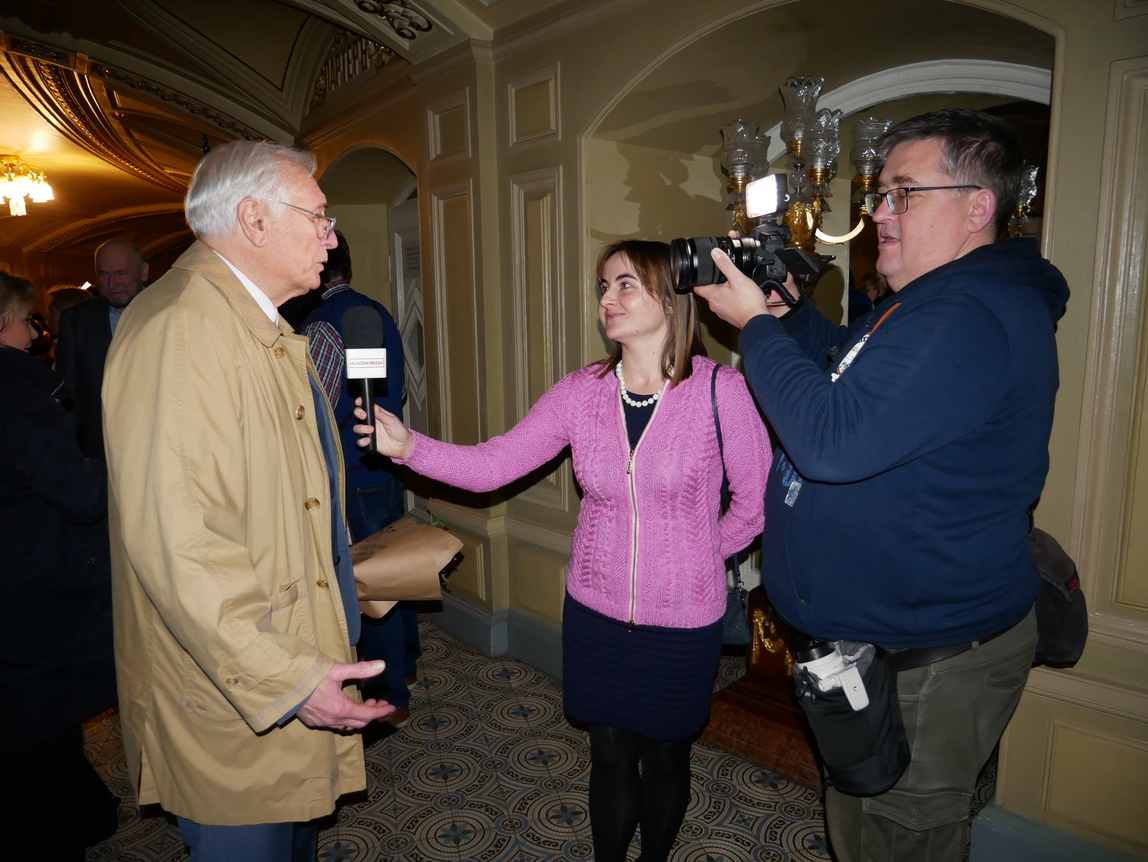

On December 17, 2025, a ceremony was held at the Taras Shevchenko National Academic Opera and Ballet Theatre of Ukraine to celebrate the 100th anniversary of the O.V. Palladin Institute of Biochemistry of the National Academy of Sciences of Ukraine.
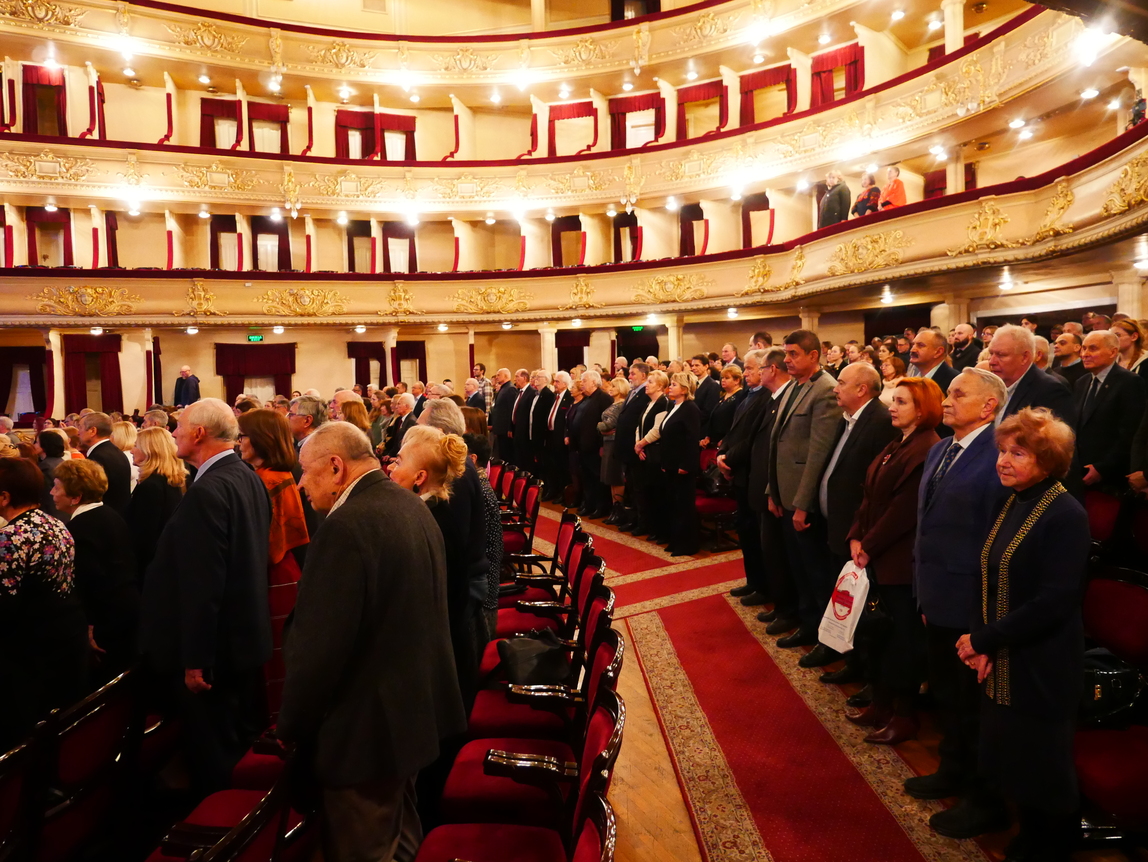
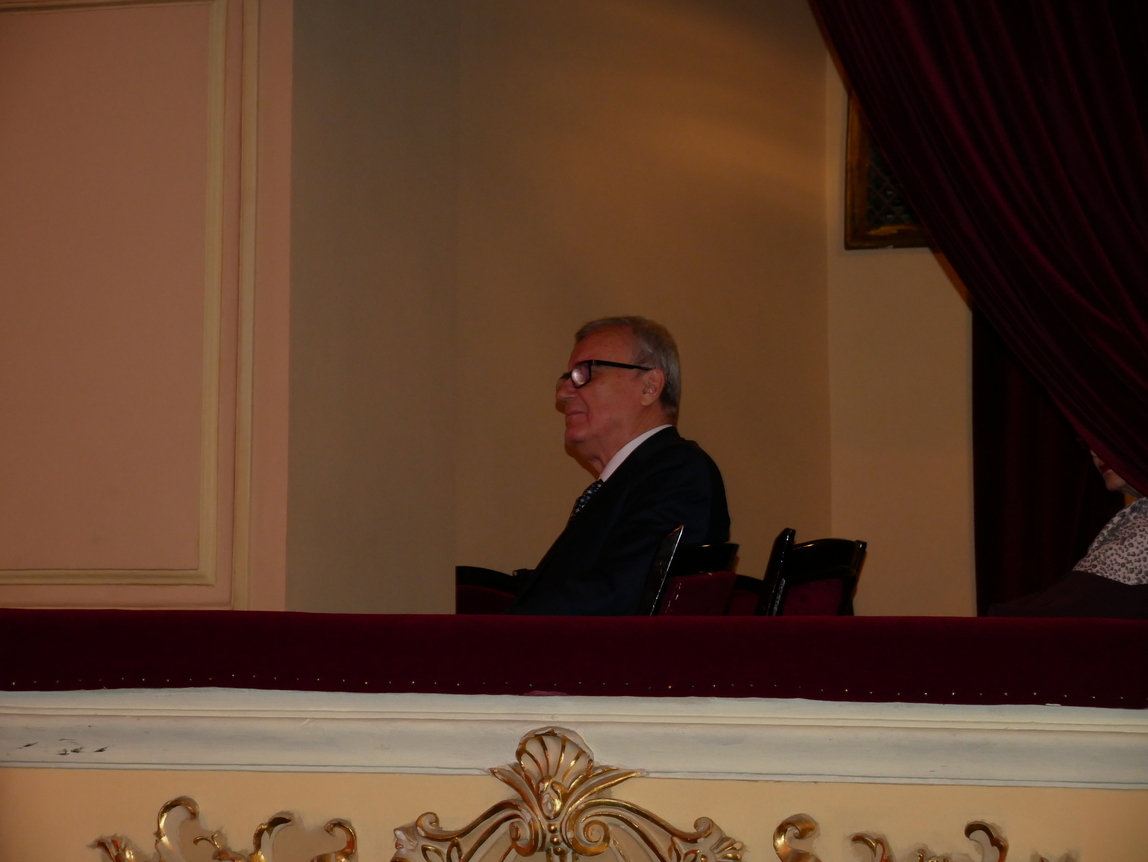
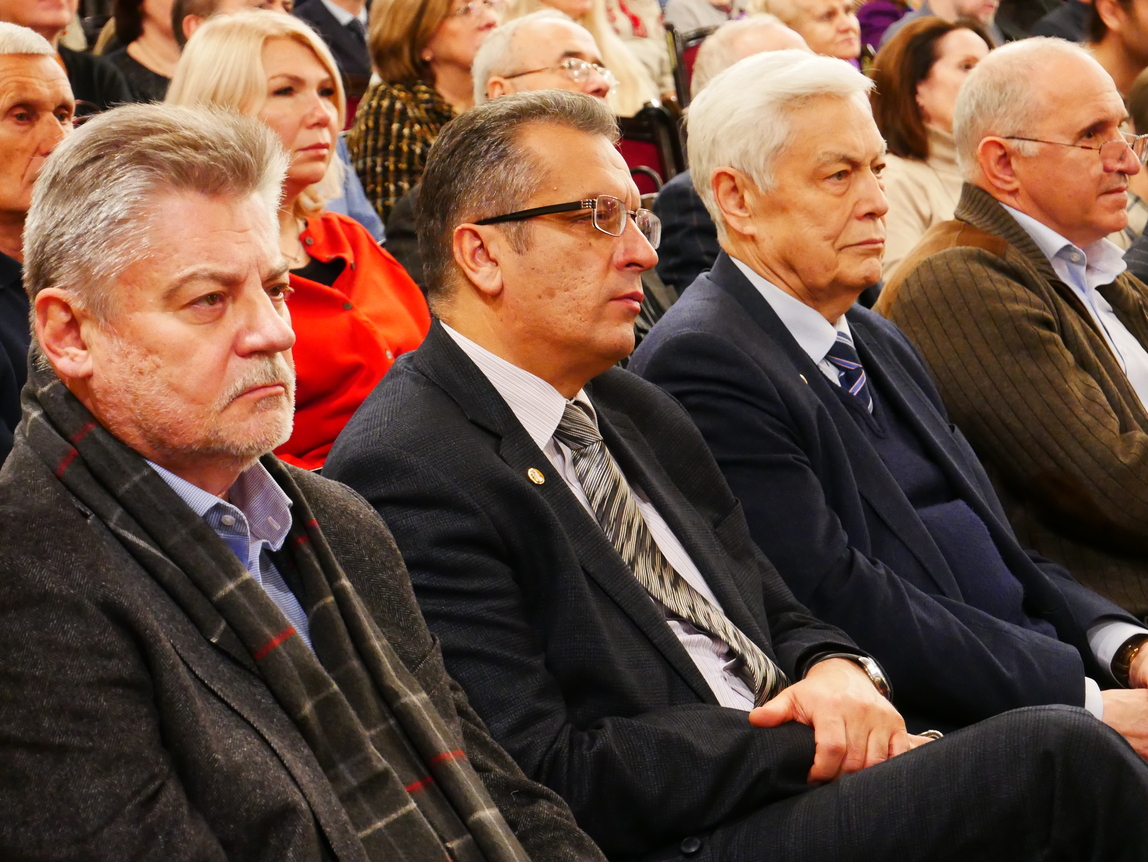
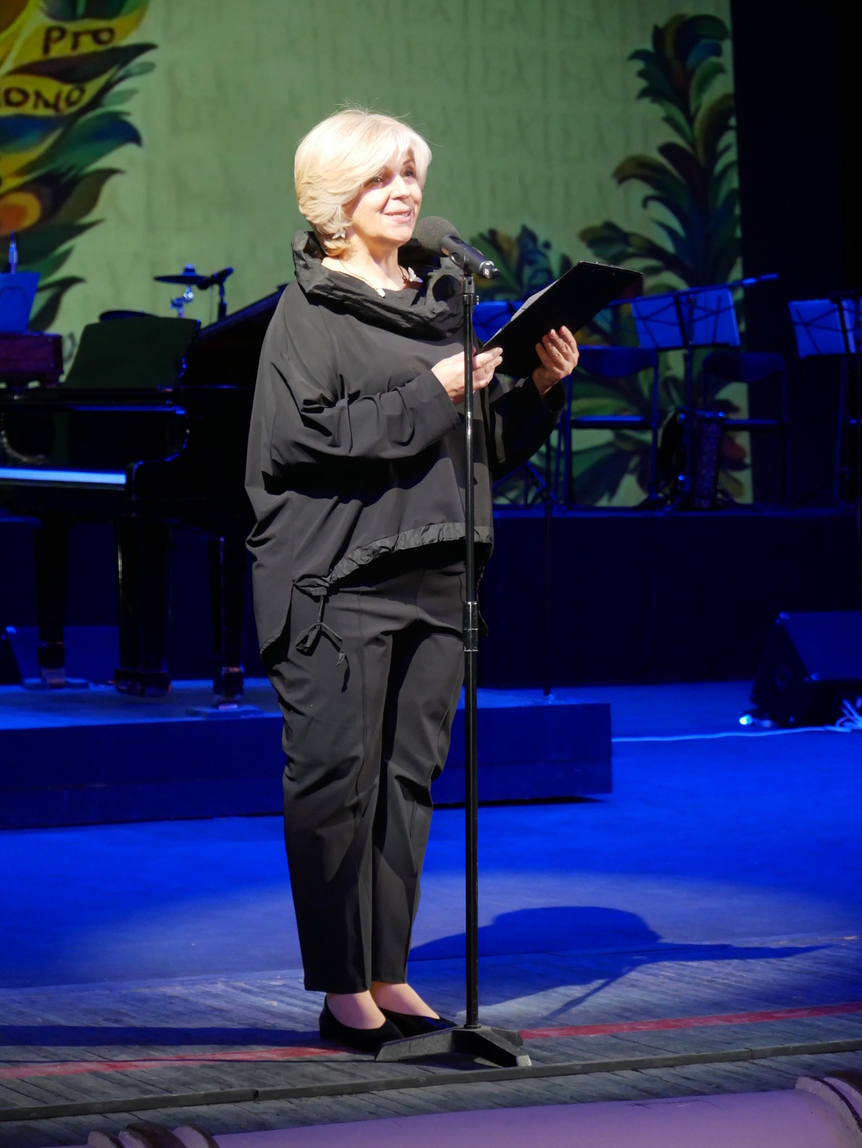
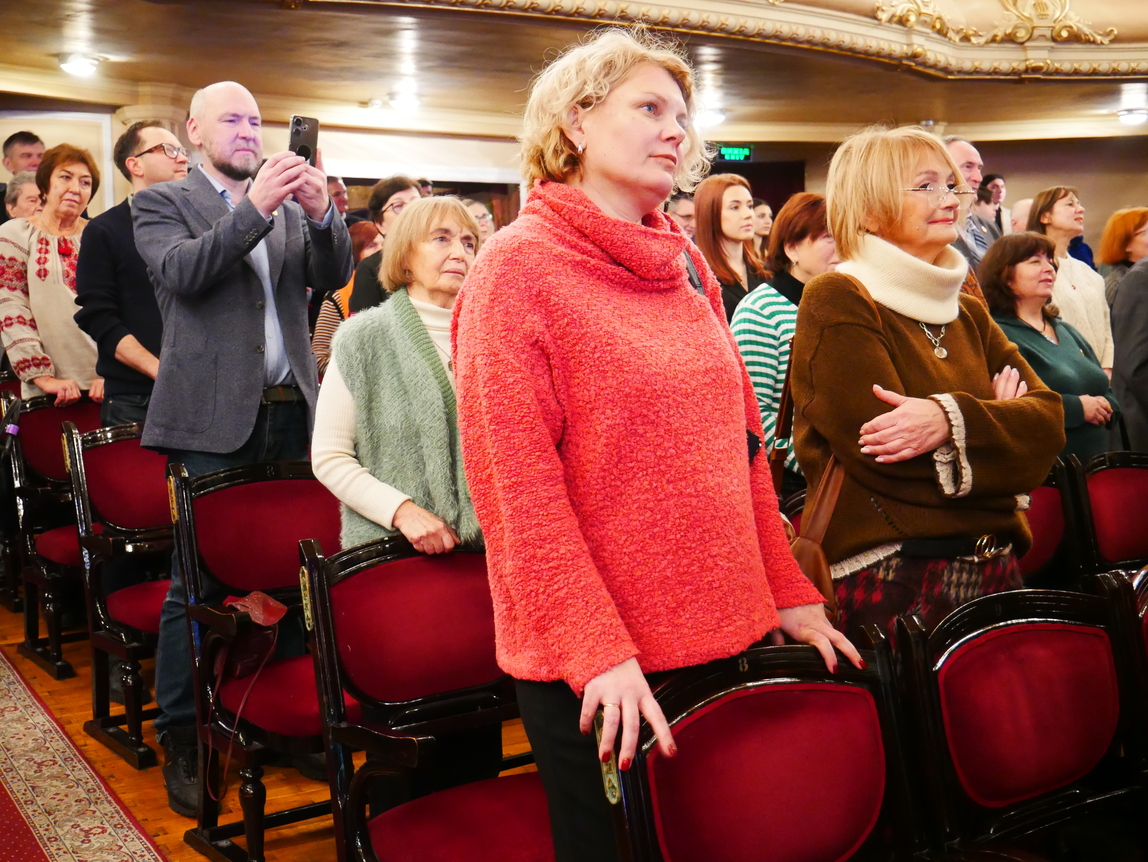
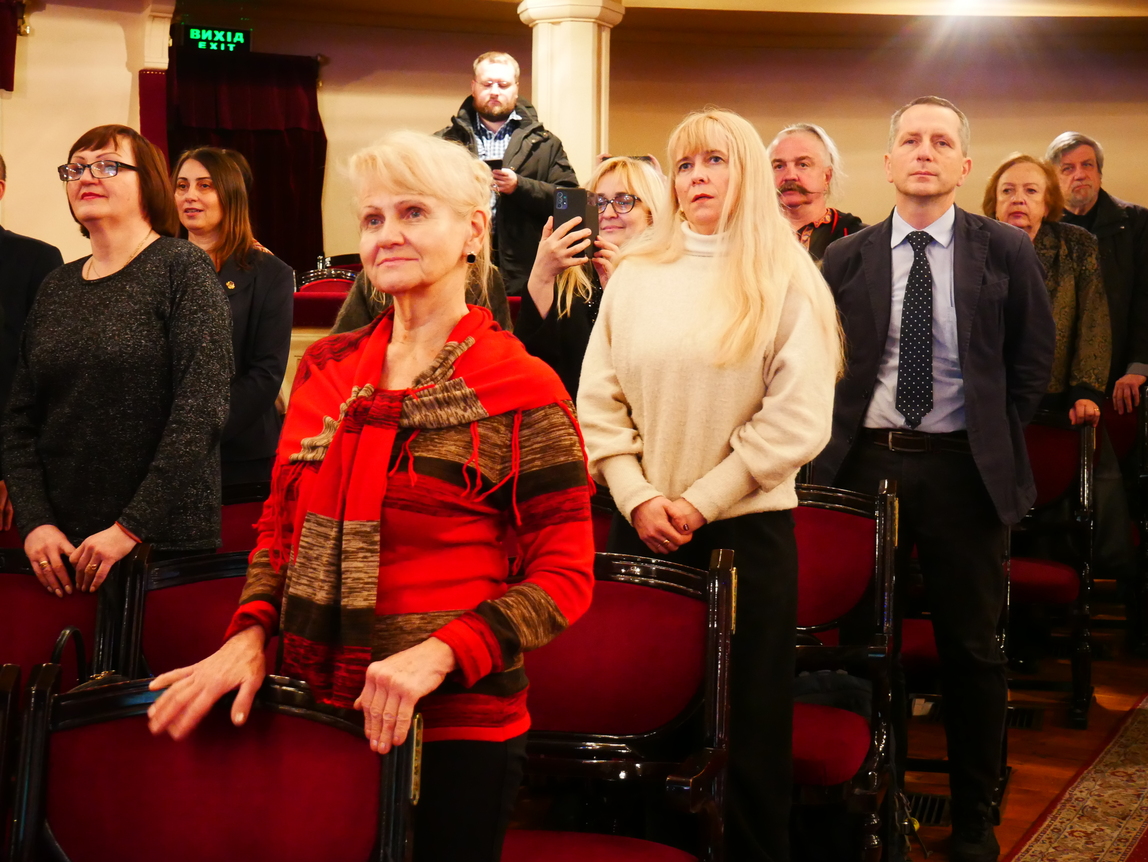
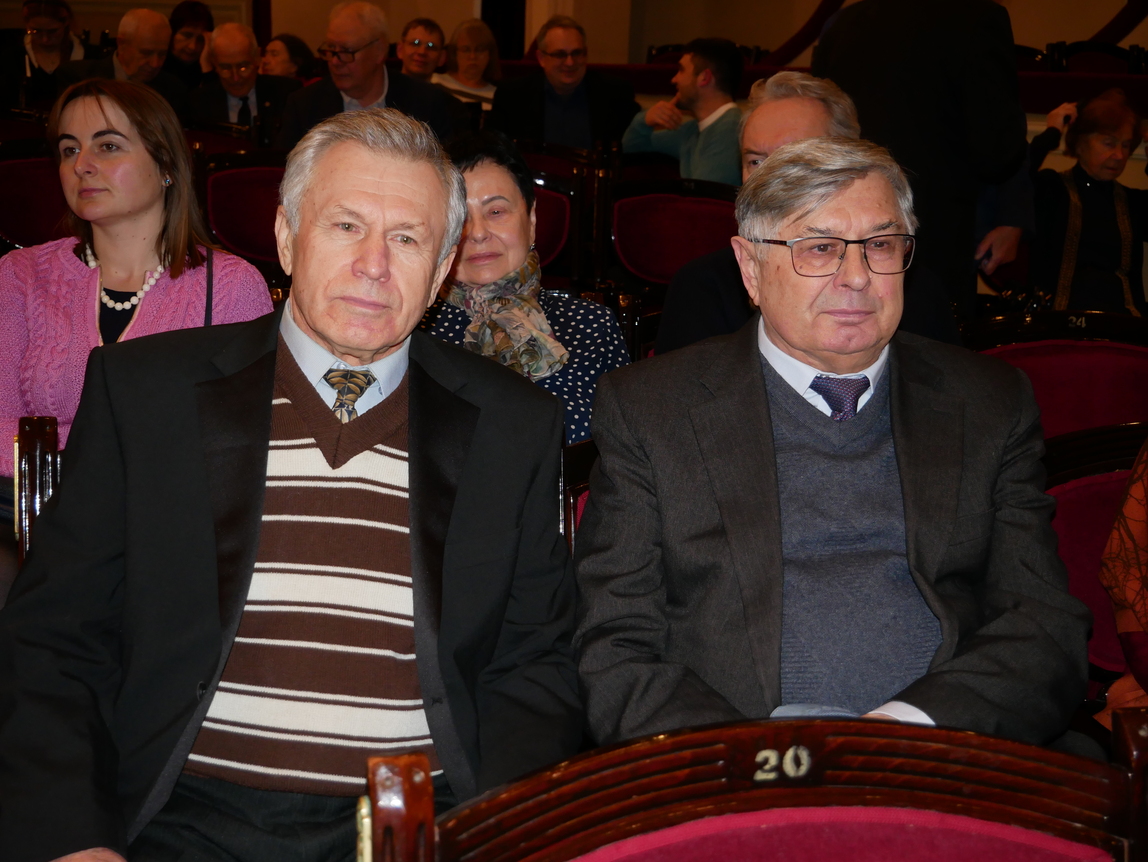
The event was attended by the leadership of the National Academy of Sciences of Ukraine, representatives of leading Ukrainian research centers, educational institutions, and medical facilities, military personnel, public figures, politicians, and journalists. The host of the event was the well-known Ukrainian dermatologist, entrepreneur, public and political figure, professor at the Ukrainian Military Medical Academy, Doctor of Medical Sciences Olga Bogomolets.
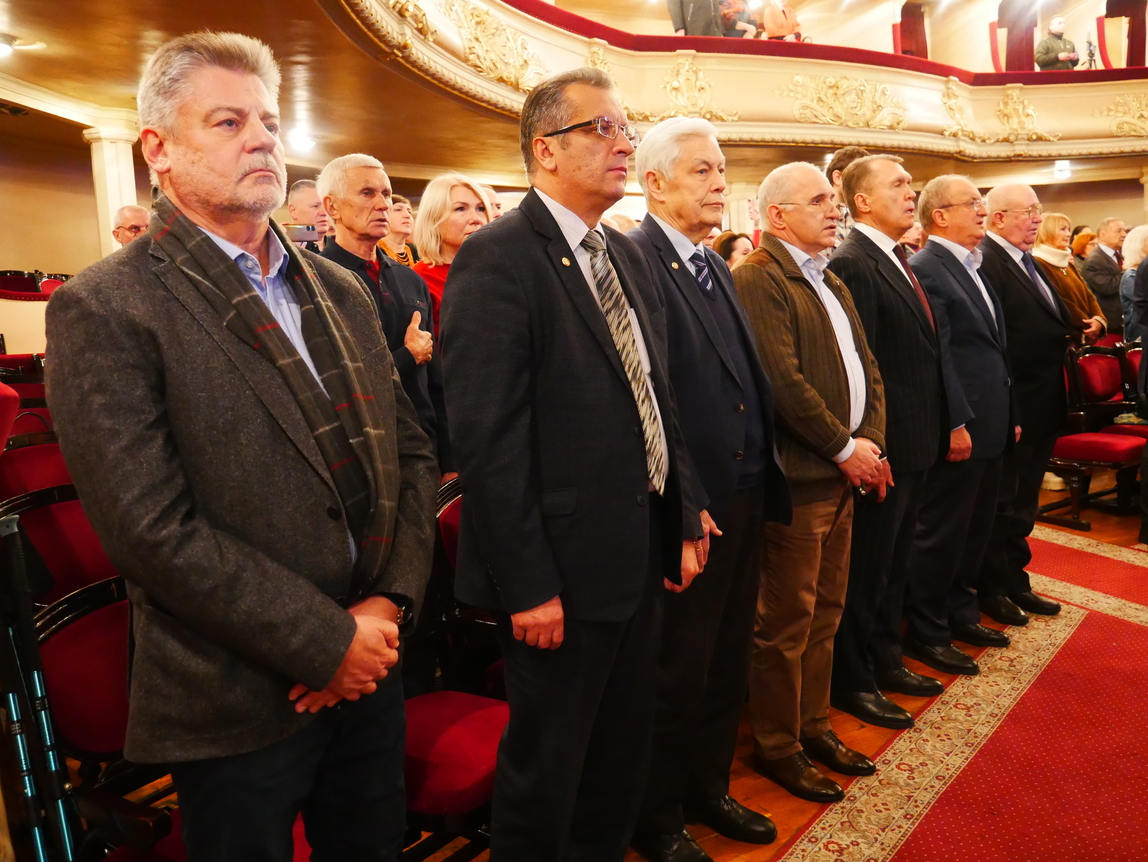
At the beginning of the meeting, those present honored with a minute of silence the memory of all Ukrainians who died as a result of Russian military aggression.
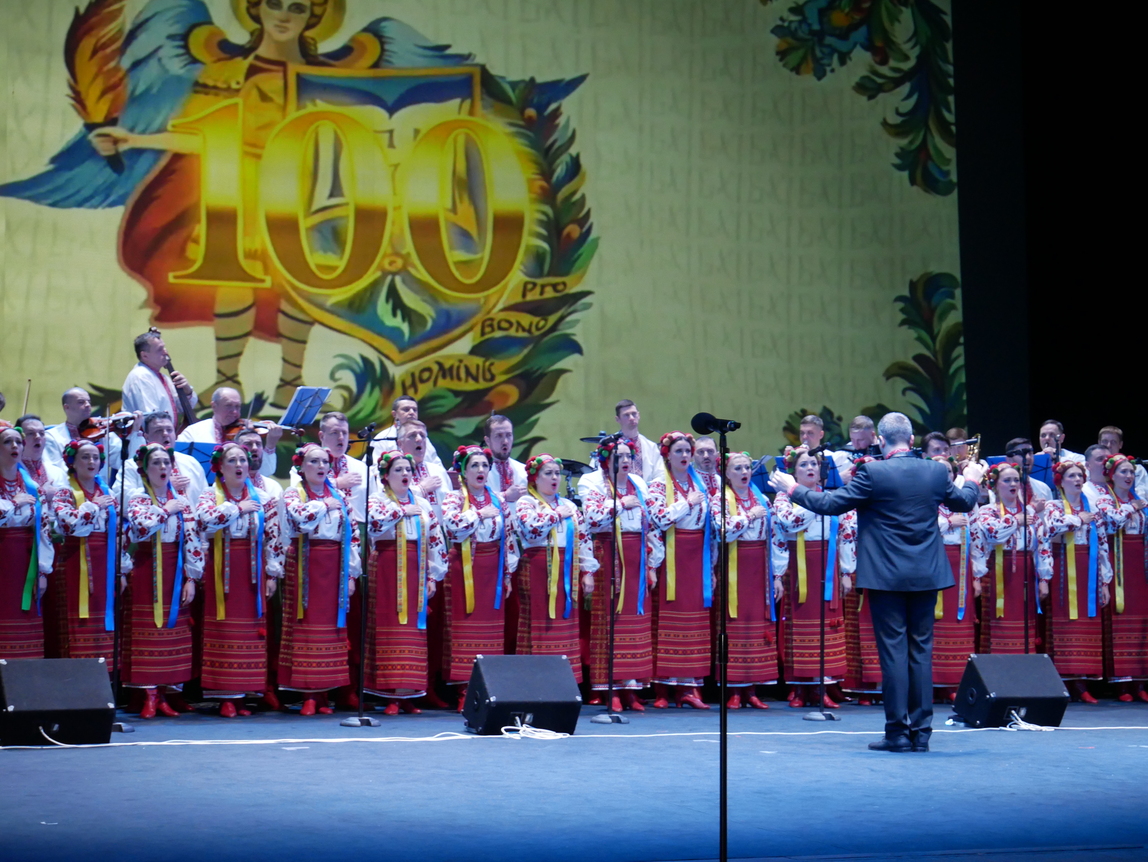
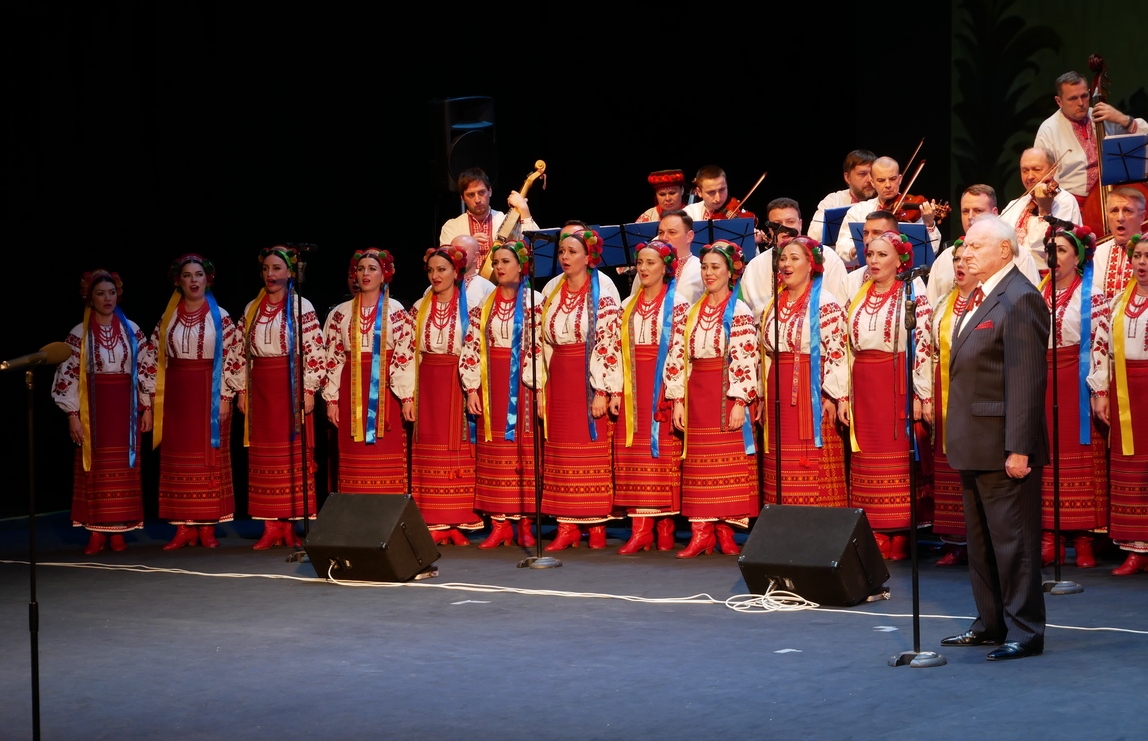
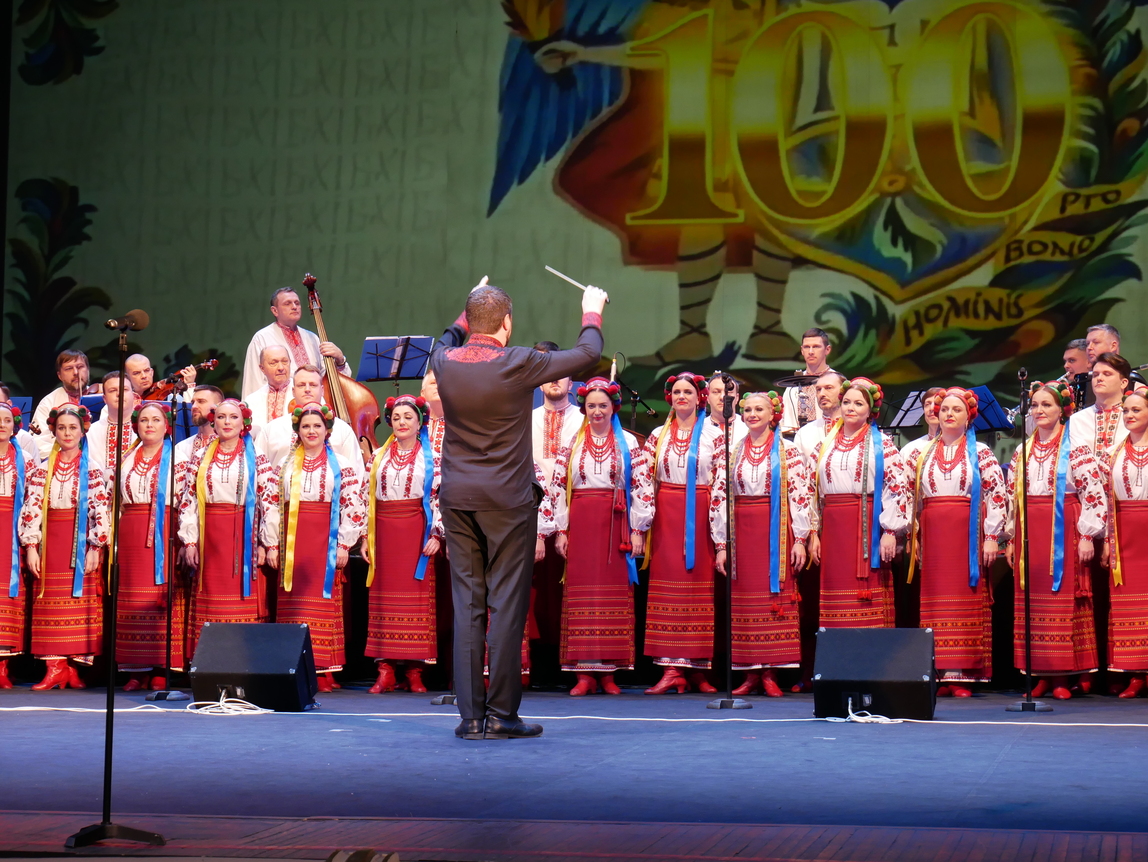
Next, the National Honored Ukrainian Academic Folk Choir named after Hryhoriy Veryovka (artistic director – People's Artist of Ukraine Igor Kuryliv) performed the State Anthem of Ukraine, the spiritual hymn "God Great and Only," and one of the musical symbols of Ukrainian resistance to Russian aggression – the song "Oh, the Red Viburnum in the Meadow."
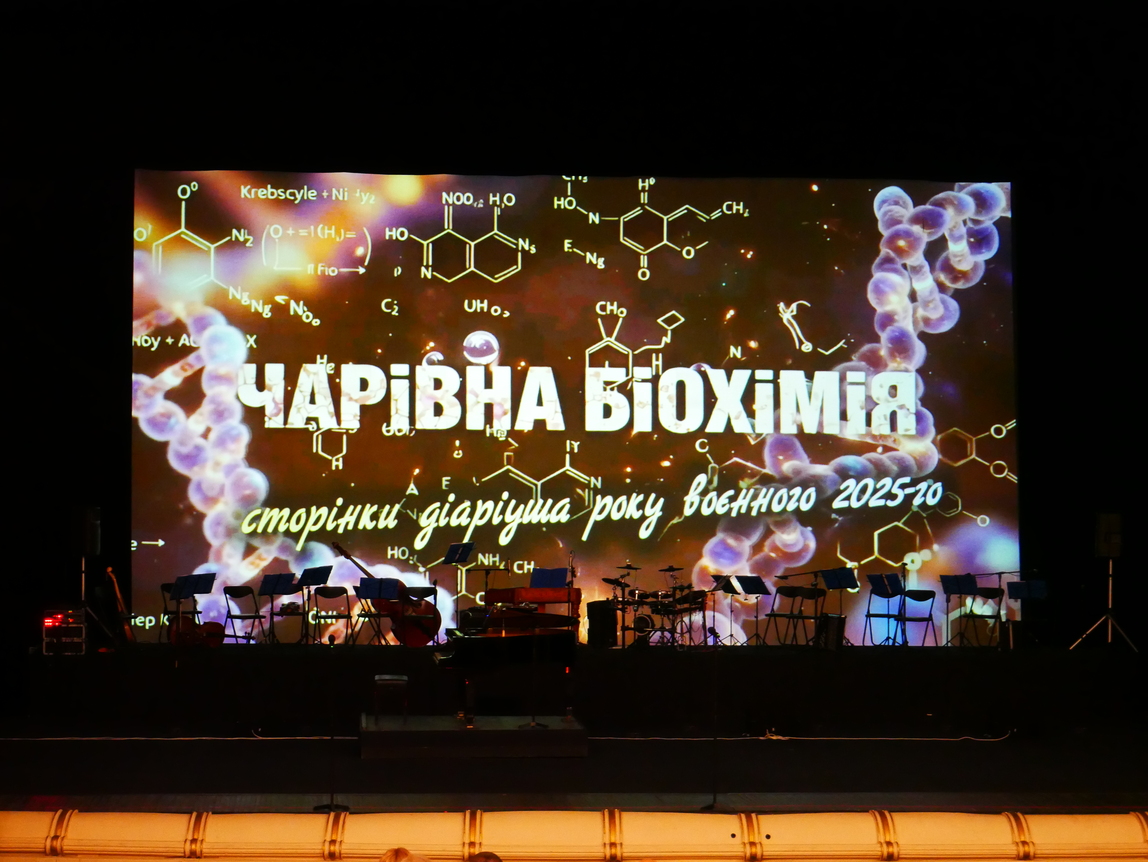
For the celebrations, the organizers created a short popular science film "Magical Biochemistry," dedicated to the main achievements of the O.V. Palladin Institute of Biochemistry of the NAS of Ukraine over its century of existence and the most outstanding scientists associated with this academic institution, including the founder and first director of the Institute, academician Oleksandr Palladin, who founded neurochemistry, i.e., the biochemistry of the nervous system. The historical overview was presented by the current director of the Institute, academician Serhiy Komisarenko, who also spoke about how the Institute studied the effects of radiation on the immunity of Chernobyl Nuclear Power Plant workers, created two prototypes of vaccines against coronavirus disease, and developed hemostatic agents for civilian and military medicine.
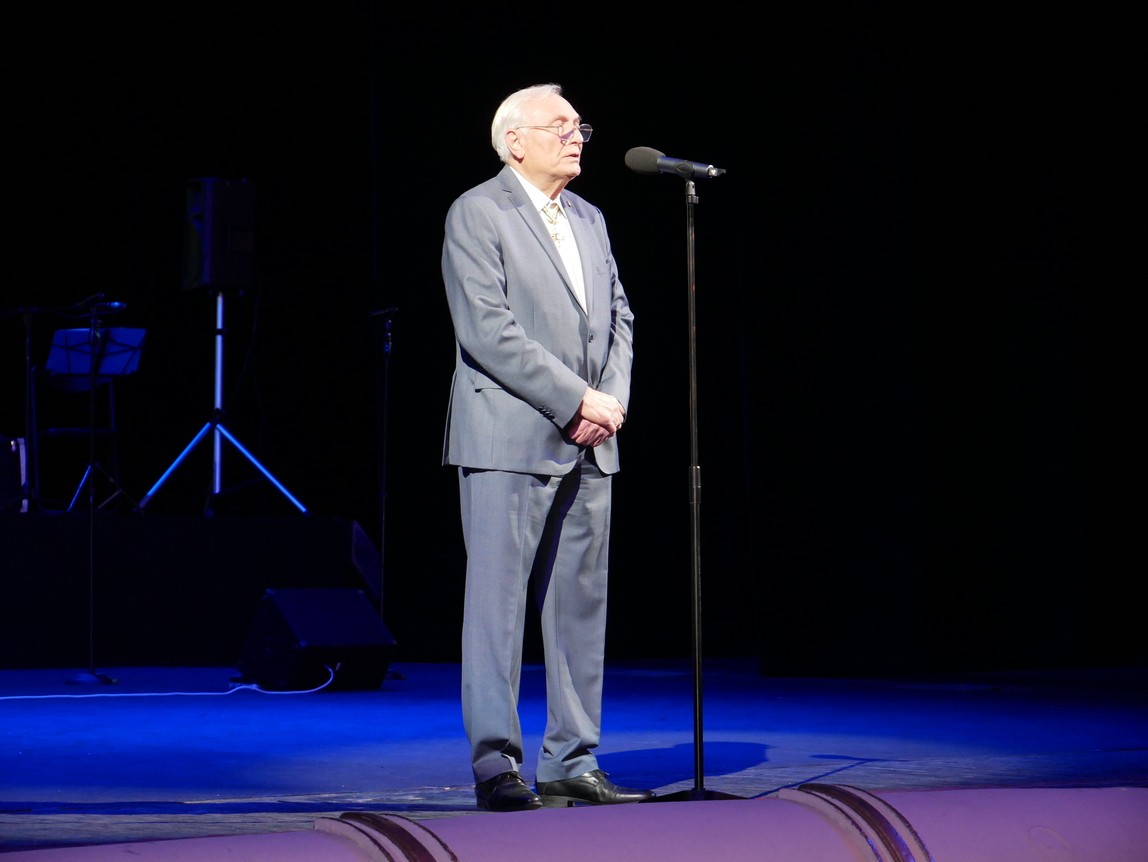
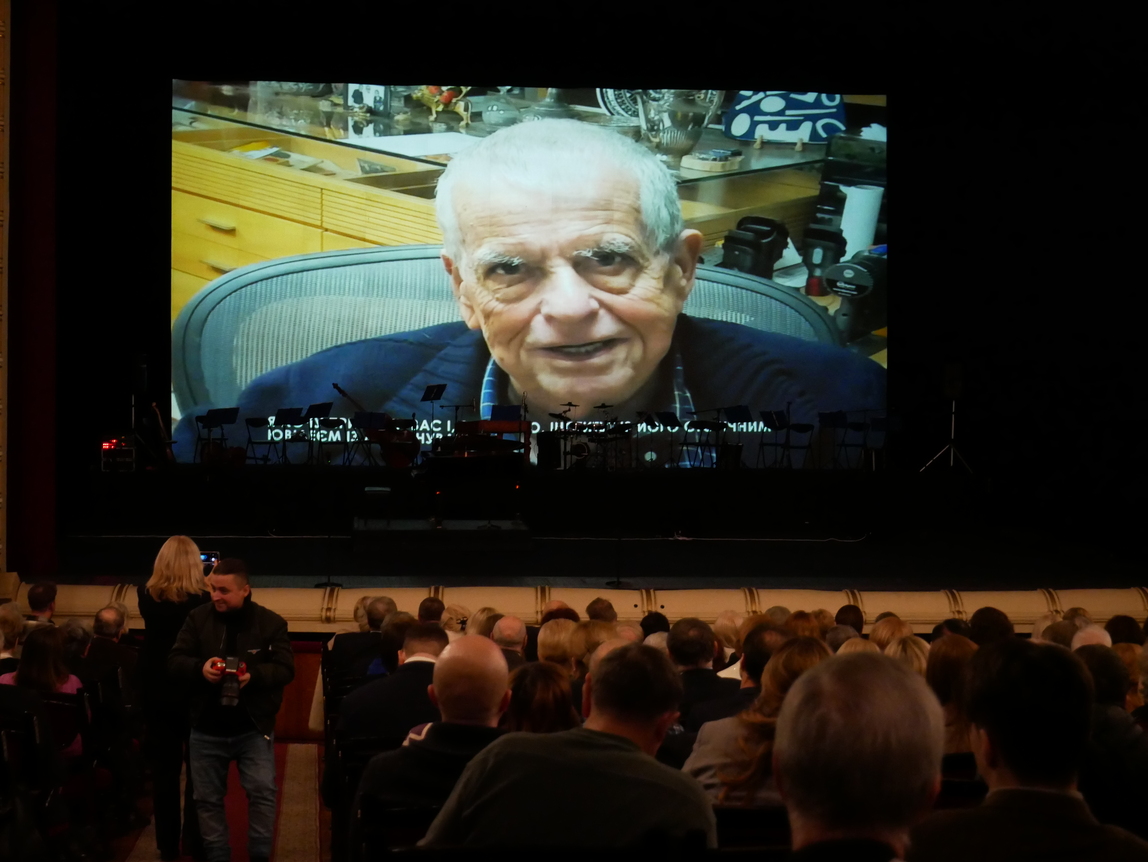
Academician Serhiy Komisarenko addressed the anniversary guests live: "Dear employees of the Institute of Biochemistry, esteemed guests, today we are celebrating a somewhat unique anniversary: not many institutes of the National Academy of Sciences of Ukraine have a hundred-year history.
I have worked all my life at the National Academy of Sciences of Ukraine. It is a unique organization. It is unique because it is multidisciplinary. Ultimately, the rebuilding of Ukraine, which requires a multidisciplinary approach and planning, I believe can be ensured almost exclusively by the National Academy of Sciences of Ukraine. Both the Academy and scientific work provide the opportunity to have freedom. Freedom of labor, freedom of thought. This sense of freedom among scientists is extremely important because it ensures breadth and freedom of perspective, freedom of search.
I have been engaged in science for 60 years – with a break for government work and diplomatic service. This is the largest part of my life. In their work, scientists have several tasks. Obviously, the main task is the search for new knowledge. That is number one.
Number two: if you are a scientist, if you are a specialist in the field of science you are engaged in, you must use your knowledge and act as an expert for the benefit of the country in which you work. We try to do this. Our Institute, by the way, has always been distinguished by the fact that, in addition to fundamental science, it also applied its results for the benefit of both science itself and people. This is written on our emblem: "Pro bono humanum." Historically, the Institute of Biochemistry, founded in the 1920s, dealt with the most pressing issues at the time: human health, nutrition, vitamins. Later, knowledge and research expanded – the Institute began to study protein structure, their biosynthesis, the structure of membranes surrounding organelles in cells or the cell itself. Ultimately, the Institute became one of the leading institutions in the life sciences. My friend and colleague Aaron Ciechanover generally considers biochemistry the main, central science among the life sciences, with others being related to it or derived from it, such as molecular biology and cell biology.
So, the first is the search for new knowledge, the second is their application for the benefit of the country. The third is pedagogical work, training young scientists, preparing the next generation of researchers. And there is a fourth – spreading knowledge about science to society. Our Ukrainian society knows little about science and little about what Ukrainian scientists do. And this does not help us when the parliament votes on science funding. Modern science requires quite substantial funding. But still, we hope that our society will know more about the science conducted at the National Academy of Sciences of Ukraine – the main scientific organization of our country. And that science allows us to have freedom.
I wish all of you and your families good health and great happiness. And, of course, to all of us – the fastest and fullest victory over the insidious enemy!" said academician Serhiy Komisarenko and thanked all friends of the Institute who helped organize the celebration of the institution's great anniversary.
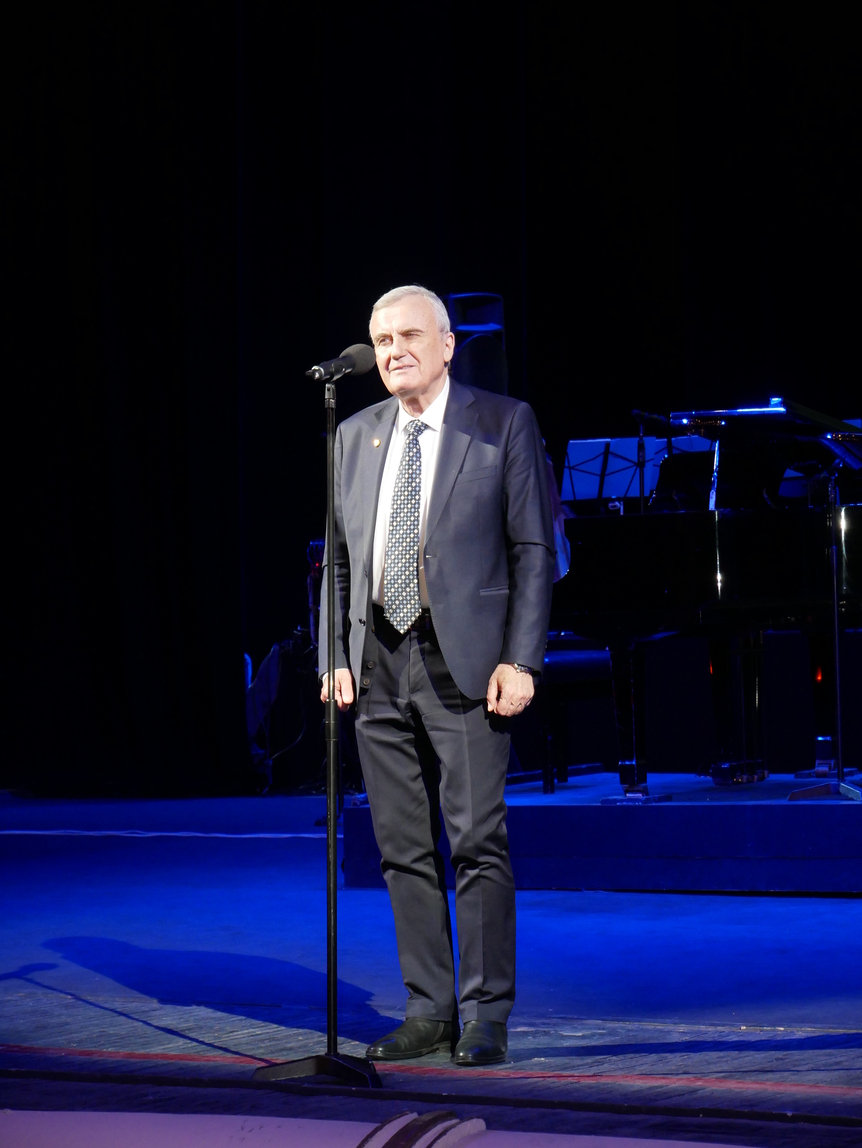
The President of the National Academy of Sciences of Ukraine, academician Anatoliy Zahorodniy, also gave a congratulatory speech: "Distinguished ladies and gentlemen, esteemed colleagues, dear friends, it is a great honor and pleasure for me to congratulate you on the centenary of the glorious Olexandr Volodymyrovych Palladin Institute of Biochemistry on behalf of the National Academy of Sciences of Ukraine.
Over one hundred years, the Institute has survived World War II, including evacuation, and the difficult 1990s with extremely limited funding for scientific research. Currently, it operates – and operates very well – during this bloody Russian aggression against Ukraine.
The main merit of the Institute lies in its scientific achievements. And there are many. These achievements are undoubtedly of the highest world level. They concern the elucidation of metabolism mechanisms and its regulation, neuroimmunology, molecular biology, nanobiotechnologies, and much more. And again, these are results of a very high level that establish Ukraine as a country with a high level of fundamental science.
I thank the staff of the Institute of Biochemistry for their tireless and mostly dedicated work on scientific research. The Institute undoubtedly owes its achievements to its founder – the outstanding biochemist Oleksandr Volodymyrovych Palladin – and a great number of outstanding scientists. Certainly, a kind word must be said about the current director of the Institute – academician Serhiy Vasylovych Komisarenko, who has led the Institute for almost 28 years. And successfully leads it.
The Institute now does a lot for the military, strengthening the defense and security of the state, including biosecurity. It is one of the main institutes providing advisory services on this issue. It is hard to imagine the National Academy of Sciences without the Palladin Institute of Biochemistry.
Once again, I warmly congratulate the entire staff of the Institute, all employees, and everyone present in the hall on this remarkable event in the scientific life of Ukraine. I sincerely wish everyone well-being and health, family comfort, great success, and, of course, a just and swift victory of Ukraine over the bloody aggressor. Long live the Institute of Biochemistry. Glory to Ukraine!"
The congratulation from the Office of the President of Ukraine to the staff of the O.V. Palladin Institute of Biochemistry of the NAS of Ukraine was announced to the participants of the ceremony by academician Serhiy Komisarenko. "Dear friends! We sincerely congratulate you on the 100th anniversary of the founding of your Institute! Over the century, powerful scientific schools have been formed here, world-class discoveries have been made, generations of scientists have been trained who have worked and continue to work for the future of our country. Among them is Oleksandr Palladin, whose name has become a symbol of Ukrainian biochemistry and whose work is continued today with the same responsibility and depth. The results of your research are known far beyond Ukraine. They are applied in medicine, biotechnology, pharmacology, agriculture, and environmental protection. Especially important is that in wartime your developments help save lives, support military medicine, and strengthen the resilience of our state. You have proven that Ukrainian science is strong, competitive, and capable of responding to the most complex challenges of our time. It is thanks to teams like yours that Ukraine maintains its intellectual sovereignty. On this solemn day, we thank each of you for your dedication, professionalism, and faith in Ukraine. We wish the team new discoveries, scientific breakthroughs, grateful students, and worthy recognition worldwide! Glory to Ukraine!" – this was stated in the greeting.
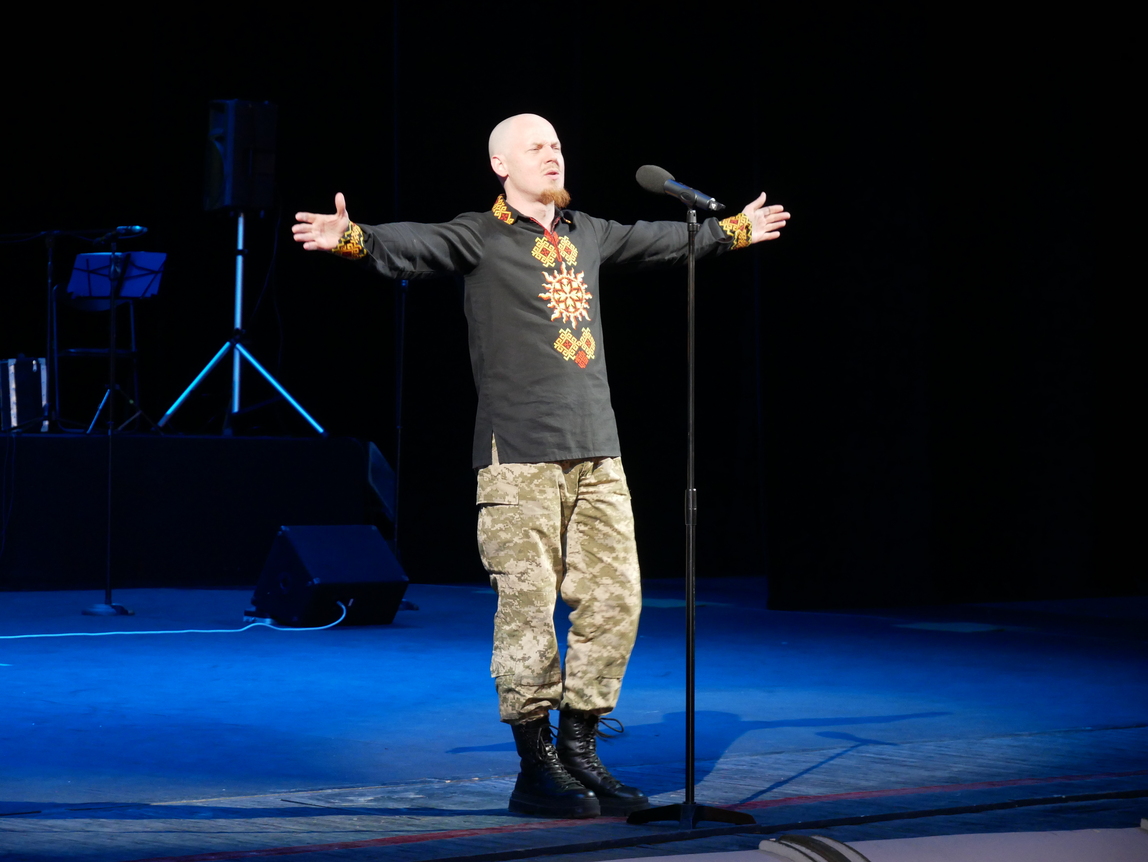
Two extremely inspiring songs with a strong fighting spirit – "Country of Freedom" and "Sword of Areya" – were performed by Serhiy Vasilyuk, leader of the band "Shadow of the Sun" and pilot of the strike drone company "Viry" of the 241st Territorial Defense Brigade of the Armed Forces of Ukraine. Interestingly, the lyrics to the first of these compositions, written by Rudyard Kipling, were translated by the deputy director of the O.V. Palladin Institute of Biochemistry of the NAS of Ukraine, Doctor of Biological Sciences Volodymyr Chernyshenko. "I am glad to greet you, noble company, on such a magnificent anniversary. I am happy that we can celebrate it in such a magnificent hall, and most importantly – in our unconquered Kyiv, in our Ukrainian capital under the blue and yellow flag, at home. Ladies and gentlemen scientists, thanks to you we are a country of freedom," said the serviceman and thanked the scientists for their new effective inventions that help save the lives of Ukrainian defenders during the war.
With poetic gifts for the anniversary evening came the laureate of the Taras Shevchenko National Prize of Ukraine, People's Artist of Ukraine, Hero of Ukraine Anatoliy Palamarenko. The artist recited a modernized version of Pavlo Tychyna's poem "I Assert Myself" and one of Pavlo Hlazovyi's humorous poems.
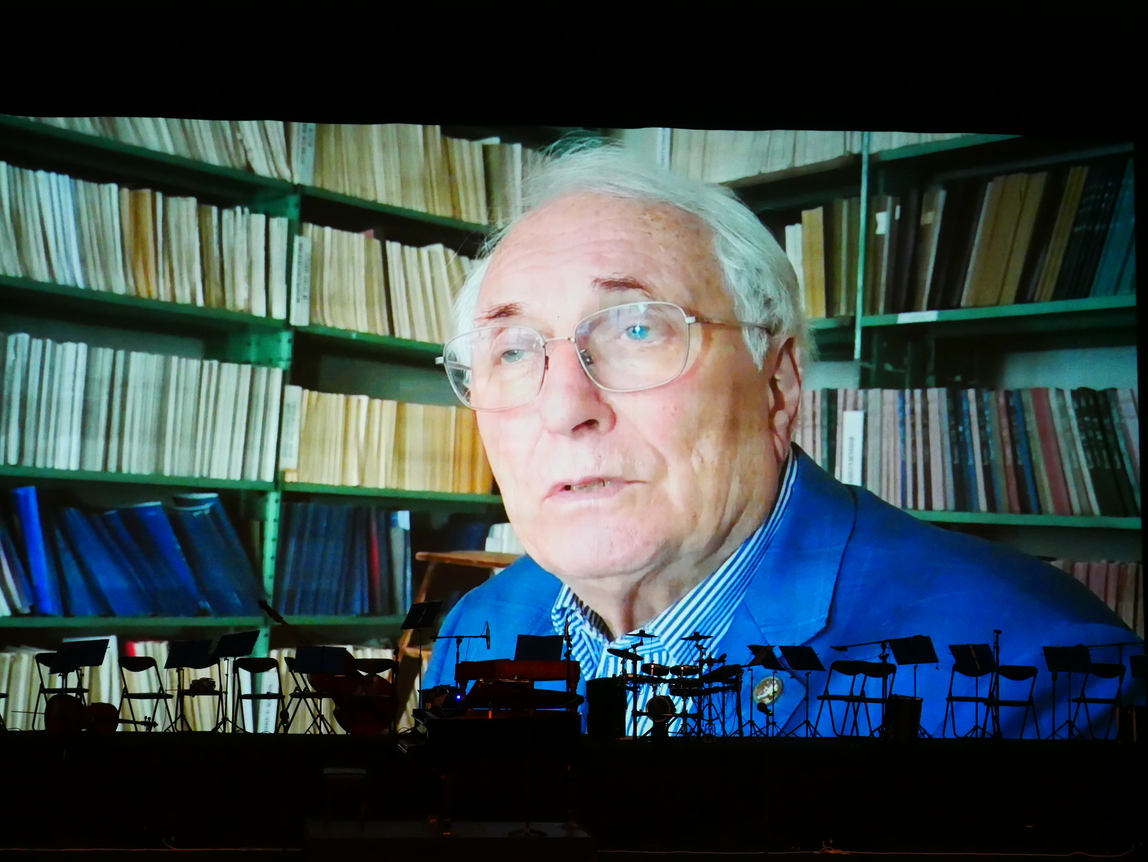
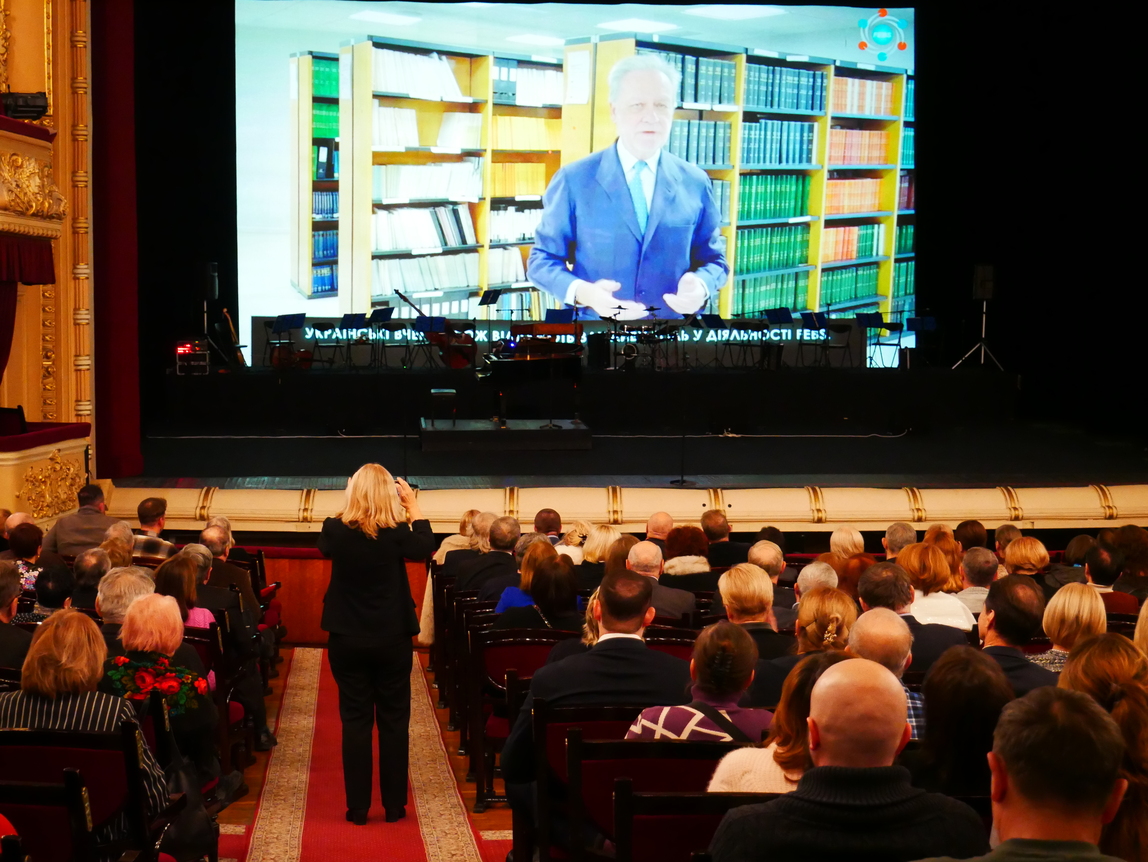
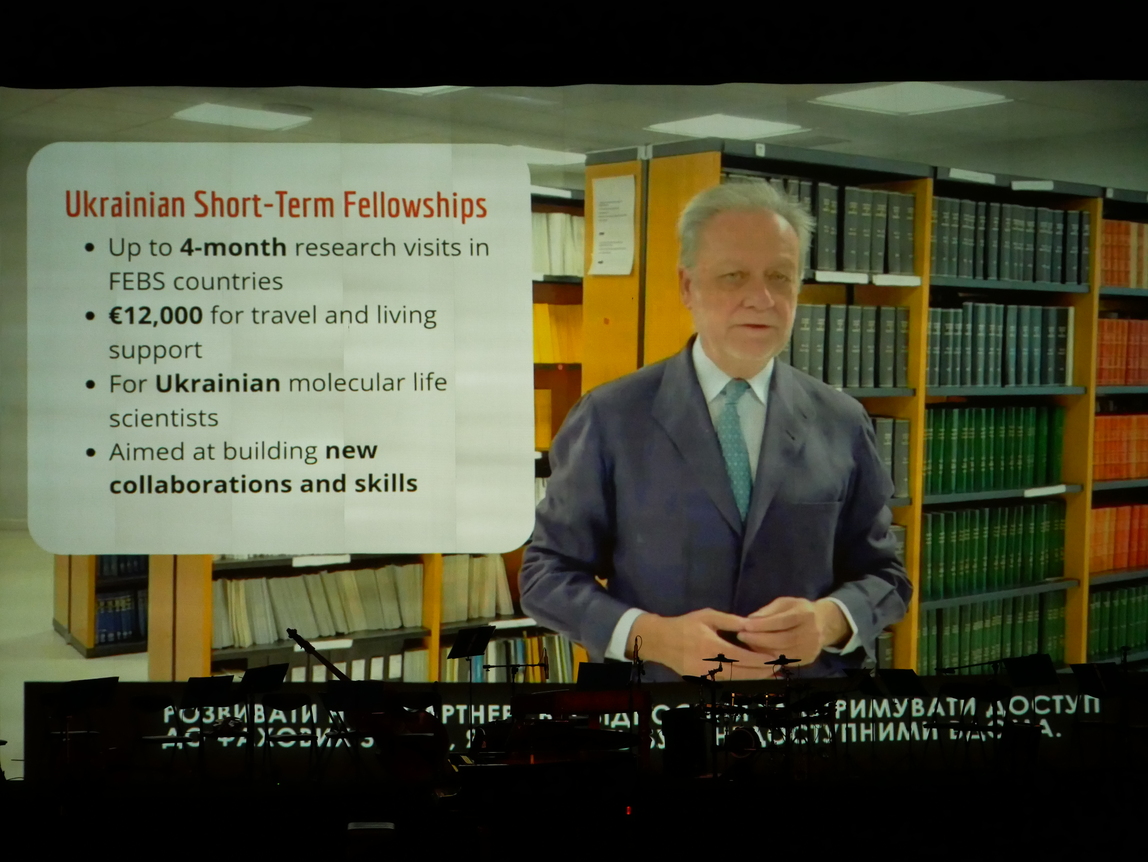
The guests of the event were shown three video greetings on the occasion of the anniversary of the Institute of Biochemistry – from the Secretary General of the Federation of European Biochemical Societies, Professor Miguel de la Rosa, from the first Israeli Nobel laureate and foreign member of the NAS of Ukraine, Professor Aaron Ciechanover, as well as from Ukrainian polar explorers currently on an expedition at the Antarctic station "Akademik Vernadsky."
A duet of young performers from the Kyiv Municipal Academy of Music named after Glière (Sophia Khalak and Oleksandr Brychok) performed the famous romance "Willow Cats" (lyrics by Vadym Kryshchenko to music by Oleksandr Zlotnyk) and their own original song.
The highlight of the evening was a grand performance by the incomparable Ukrainian opera diva, laureate of the Taras Shevchenko National Prize of Ukraine, holder of the President of Ukraine's award "National Legend of Ukraine," People's Artist of Ukraine Lyudmyla Monastyrska. The participants of the ceremony enjoyed her rendition of the aria "Casta Diva" from Vincenzo Bellini's opera "Norma," Franz Schubert's "Third Song of Ellen" ("Ave Maria"), and the song "Sunny (Mother sowed the sun)" (lyrics by Borys Oliynyk to music by Volodymyr Tylik). The pianist Yulia Yashchenko accompanied the singer. Accompanied by the musicians of the National Honored Ukrainian Academic Folk Choir named after Hryhoriy Veryovka, Lyudmyla Monastyrska performed "…".
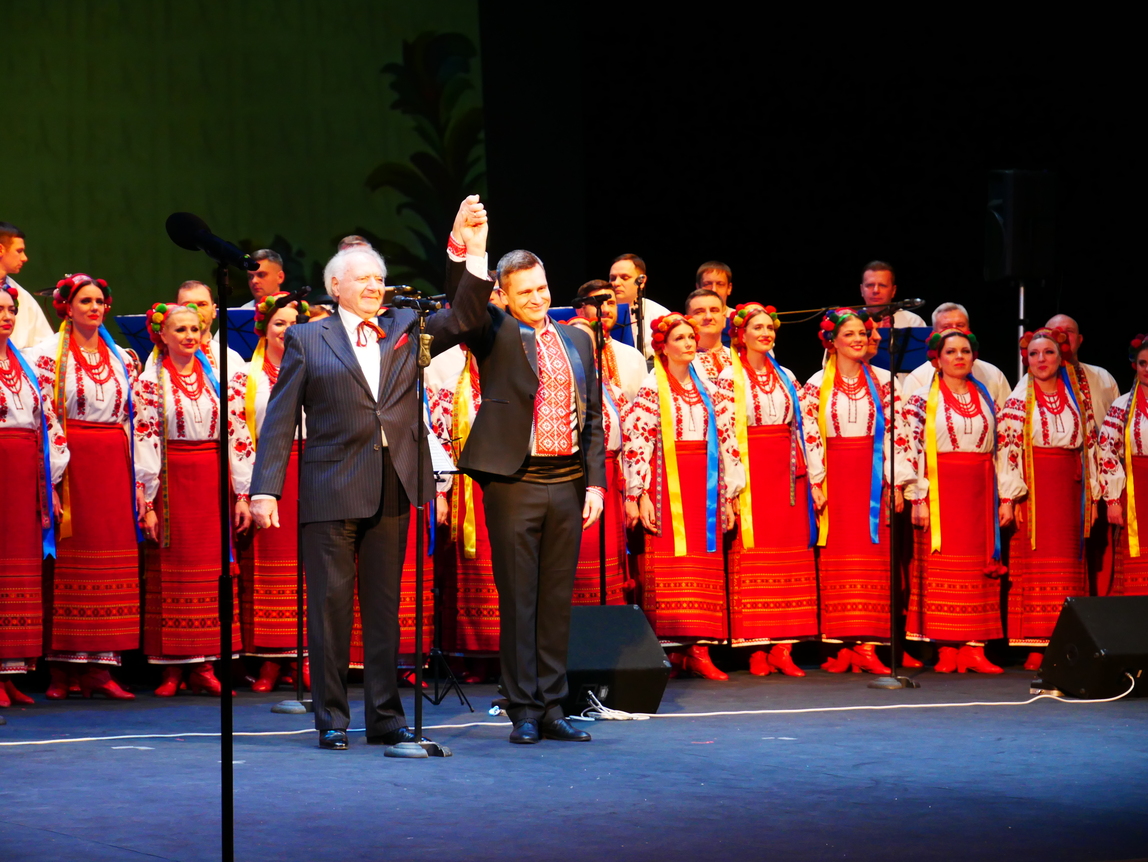
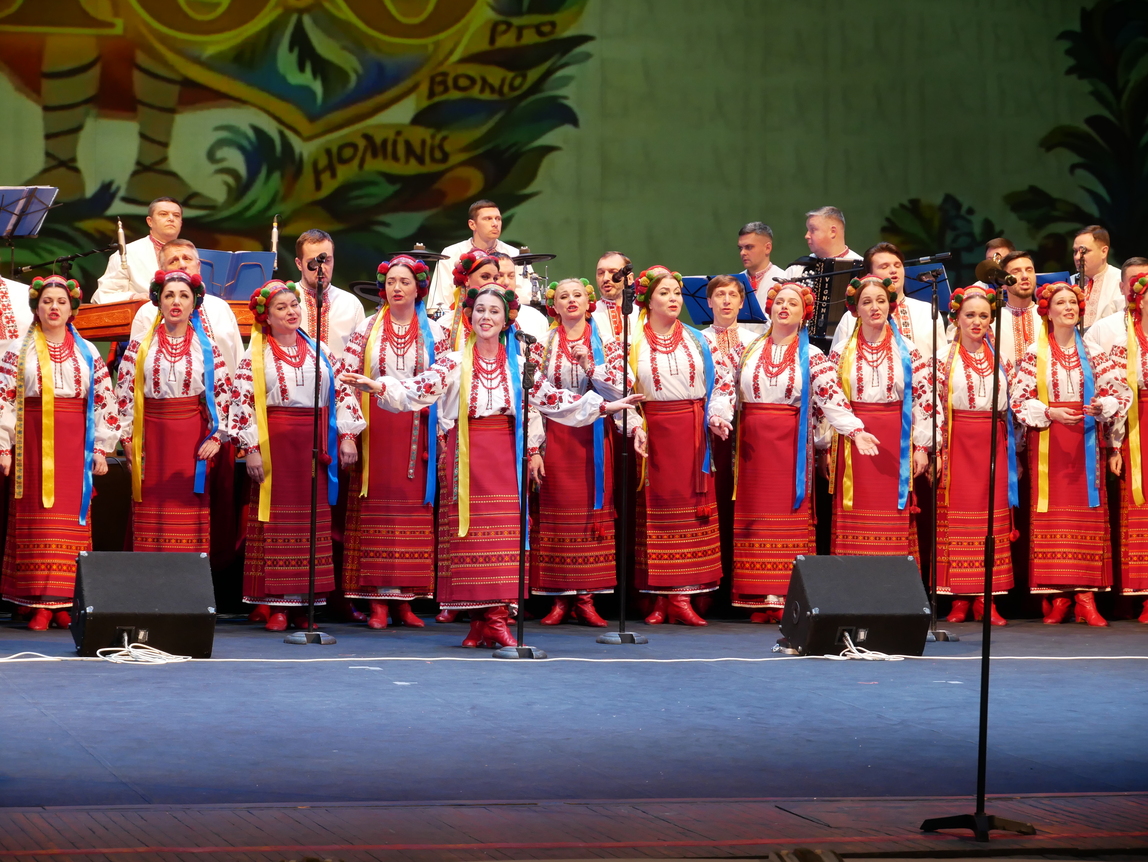
At the end of the concert, the National Honored Ukrainian Academic Folk Choir named after Hryhoriy Veryovka sang "The Wide Dnipro Roars and Groans," and Anatoliy Palamarenko recited Shevchenko's "Kholodnyi Yar."
The choir voices also performed the world-famous Ukrainian "Shchedryk" and – symbolically – "Ode to Joy" in German and Ukrainian (as is known, this Beethoven composition is the anthem of the European Union).
At the conclusion, the artists and audience together wished the Institute of Biochemistry "Many Years."
We join in the congratulations!
Video recording of the ceremony
Photo report by the popular science educational channel "Academ.media"
Information from the O.V. Palladin Institute of Biochemistry of the NAS of Ukraine
and the press service of the NAS of Ukraine
Photo: press service of the NAS of Ukraine