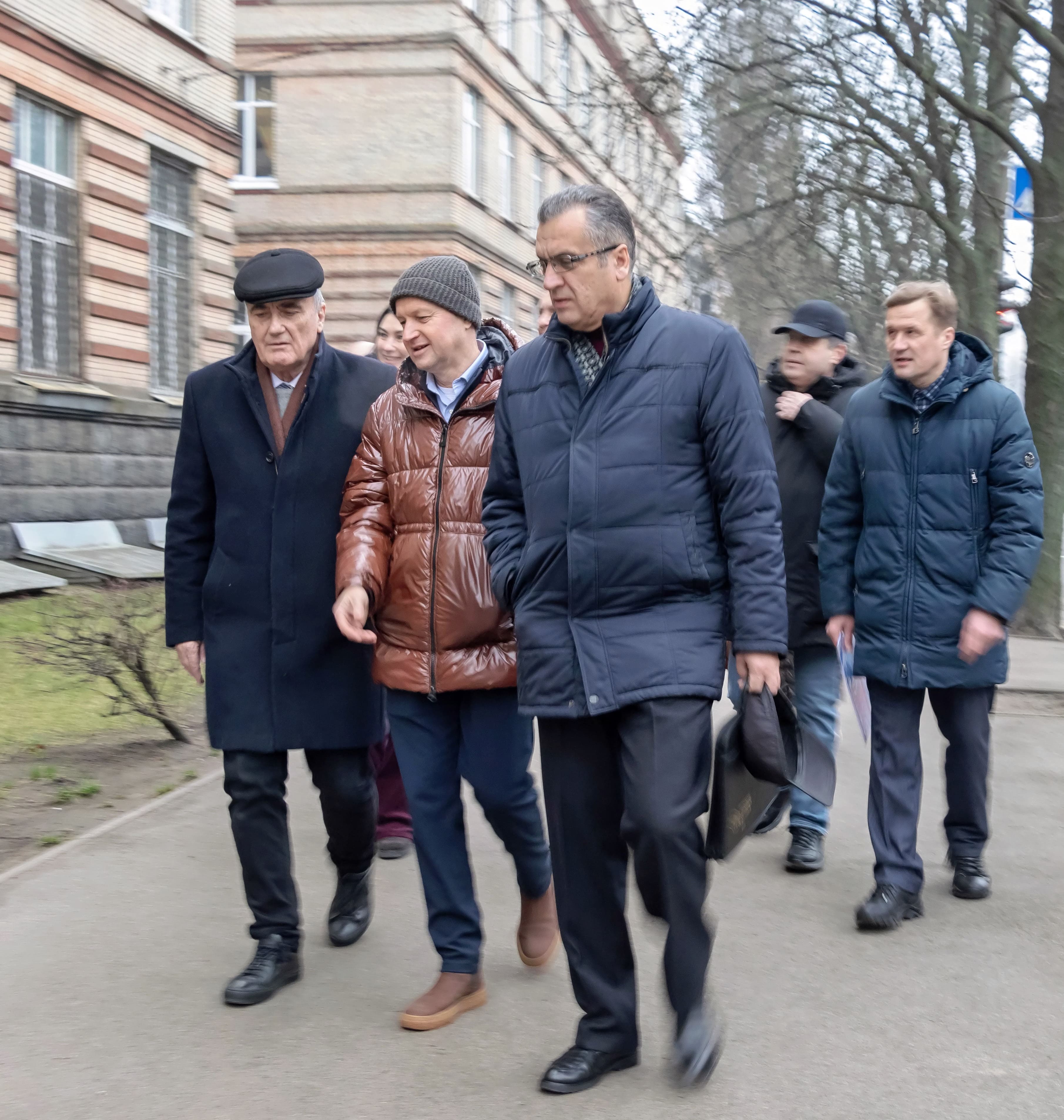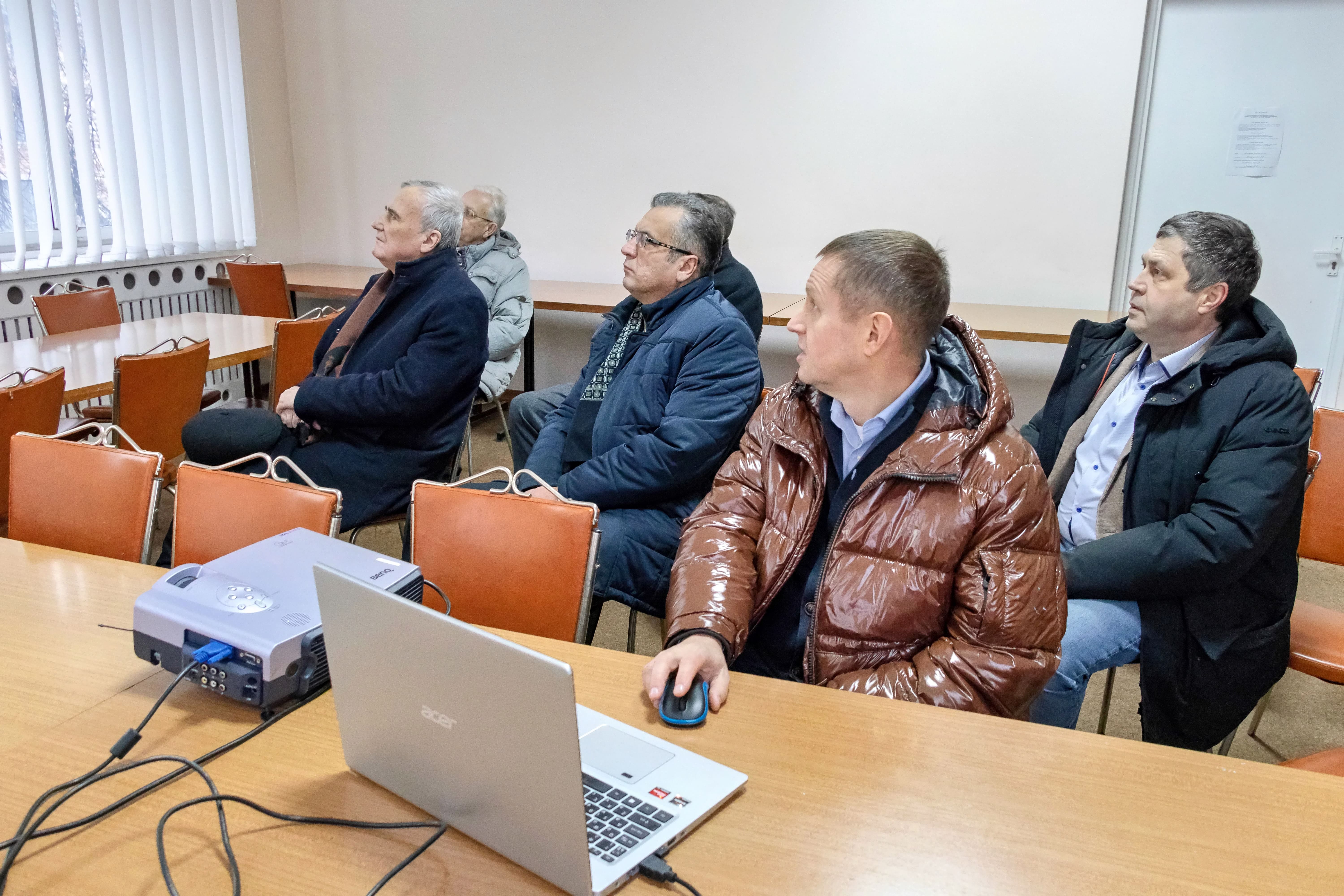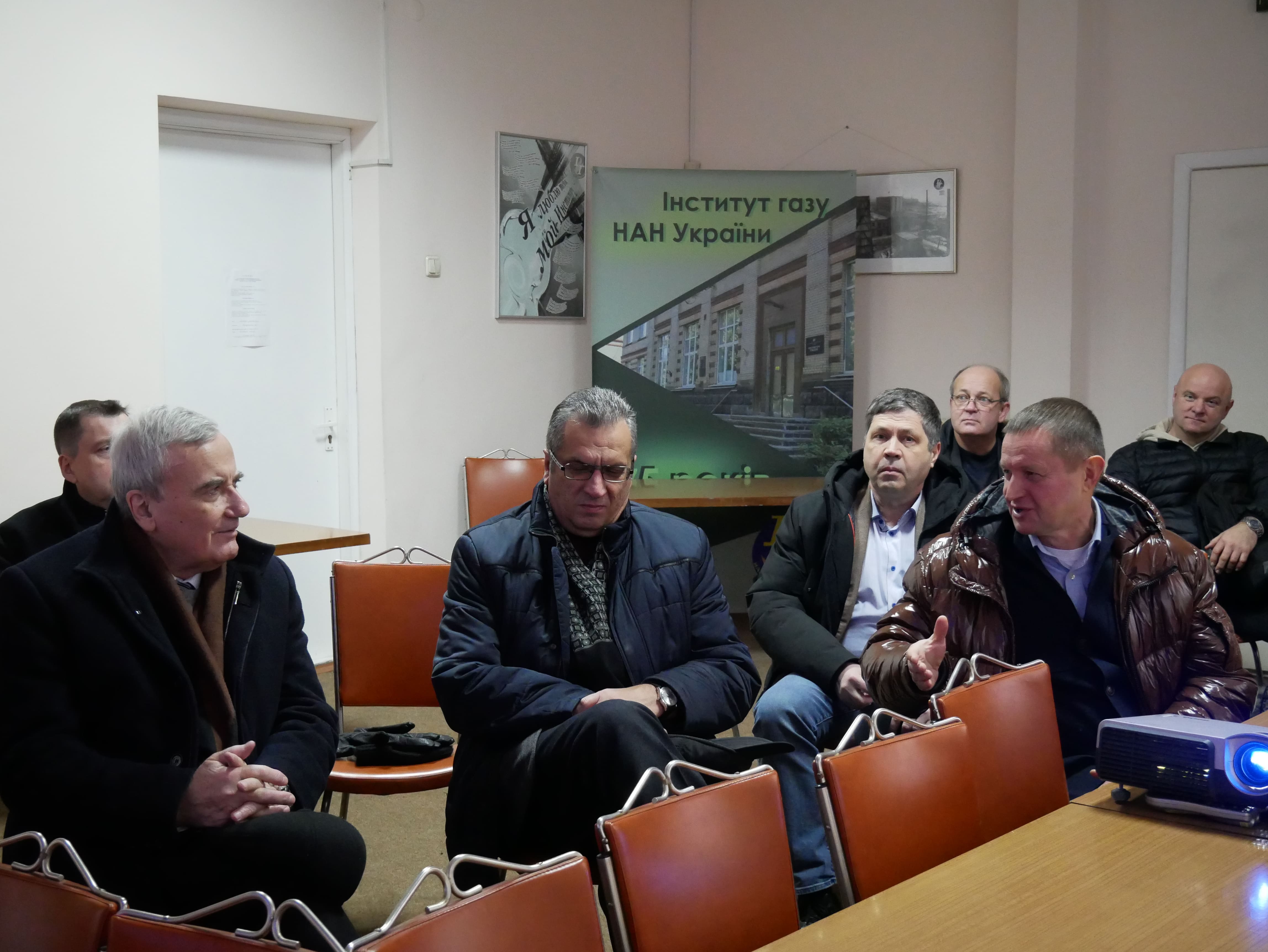
The Gas Institute of the NAS of Ukraine became the next stop of the working trip of the leadership of the National Academy of Sciences of Ukraine to the Academy's scientific institutions.
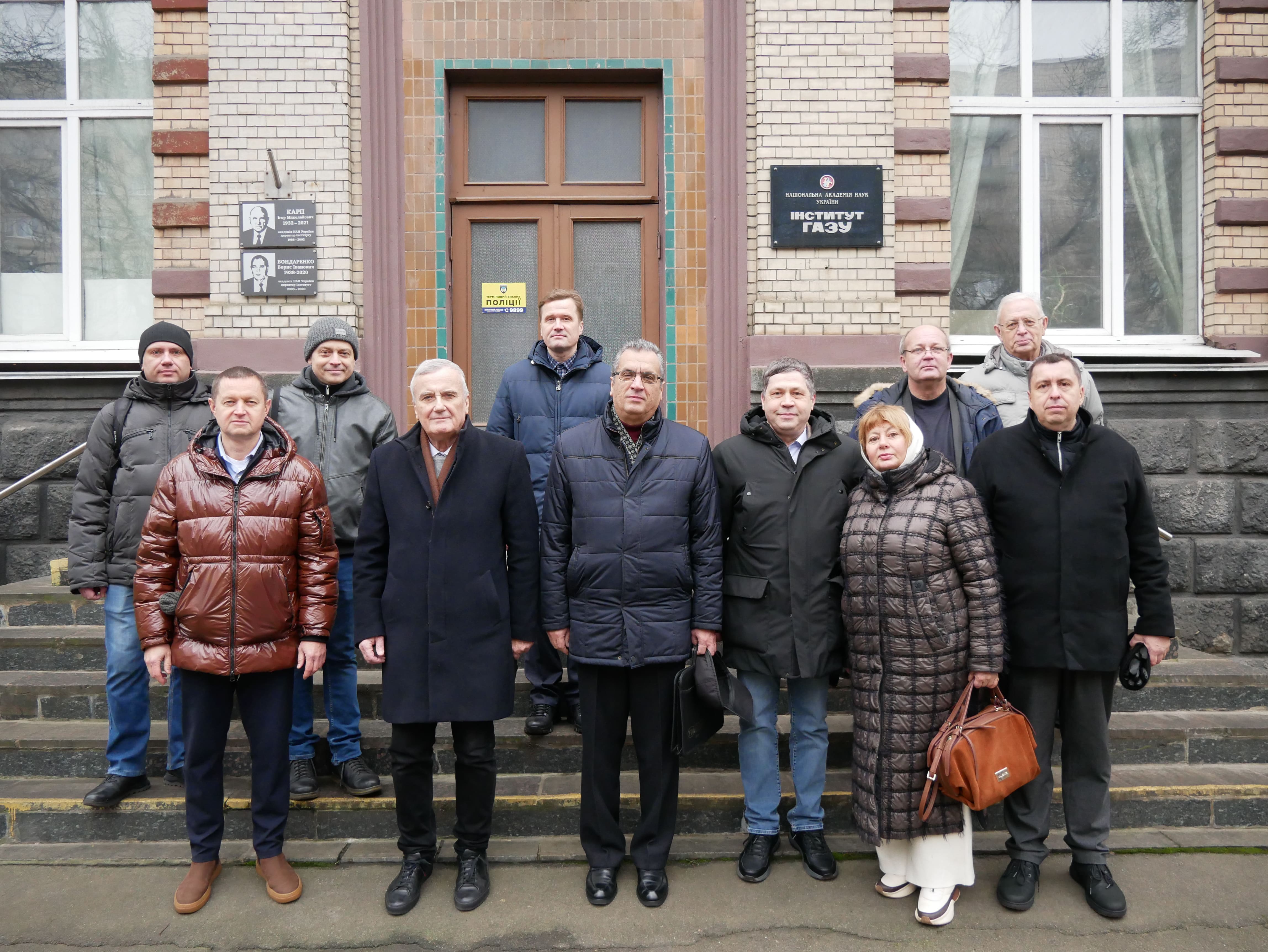
On December 19, 2025, the institution was visited by a delegation led by the President of the NAS of Ukraine, academician Anatoliy Zahorodniy, with the participation of the First Vice-President of the NAS of Ukraine, head of the Section of Physical-Technical and Mathematical Sciences, academician Vyacheslav Bohdanov, academician-secretary of the Department of Energy and Energy Technologies of the NAS of Ukraine, academician Andriy Rusanov, as well as representatives of the Presidium apparatus and the Department of Energy and Energy Technologies of the NAS of Ukraine.
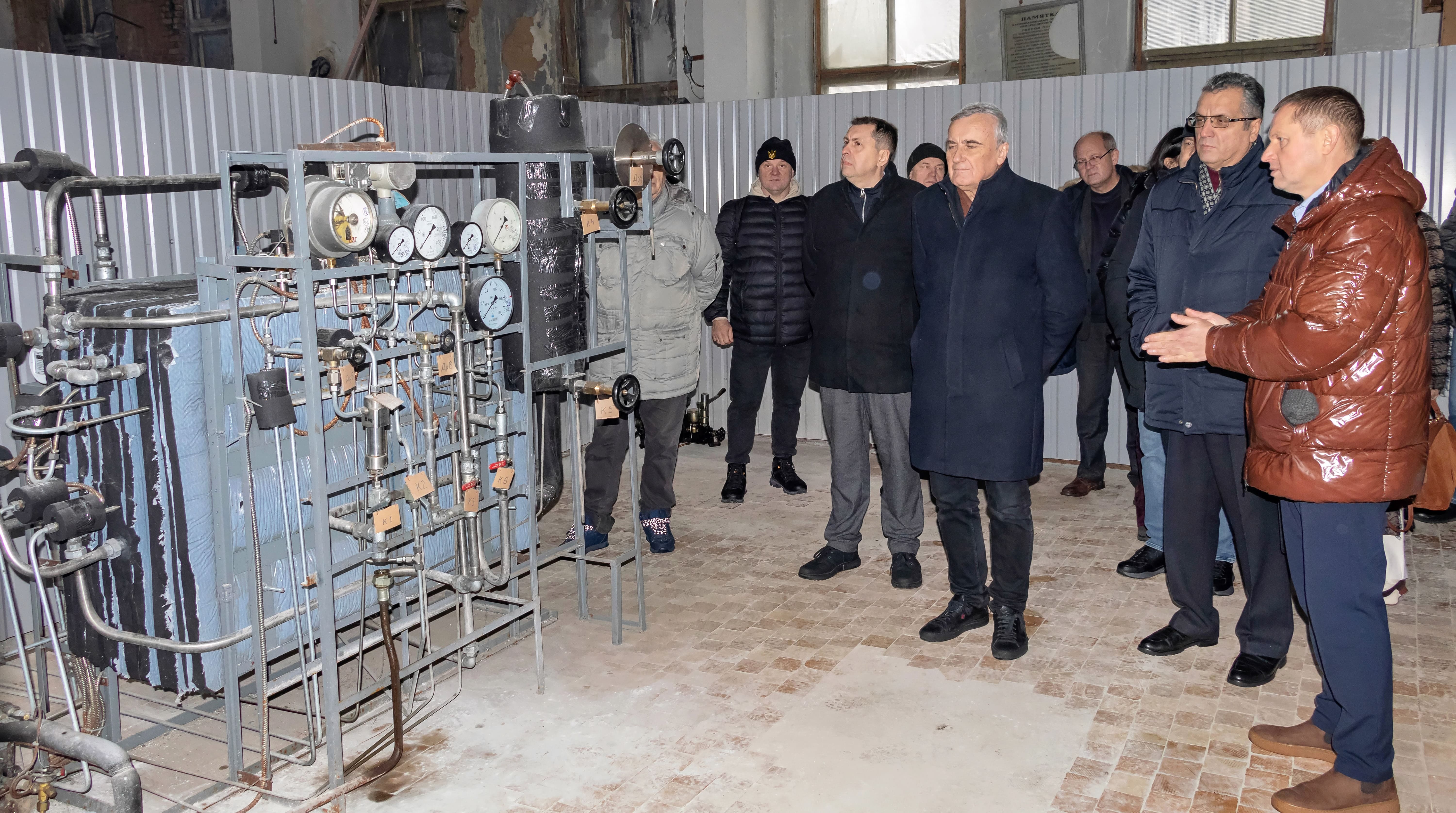
During the visit, attention was focused on the scientific and experimental base of the Institute, current research developments and practical achievements of the team, as well as on issues of further development of the institution within the NAS of Ukraine system.
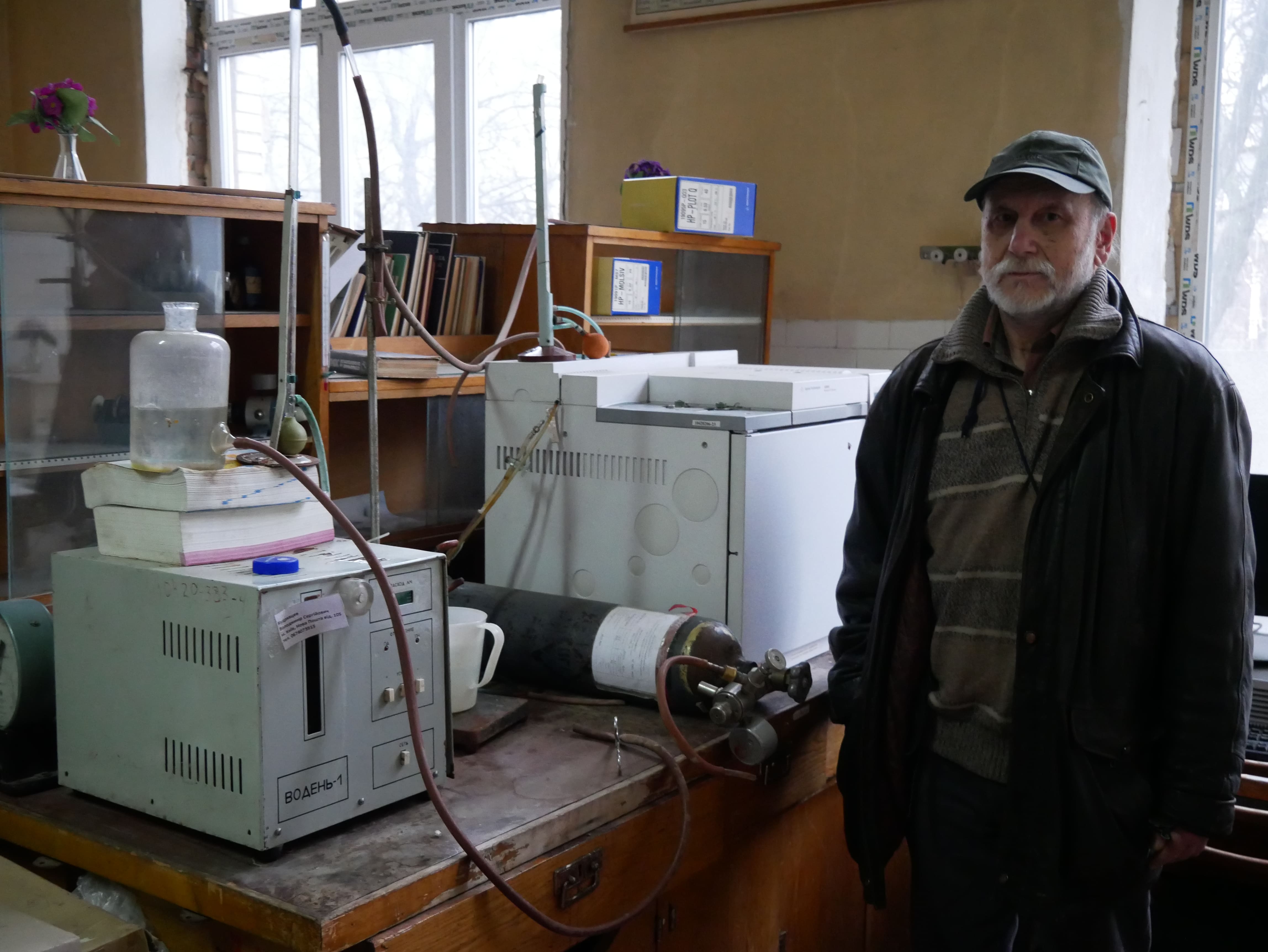
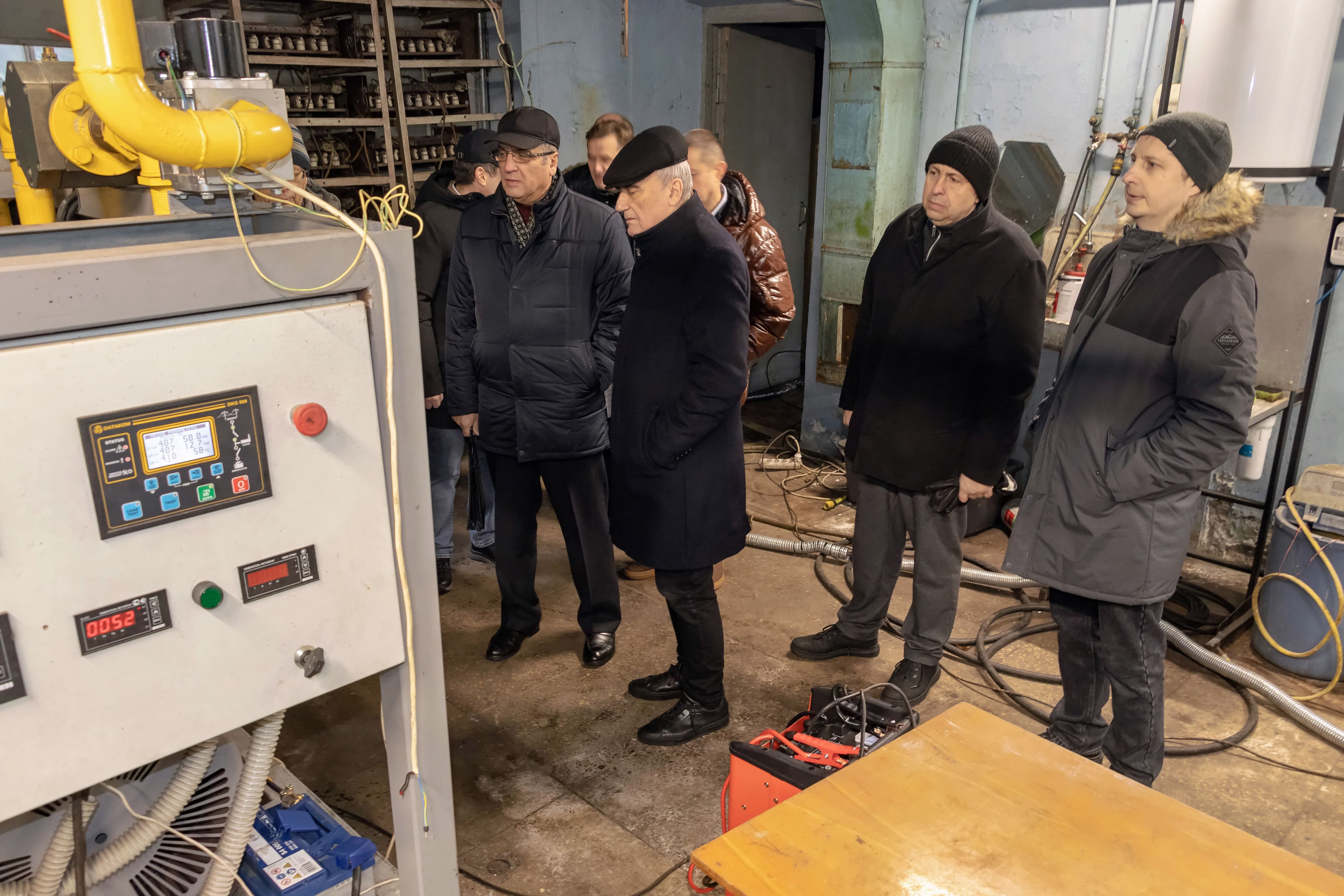
Within the framework of the working program, the Academy's leadership visited the laboratory and experimental units of the Institute, familiarized themselves with the scientific equipment and the topics of fundamental and applied research carried out at the Institute, discussed the institution's participation in NAS of Ukraine scientific programs, international and grant projects, the execution of economic contracts in the interests of industry and energy of Ukraine, as well as prospects for integrating the obtained results into national and international research initiatives.
The Director of the Institute, corresponding member of the NAS of Ukraine Hennadiy Zhuk, presented the structure of the institution, its scientific schools, personnel potential, and modern experimental capabilities, outlining key areas of activity and development prospects. He emphasized the importance of ensuring sustainable development of Ukraine through the effective use of traditional and alternative fuels, the introduction of new energy- and resource-saving technologies, as well as adjusting research topics considering the challenges related to the implementation of the European Green Deal and the conditions of full-scale Russian military aggression.
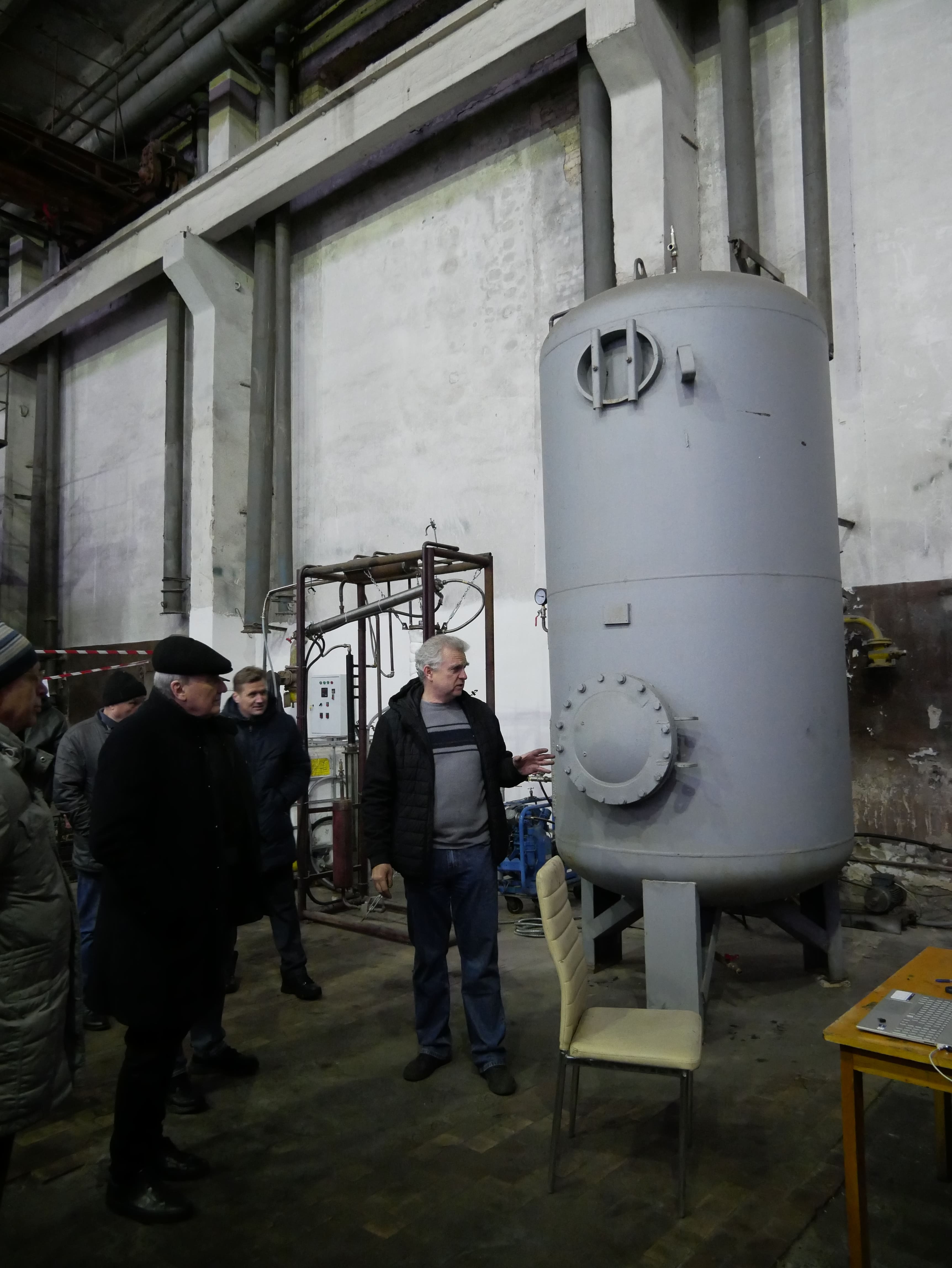
The delegation familiarized themselves with the work of the departments of thermochemical processes and nanotechnologies; gas technologies; thermal heterogeneous processes; alternative fuel technologies. Scientists presented the results of fundamental and applied research, in particular in the field of creating new technologies: obtaining carbon-based nanomaterials, including graphite purification technologies up to 99.95% purity within the framework of the international scientific and technical project GR4FITE3 under the HORIZON EUROPE program; developments in liquefaction of natural gas and its mixtures with hydrogen in a closed high-pressure throttling cycle; technologies for obtaining synthesis gas from waste for the production of synthetic motor fuels.
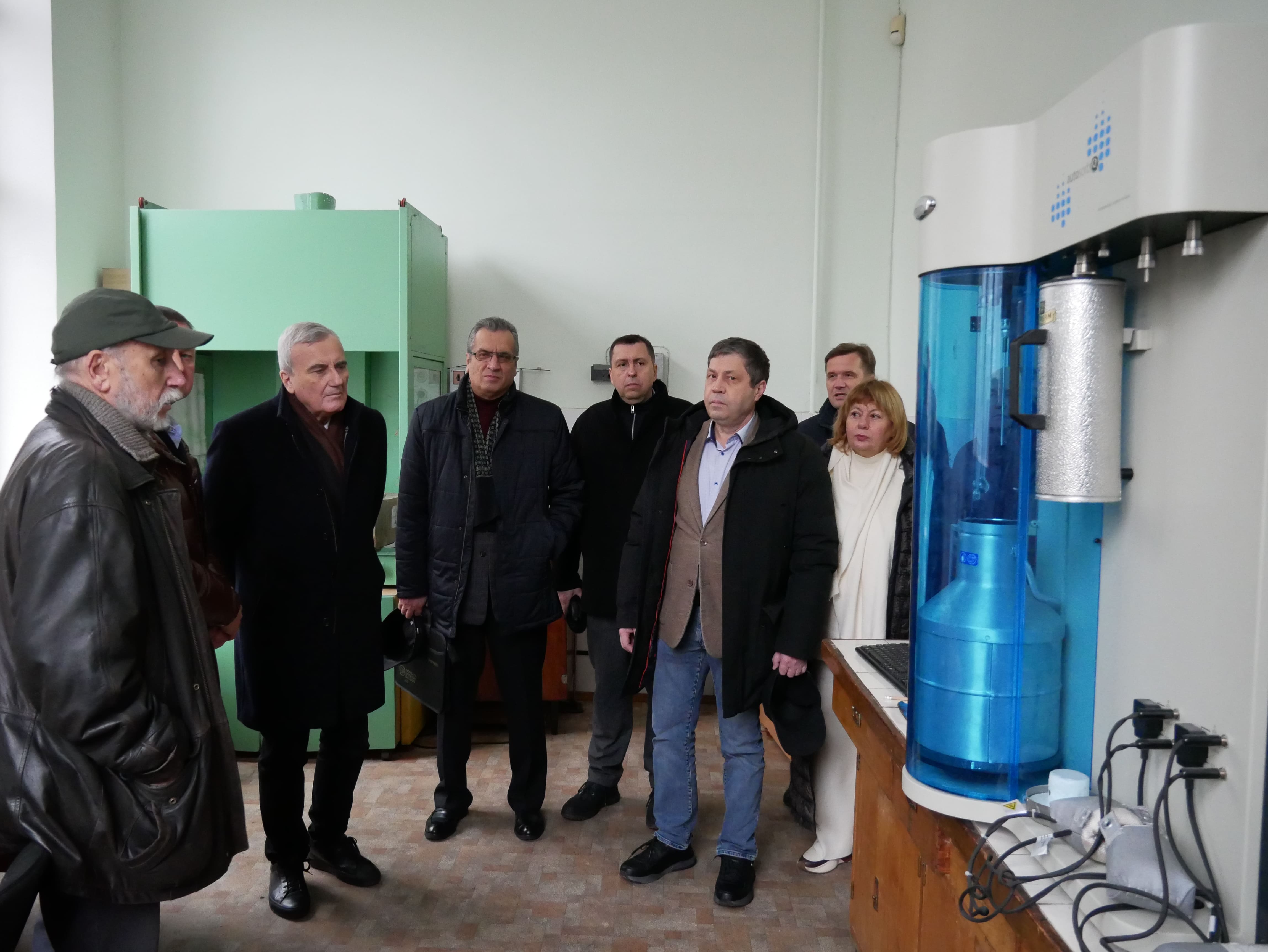
Special attention was paid to the Shared Use Center of the Gas Institute of the NAS of Ukraine "Gas Chromatography and Sorbometry," which operates based on the Agilent 6890N gas chromatograph (USA) and the Autosorb iQ micropore analyzer (Quantachrome Instruments, USA). Using this equipment, gas research is conducted for fundamental and applied purposes, particularly in the creation of technologies for the production, preparation, and use of gaseous fuels from local raw materials to ensure the fuel base of distributed energy in Ukraine.
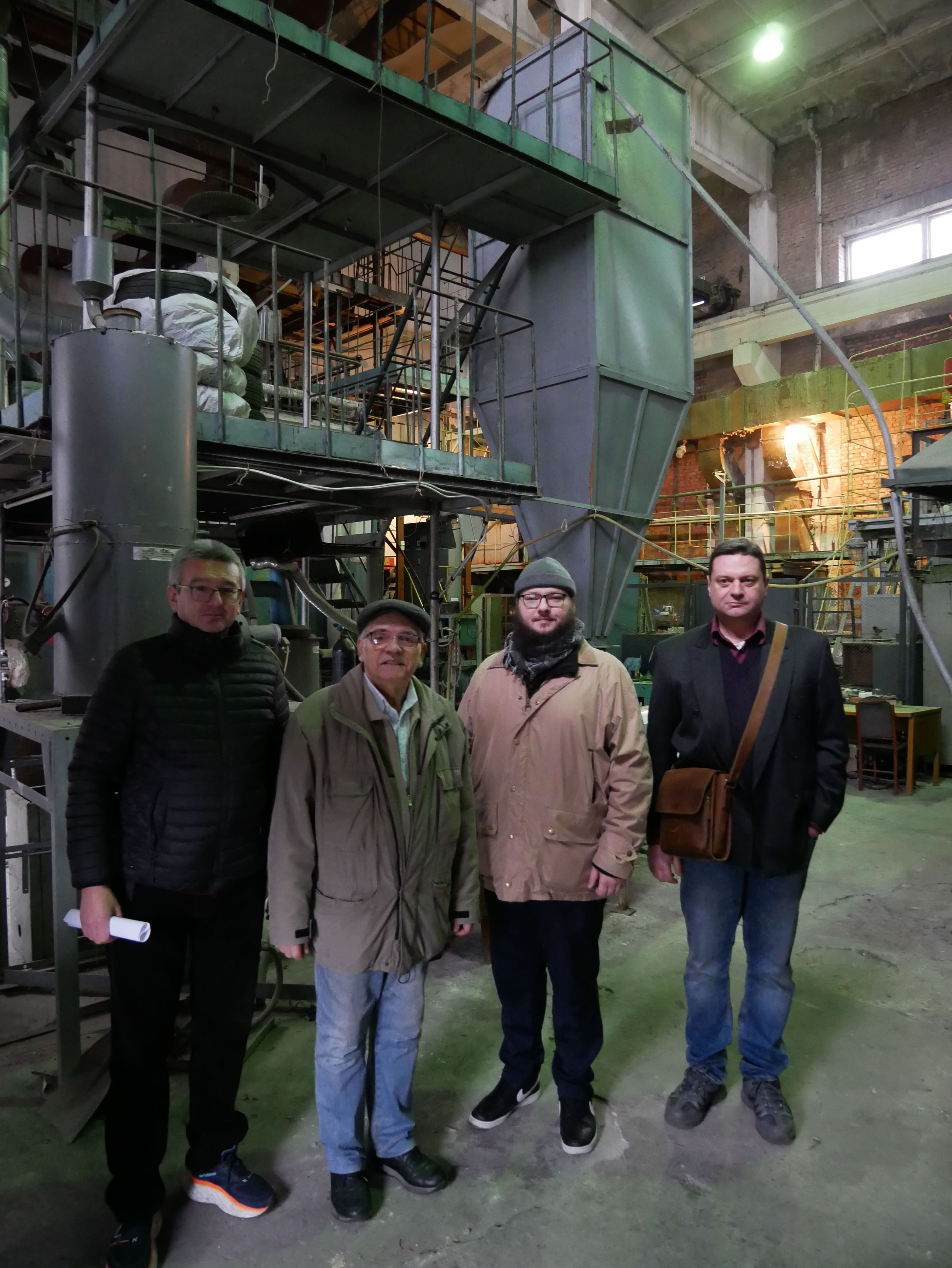
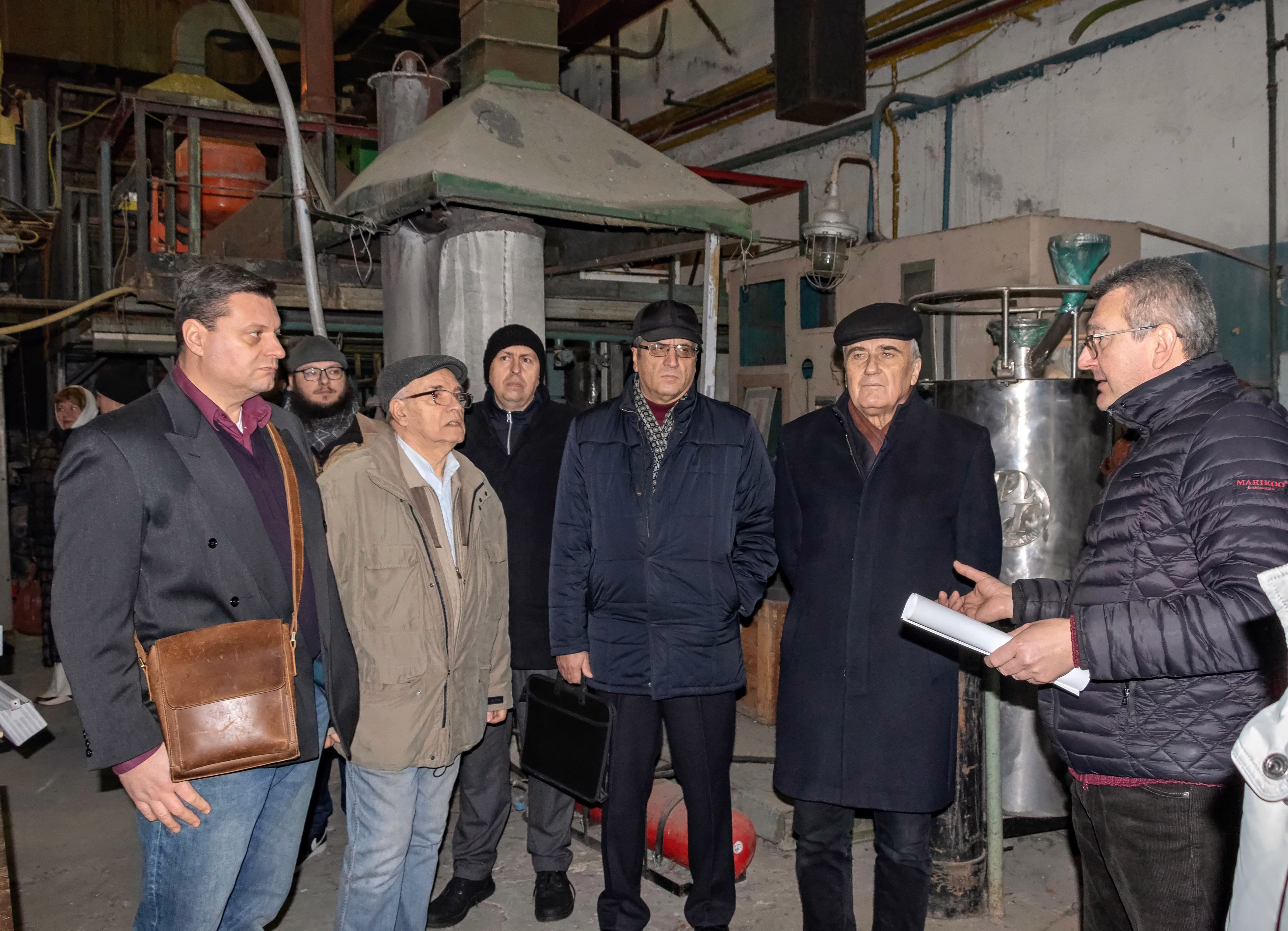
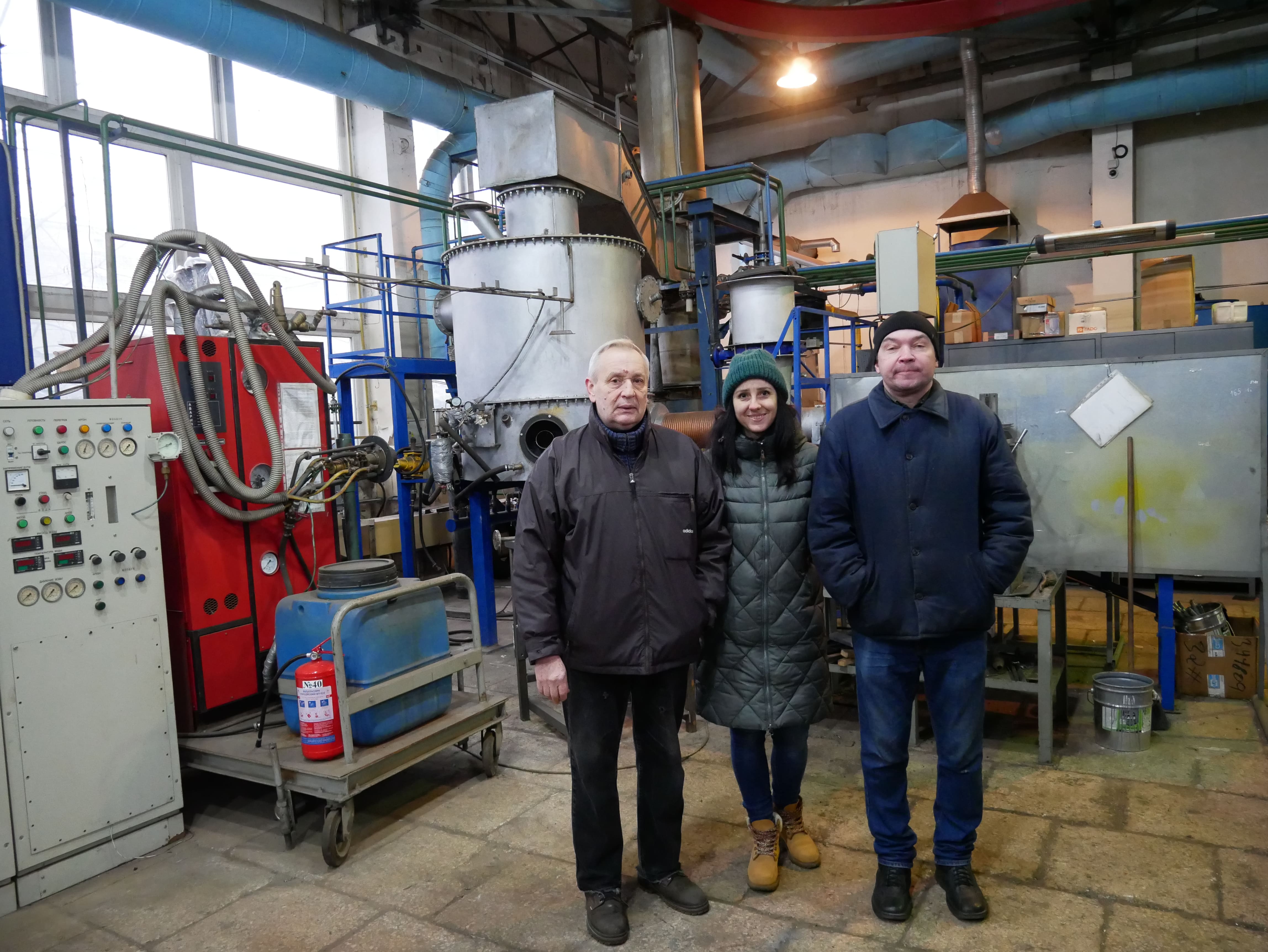
The continuous operation unit with an electrothermal pseudo-fluidized bed for deep refining of natural graphite was also demonstrated, which is planned to be used as an anode material for lithium-ion batteries in EU countries. The technical capabilities of the unit ensure achieving the technologically necessary purity of graphite.
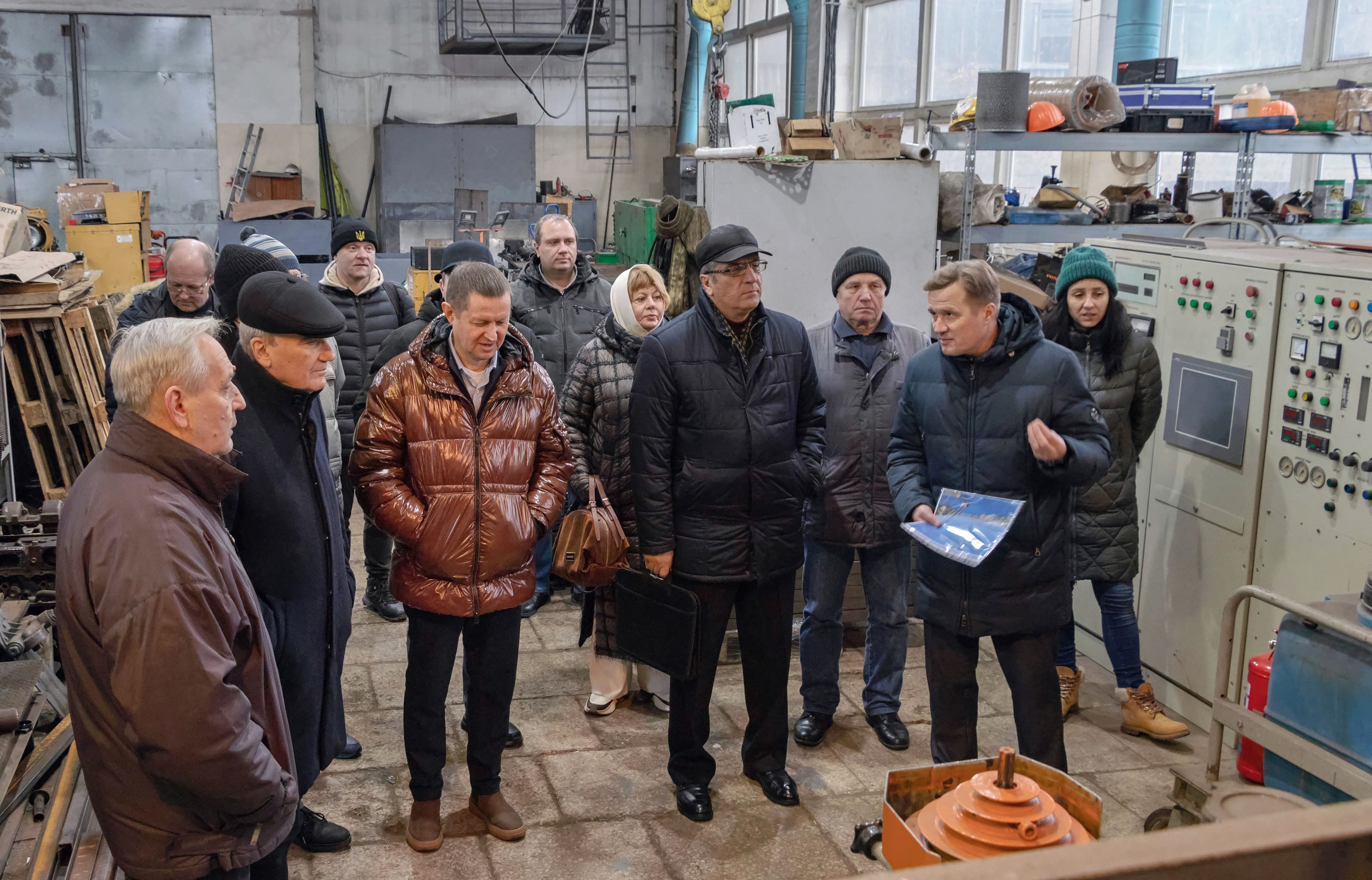
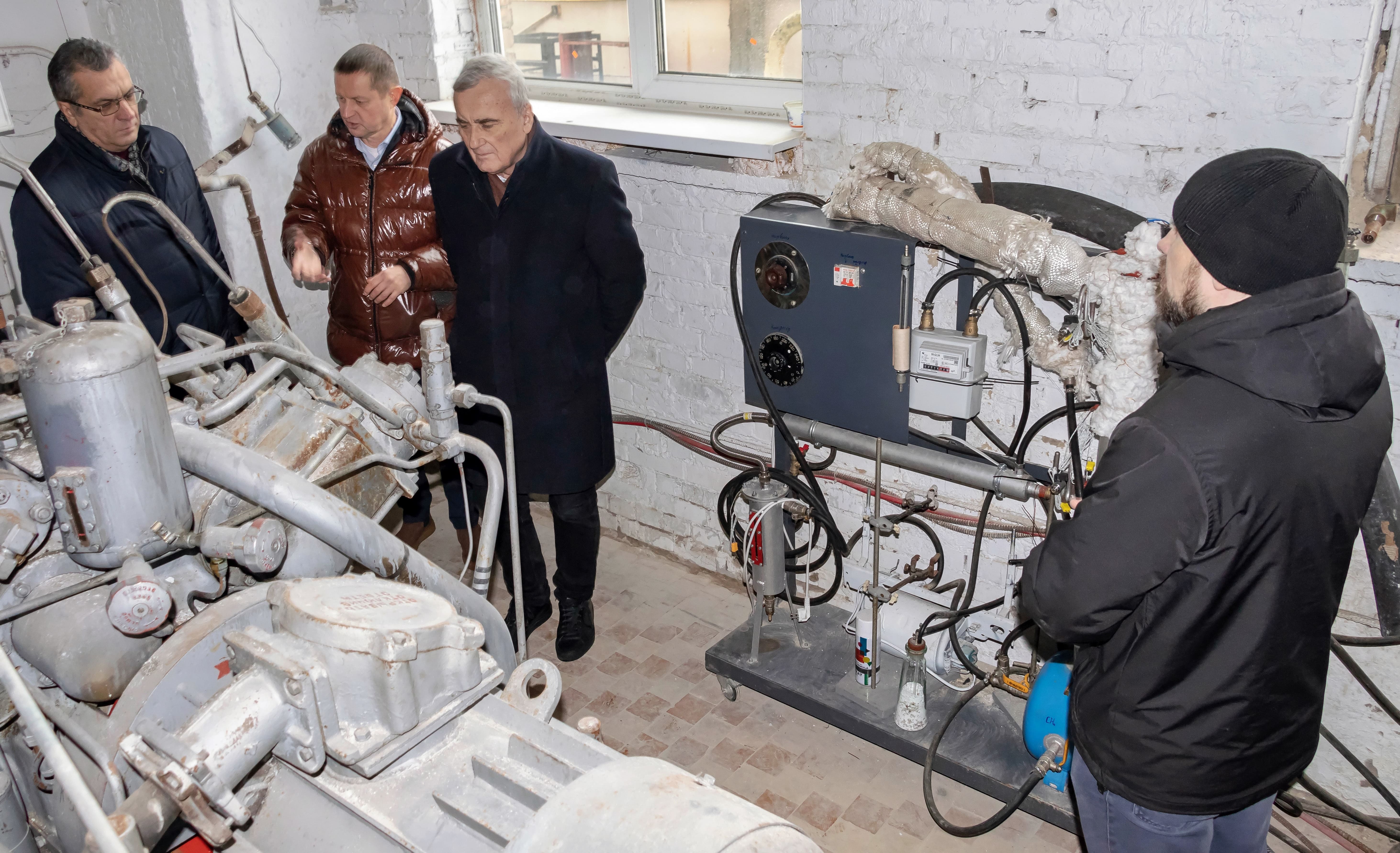
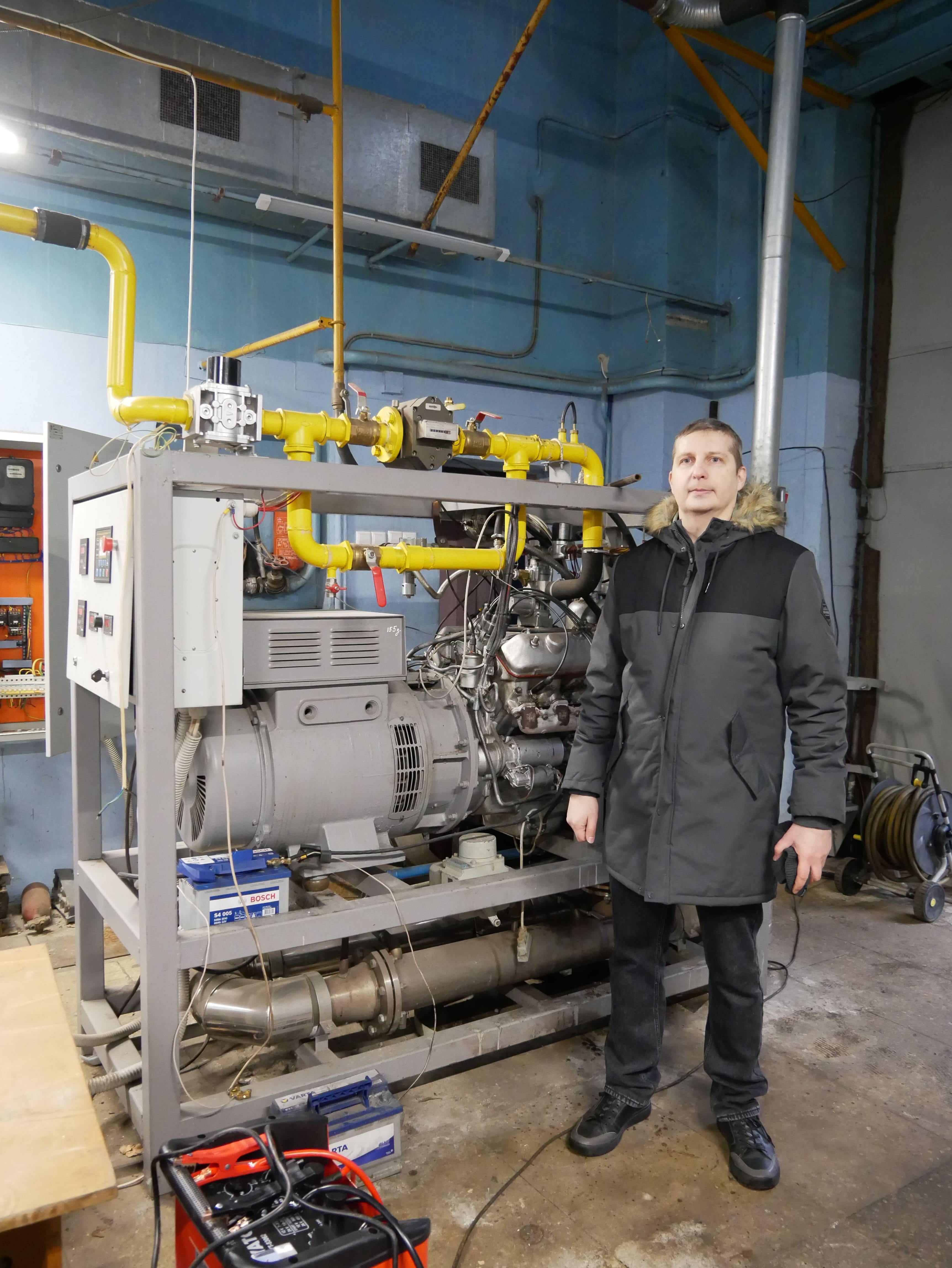
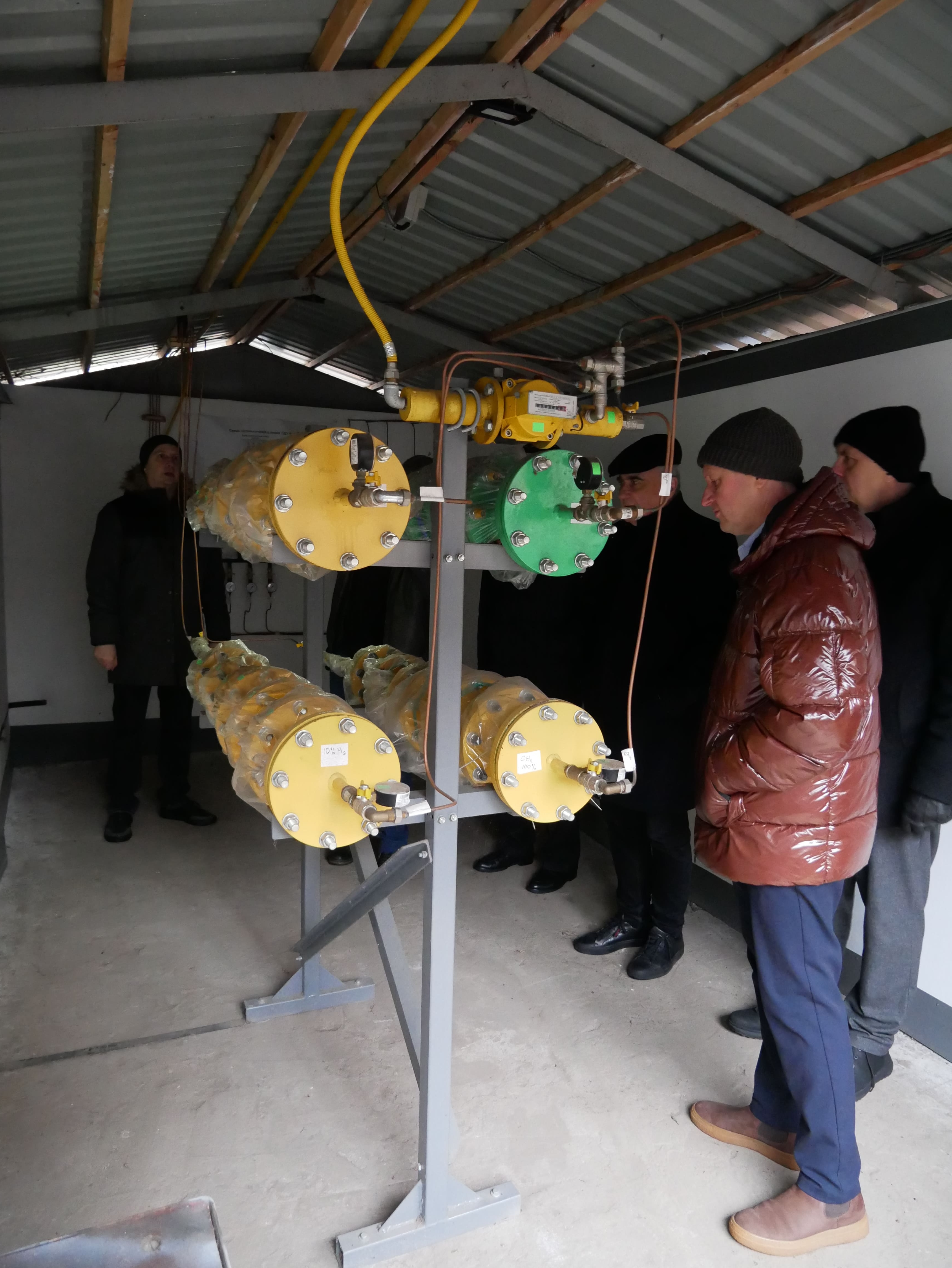
The Academy's leadership was presented with a laboratory complex for studying the effects of gaseous hydrogen mixtures on metal and polyethylene pipes, flange seals, and other elements of gas supply systems, as well as the results of comprehensive strength and thermophysical tests. In addition, a laboratory-pilot installation for obtaining synthesis gas from technogenic and natural waste and subsequent synthesis of motor fuels was demonstrated, along with pilot stands for studying the processes of fuel gas liquefaction, carbon dioxide methanation, and the use of alternative gaseous fuels in internal combustion engines.
During the concluding discussion, the participants of the meeting discussed directions for the further development of the Institute, including modernization of the experimental base, strengthening the applied component of research, expanding international cooperation, and supporting young scientists. The leadership of the National Academy of Sciences of Ukraine noted that the Gas Institute is a unique institution where fundamental and applied research are combined, and the practical focus of the work allows creating high-tech developments important for key sectors of the economy, energy, industry, and state security.
According to the Department of Energy and Energy Technologies of the NAS of Ukraine